

-
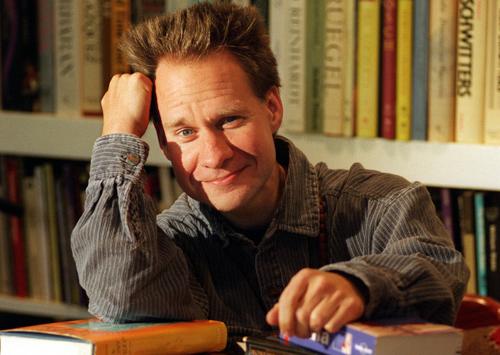
Peter Sellars discusses his production of "The Merchant of Venice"
Sep. 14, 1994 Peter Sellars talks about his production of "The Merchant of Venice." Peter Sellars also compares Los Angeles California to the world of "The Merchant of Venice". Sellars also discusses the history of the Jewish people, immigrants, the ghetto, and race relations.
-
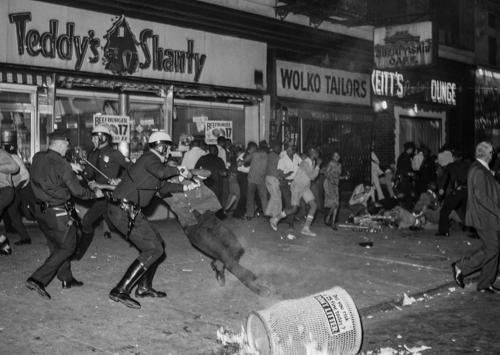
Paul Chevigny discusses his book "Police Power"
According to Paul Chevigny’s book, “Police Power: Police Abuses in New York," disobeying the police is what precipitated violence. Chevigny explained some of the police felt if they had to deal with the undesirables, whether they were criminals or not, anything goes on the street to get these guys and anything goes in court to make a conviction stick.
-

Patrick Murphy discusses the book, "Our Kindly Parent--The State".
Aug. 23, 1974 Studs Terkel discusses the book, "Our Kindly Parent--The State," and interviews the author Patrick Murphy. They discuss the inadequate juvenile justice and reform system extensively. Includes an excerpt from the interview with Lisa Richette, author of "Throw away children."
-
Patricia Bosworth discusses her book “Anything Your Little Heart Desires: A Portrait of an American Family”
Jun. 24, 1997 Author and actor Patricia Bosworth discusses her book “Anything your Little Heart Desires,” which details her upbringing and her father’s life as a lawyer.
-
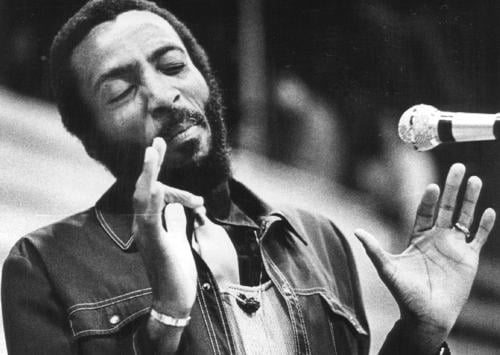
Panel at University of Chicago Law School discuss ending capital punishment, part 3
Feb. 19, 1965 Dick Gregory satirizes capital punishment in the United States, calls for the churches to take action, and talks about potential actions from "demonstrators." Other panel members answer audience questions (Father James Jones, Norval Morris, Hans W. Mattick, and Arthur Wineberg). Hosted by the University of Chicago. (Part 3 of 3)
-
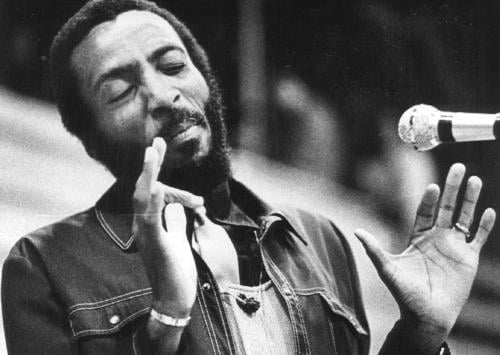
Panel at University of Chicago Law School discuss ending capital punishment, part 2
Feb. 19, 1965 A panel at University of Chicago Law School discuss ending capital punishment (tapes A and B) and with Dick Gregory (tape C). Includes presentations by Father James G. Jones and Norval Morris. (Part 2 of 3)
-
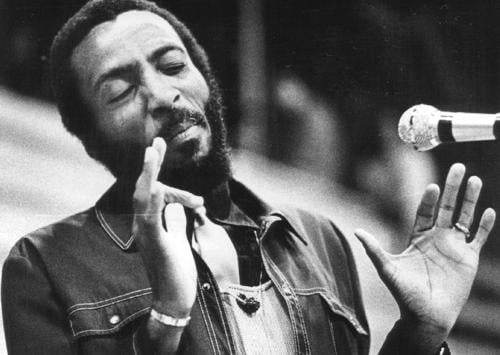
Panel at University of Chicago Law School discuss ending capital punishment, part 1
Feb. 19, 1965 A panel at University of Chicago Law School discuss ending capital punishment (tapes A and B) and with Dick Gregory (tape C). Includes presentations from Hans W. Mattick and Arthur Wineberg. (Part 1 of 3)
-
-

On location in Melun, France at Maison Central Melun prison ; part 2
1962 Madame B. translates for Studs as he speaks with two inmates. Both inmates work in the prison one as a cook and the other as a librarian. Studs talks to each of the inmates about their early life, their work in the prison and their rehabilitation. Madame B is interviewed after the visit to the prison, and she speaks about her volunteer work at the prison. Following the interview, there is a postscript in which Madame B. records "notes" for Nelson Algren and Herman and Mrs. Kogan. Once he is on his own, Studs explains that Madame B.
-

On location in Melun, France at Maison Central Melun prison ; part 1
1962 Studs tours the prison and speaks with prison director Jean Blayrat and a lady referred to as Madame B translates. They talk about the crimes of the a few of the prisoners and the rehabilitation programs the prison system uses in France.
-
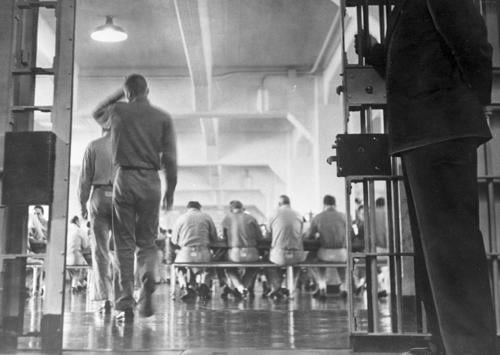
Nelson Algren, Nathan Kantrowitz, and David Maurer discuss language and characteristics of the criminal underworld
Jan. 29, 1967 Nelson Algren, Nathan Kantrowitz, and David Maurer discuss language and criminal subculture, including the development of institutional slang at different prisons, the nature of drug addiction and its influence on criminal language and vocabulary, and the myth of the criminal mind. Includes an Interview with an inmate at a Chicago prison.
-
Nelson Algren discusses capital punishment
1965 Discussing capital punishment with author Nelson Algren. Includes interviews with William (Bill) Witherspoon, a death row inmate; Jack Johnson, warden of Cook County Jail; and an [unidentified woman] who marched in protest at the execution of James Dukes in 1962.
-
Murray Kempton talks with Studs Terkel
Sep. 13, 1973 Murray Kempton discusses race relation in the United State of America and the Black Panther Trial in New York. Murray also discusses his book, originally published as, "The Briar Patch: The People of New York versus Lumumba Shakur, et al." This book was reprinted as "The Briar Patch: The Trial of the Panther 21" in 1997.
-
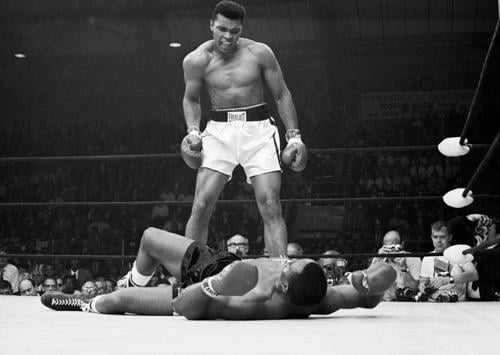
Muhammad Ali discusses his book "The Greatest: My Own Story"
Nov. 26, 1975 Content Warning: This conversation includes racially and/or culturally derogatory language and/or negative depictions of Black and Indigenous people of color, women, and LGBTQI+ individuals. Rather than remove this content, we present it in the context of twentieth-century social history to acknowledge and learn from its impact and to inspire awareness and discussion. Muhammad Ali discusses his book "The Greatest: My Own Story," touching on topics including his childhood and family, conversion to Islam, stance on the Vietnam War, and experiences in jail.
-
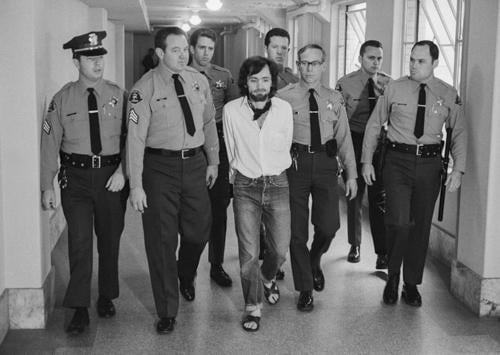
Mr Bugliosi and Mr. Gentry discuss, "Helter Skelter: The True Story of the Manson Murders"
Nov. 6, 1974 Mr Bugliosi and Mr. Gentry discuss, "Helter Skelter: The True Story of the Manson Murders,". Bugliosi was the prosecutor in the case against the Manson "family" for the murders of Sharon Tate and others. The interview opens with "Home is where you are happy" performed by Charles Manson and an excerpt of Catherine Shur Manson's sister talking about her brother. They speak in depth on the Manson "family" and the key players in the murders; Susan Atkins, Steve Grogan, Linda Kasabian, Patricia Krenwinkel, Leslie Van Houten and Charles Watson.