Listen to New Voices on Studs Terkel our partnership with 826CHI-here! Read the Story


Showing 136 - 150 of 777 results
-

Robert Bendiner discusses his book "Just Around the Corner" ; part 1
Aug. 23, 1967 Although he was not a historian, Robert Bendiner said he believed he could provide accounts of events through a journalist's eyes with his book "Just Around the Corner: A Highly Selective History of the Thirties". It was a depressing time, recalls Bendiner, a time he hopes no one has to experience again. Businesses needed people to buy goods but there wasn't enough money for people to buy food let alone goods and materials. Bendiner recalls Riverside Drive was once affluent and picturesque. The view then turned to one full of Hooverville shacks.
-
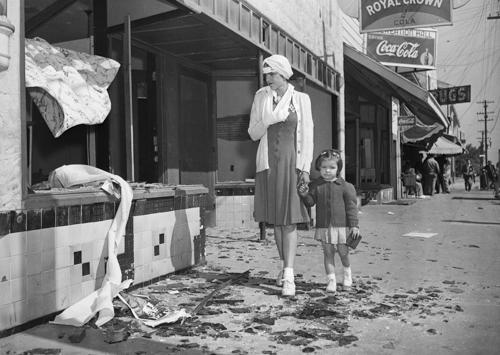
Robert Allen discusses his book "The Port Chicago Mutiny"
May. 12, 1989 On July 17, 1944, there was a huge explosion at Port Chicago in California. Of the 320 men on duty at the pier that died, 202 of them were Black. Robert Allen's book, "The Port Chicago Mutiny: The Story of the Largest Mass Mutiny Trial in U.S. Naval History," covers the story of poor working conditions, the explosion, work stoppage, the trial and the outcome. There is an excerpt of Joe Small, recalling what happened, when he was a sailor present there.
-
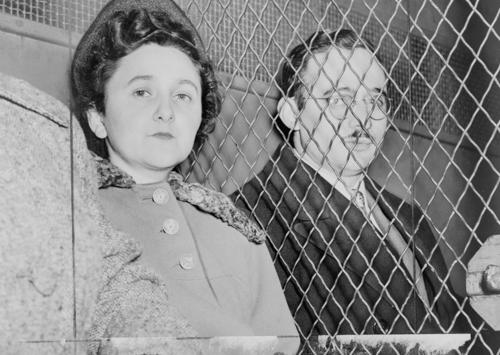
Rob Okun, Richard Fried, and Peter Novick discuss the exhibit “Unknown Secrets: Art and the Rosenberg Era”
Jun. 15, 1990 Historians and exhibit organizers Rob Okun, Richard Fried, and Peter Novick discuss the Spertus Museum’s exhibit “Unknown Secrets: Art and the Rosenberg Era.” Julius and Ethel Rosenberg were both convicted and executed in 1953 for participating in spy activity for the Soviet Union. Okun, Fried, and Novick discuss the Rosenberg case and the subsequent response from the public after the execution, many of whom felt the Rosenbergs were wrongfully convicted. The art in this exhibit captures the passion surrounding this case.
-
Richard Reeves his book "A Ford, not a Lincoln"
Oct. 30, 1975 Richard Reeves his book "A Ford, not a Lincoln," about Gerald Ford and the politics of the 1970s. He also discusses journalism and White House reporting.
-
Richard Pollak, editor, writer and investigative journalist, talks with Studs about his life and work.
Jun. 17, 1975 Mr. Pollak editor of "[More]" an investigative journalism magazine and author of "Stop the Presses, I Want To Get Off!", talks with Studs about his life and work. Both Studs and Mr Pollak read excerpts from the book.
-
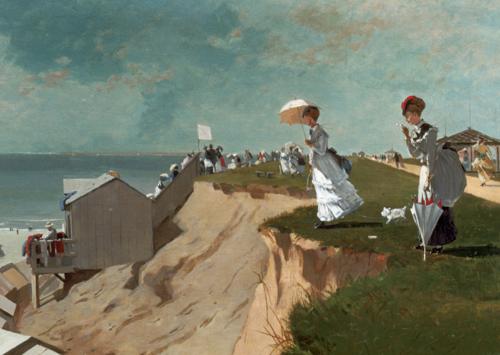
Richard McLanathan discusses his book "The American Tradition in the Arts"
1969 Richard McLanathan discusses his book "The American Tradition in the Arts" and takes Studs on a sprawling journey through artistic breakthroughs in architecture, painting, literature, and more while touching on dozens of artists and their works.
-
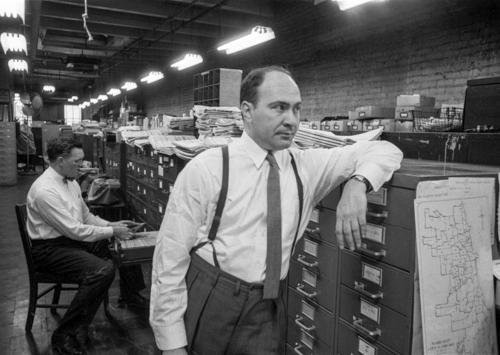
Richard Lewis discusses nuclear energy and the politics and dangers surrounding it
1970 Richard Lewis discusses nuclear energy, the Joint Committee on Atomic Energy, pollution, and his book "Nuclear Power Rebellion".
-
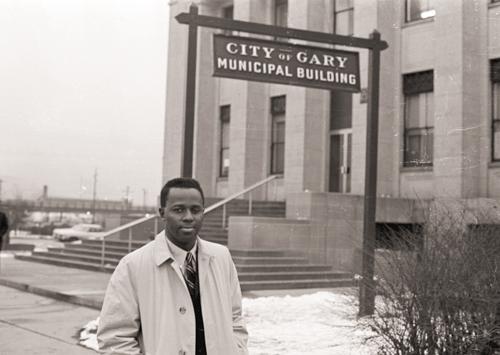
Richard G. Hatcher and Alexander Poinsett discuss Gary, Indiana, their book "Black Power: Gary Style," and politics
Jan. 18, 1971 Richard G. Hatcher and Alexander Poinsett discuss Gary, Indiana, their book "Black Power: Gary Style," politics, and race relations. They discuss the corruption in Gary, Indiana and Gary politics. Includes Richard G. Hatcher reading his old speech from his book "Black Power: Gary Style."
-
Richard Dudman discusses Cambodia and his book “Forty Days with the Enemy”
May. 21, 1971 Reporter and author Richard Dudman discusses and reads from his book “Forty Days with the Enemy”, a book recounting his experience being held captive by the Viet Cong during the Vietnam War. Dudman also discusses Michael Morrow and Elizabeth Pond who were held captive with him.*Please note: some sections have been edited out from the original recording due to copyright considerations
-
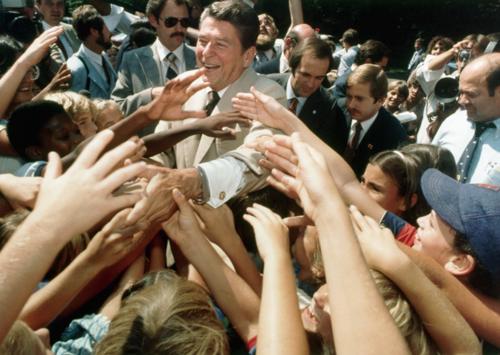
Richard Barnet discusses his book "The Rockets' Red Glare"
Feb. 20, 1990 According to Richard Barnet's book, "The Rockets' Red Glare: When America Goes to War: The Presidents and the People," most people kept to themselves and didn't talk to one another about anything. Barnet talks about how the government would use propaganda to get people interested and thus backing the government with going to war.
-
Riane Eisler discusses her book, "Sacred Pleasure: Sex, Myth, and the Politics of the Body"
Jun. 26, 1995 Interviewing Riane Eisler, historian, sociologist, and author of the book, "Sacred Pleasure: Sex, Myth, and the Politics of the Body." Eisler discusses masculine and feminine stereotypes and the part they play in relationships. Content Warning: This conversation has the presence of outdated, biased, offensive language. Rather than remove this content, we present it in the context of twentieth-century social history to acknowledge and learn from its impact and to inspire awareness and discussion.
-
Riane Eisler discusses her book "The Chalice and the Blade: Our History, Our Future"
Mar. 3, 1988 Riane Eisler, anthropologist and historian, discusses the history of gender roles, religious influences, and cultural mythology.
-
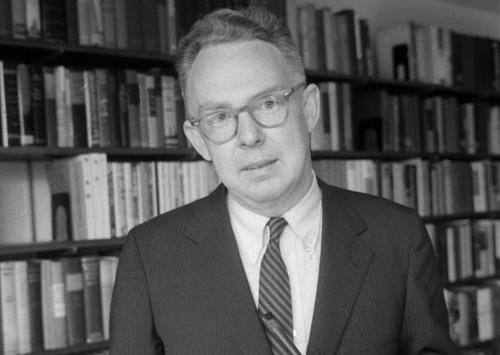
Rev. W. Alvin Pitcher and Dr. Richard Wade discuss race relations, civil rights, and socio-economic differences
Aug. 23, 1965 Reverend W. Alvin Pitcher and Dr. Richard Wade discuss how violence and civil disobedience intertwine with civil rights, economic differences, and the importance of education.
-
Reporter and author John L. Spivak talks with Studs Terkel ; part 1
1967 Studs and Spivak talk all things labor: unions, strikes, and spies. Spivak's work reporting on Fascism and Socialism is also discussed.
-
Renny Golden, Michael McConnell and Peggy Hutchison discuss the book "Sanctuary"
Jun. 16, 1986 Eye witness testimonies of rape, torture, abductions and murder are all included in "Sanctuary: The New Underground Railroad". Renny Golden, Michael McConnell and Peggy Hutchison all work with Sanctuary groups because of the hardships brought onto the refugees.