

-
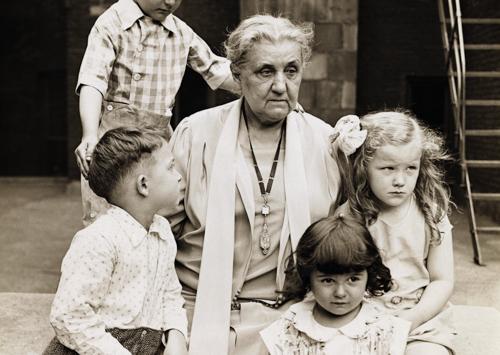
Mary Lynn McCree Bryan talks about her book "Eighty Years at Hull House"
Jan. 13, 1970 Discussing the book, "Eighty Years at Hull House," and interviewing the co-author, Mary Lynn McCree Bryan. Mary Lynn McCree Bryan discusses the Hull House and its founders in Chicago, Illinois. Includes two clips of Florence Scala speaking: one about nature and about a tree that was taken down at Hull House and one about Jane Addams. Includes a clip of Jessie Binford discussing Jane Addams.
-

Mary Lynn Kotz discusses her book "Rauschenberg, Art and Life"
Oct. 29, 1991 In Mary Lynn Kotz's book, "Rauschenberg, Art and Life," Kotz recounts the works and story of 20th century art pioneer Robert Rauschenberg. They survey his career beginning in Port Arthur, TX, discussing his Depression-era upbringing which caused him to reuse and salvage virtually any object and transform it into art, his studies in Paris, made possible by the G.I.
-

Marvin Harris discusses his book "America Now"
Feb. 8, 1982 Discussing the book "America now: The anthropology of a changing culture" with the author-Anthropologist Marvin Harris.
-
Martin Duberman discusses his book "Paul Robeson"
Feb. 28, 1989 Martin Duberman, historian and biographer, discusses his latest work which focuses on the singer, actor, and political activist Paul Robeson. Robeson was known for his performance in Showboat and Emperor Jones.
-
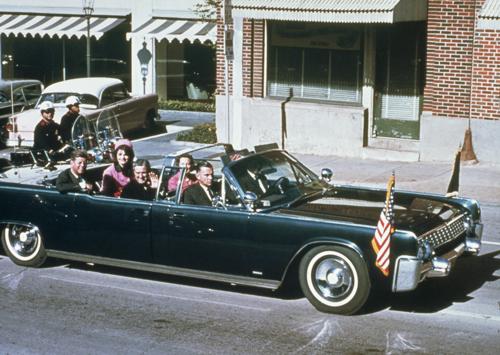
Mark Lane discusses his book "Rush to Judgement"
1968 Studs Terkel and American lawyer Mark Lane dive into Lane’s best-selling book, “Rush to Judgement,” which is a critique of the Warren Commission’s methods and findings, based on Lane’s own investigations and research. He discusses his struggle to publish the book, after several cancelled contracts with publishers, and critical reviews the book received, which he believes are weakly based. This interview includes interviews with three witnesses of JFK’s assassination, collected by Lane during his investigations.
-
Marion Clark and Rudy Maxa discuss their book, "Public Trust, Private Lust: Sex, Power, and Corruption on Capitol Hill"
Jul. 12, 1977 Marion Clark and Rudy Maxa, investigative journalists, discuss their book, "Public Trust, Private Lust: Sex, Power, and Corruption on Capitol Hill." The two recall how Elizabeth Ray contacted them about an affair she was having with U.S. Representative Wayne Hays, who was using taxpayer's money to pay her. The journalists also discuss Koreagate and other corruptions going on in Washington D.C. in the 1970s.
-
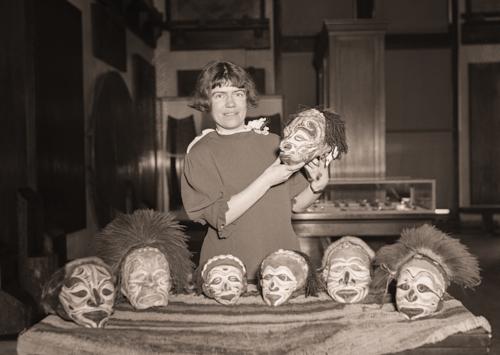
Margaret Mead discusses different cultures, anthropology, and society
1965 Margaret Mead discusses different cultures, anthropology, and society. Margaret Mead discusses topics such as immigrants, American society, poverty, and population explosion.
-
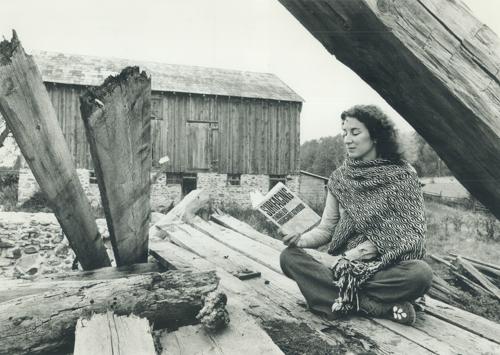
Margaret Atwood discusses her poetry and her novel, "Surfacing"
Jan. 28, 1976 Canadian poet and novelist Margaret Atwood discusses her poetry and her first novel, “Surfacing,” focusing on the novel’s symbolism and the themes of nature, religion and memory. She compares life, attitudes, and politics in Canada with those of the United States.
-
Marcel Ophuls discusses his documentary films
Apr. 30, 1984 Discussing the showing of his films with film maker Marcel Ophuls.
-
Marc Pachter discusses his book "Abroad in America"
Jul. 21, 1976 Europeans' opinions about their visits to America - this is the premise of Marc Pachter's book, "Abroad in America: Visitors to the New Nation, 1776-1914." According to Pachter, some people thought America was a moral society but that our manners were dreadful. Charles Dickens liked Boston but thought there were no rules in American society. He also despised the adulation that he received when he first visited.*Please note: some sections have been edited out from the original recording due to copyright considerations
-
-
-
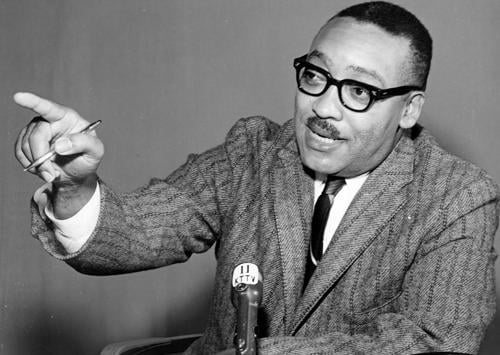
Louis Lomax discusses the book "Thailand: The War That Is, The War That Will Be"
1967 Discussing Thailand and interviewing journalist Louis Lomax. Includes passage from book.
-
Lillian Smith discusses reactions to her books and writings
Lillian Smith explores the responses she received from her books that address racial prejudice and discrimination, especially in the south.
-
Lillian Shirley discusses North Vietnam
Apr. 4, 1973 Discussing her reflections of what she saw in North Vietnam, including the bombed hospital, Bach Mai, with former nun Lillian Shirley. An elderly woman told Shirley that she didn't blame the American people for the bombings. Despite seeing 18 of 20 buildings of the Bach Mai Medical Center totally destroyed, Shirley said she found the Vietnamese people to be most cordial and happy.