

-

Nelson Algren discusses capital punishment
1965 Discussing capital punishment with author Nelson Algren. Includes interviews with William (Bill) Witherspoon, a death row inmate; Jack Johnson, warden of Cook County Jail; and an [unidentified woman] who marched in protest at the execution of James Dukes in 1962.
-
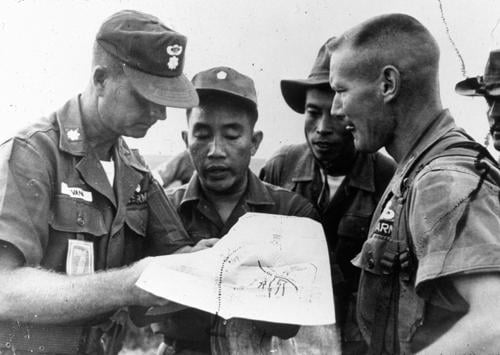
Neil Sheehan discusses his book "A Bright Shining Lie"
Nov. 1, 1988 With his book, "A Bright Shining Lie: John Paul Vann and America in Vietnam", Neil Sheehan wanted to tell what happened in Vietnam and why it happened through telling the story of Lt. Colonel John Paul Vann. Sheehan said Vann had a keen sense of reality. Vann knew if they didn't change the Saigon government into something decent that would appeal to its own people, they'd never succeed at anything other than getting American soldiers killed for nothing. Although readers will find painful experiences in the book, Sheehan explained that his book is not an anti-war book.
-
Neil and Susan Sheehan discuss their respective books “A Bright Shining Lie: John Paul Vann and America in Vietnam" and "Is There No Place on Earth for Me?"
Apr. 11, 1990 Studs Terkel speaks with journalists Neil and Susan Sheehan about their respective books “A Bright Shining Lie: John Paul Vann and America in Vietnam” and “Is There No Place on Earth for Me?” Further discussion is had about journalism and Neil and Susan’s collaborations together. Audio clips of when Neil Sheehan and Susan Sheehan were previously on Terkel’s program are played.
-
Neil and Susan Sheehan discuss journalism
Jun. 9, 1972 Studs Terkel talks with journalists Neil and Susan Sheehan about objective and responsible journalism, as well as what can influence a news story. A sound bite of photographer Jerome Zerbe is played where Zerbe discusses taking photos of the upper class during the Great Depression. Another sound bite is played of a man named Joe Begley discussing how laws created during the Great Depression should have met the needs of the people better.
-
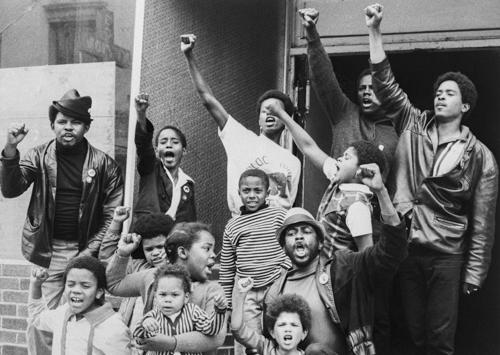
Nathan Wright discusses Black power ; part 2
1967 Discussing the book "Black Power and Urban Unrest" and interviewing the author Nathan Wright.
-
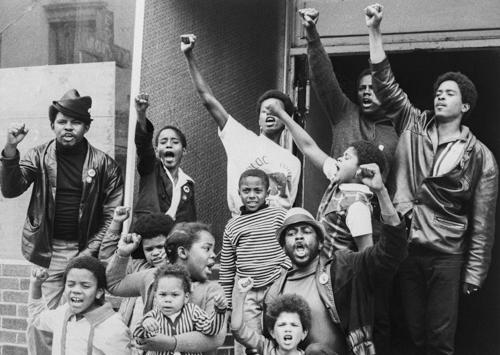
Nathan Wright discusses Black power ; part 1
1967 Author and scholar Nathan Wright discusses black power and identity and his book, “Black Power and Urban Unrest.” Wright talks about the importance of identity in the Black community; leadership; violence and poverty in urban Black communities; the importance of higher education for Blacks; and the nature of power and how its creative use can bring about social change.
-
Nat Hentoff in conversation with Studs Terkel
Oct. 31, 1992 Discussing the book "Free Speech For Me--But Not For Thee: How the American Left and Right Relentlessly Censor Each Other," (published by HarperCollins) with the author Nat Hentoff.
-
My (Pseudonym) discusses the book "Observations from a Treadmill"
Oct. 4, 1973 Discussing the book "Observations from a Treadmill" and interviewing the author My (pseudonym).
-
Muriel Gardiner discusses her books "Code Name Mary" and "The Deadly Innocents"
Nov. 26, 1984 Muriel Gardiner's background and her time spent in Austria are the topics of "Code Name 'Mary': Memoirs of an American Woman in the Austrian Underground". With her book, "The Deadly Innocents: Portraits of Children Who Kill," Gardiner studies the lives of 10 kids who kill or attempt to kill.
-
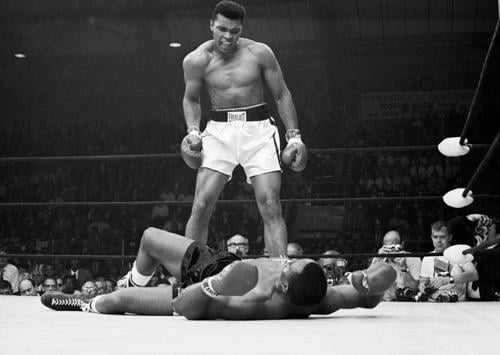
Muhammad Ali discusses his book "The Greatest: My Own Story"
Nov. 26, 1975 Content Warning: This conversation includes racially and/or culturally derogatory language and/or negative depictions of Black and Indigenous people of color, women, and LGBTQI+ individuals. Rather than remove this content, we present it in the context of twentieth-century social history to acknowledge and learn from its impact and to inspire awareness and discussion. Muhammad Ali discusses his book "The Greatest: My Own Story," touching on topics including his childhood and family, conversion to Islam, stance on the Vietnam War, and experiences in jail.
-
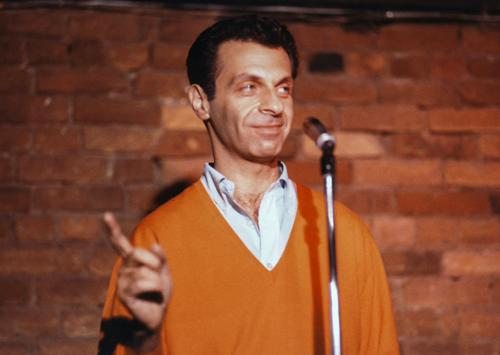
Mort Sahl discusses his career in comedy and paranoia in politics
Aug. 11, 1983 Humorist and commentator Mort Sahl talks with Studs Terkel on the roof of Sahl’s Chicago hotel. The two briefly discuss Lenny Bruce’s legacy, but Sahl is quick to discuss a topic he brings up frequently in this interview: American’s criticism of “paranoia” and the U.S. government’s power to persuade. Sahl criticizes his young audiences for being uneducated and discuss the United State’s involvement in the Vietnam War. He also speaks briefly on liberals in Chicago, calling them weak for supporting Daley.
-
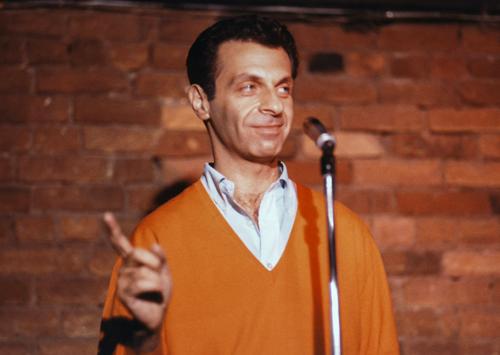
Mort Sahl discusses comedy, social satire, politics, and humorists
Feb. 17, 1960 Mort Sahl the comedian discusses comedy, social satire, and humorists. He discusses the difference between sick humor and social commentary. He discusses politics in America. Includes a speech by humorist Will Rogers towards the end of the program.
-
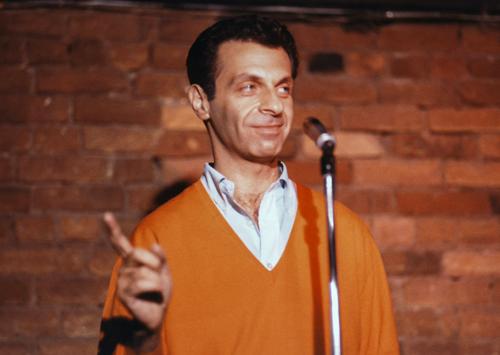
Mort Sahl discusses comedy, social satire, and politics
Mort Sahl discusses comedy, social satire, and politics. Sahl discusses the topics of Communism, Fascism, the Kennedy assassination, and show business.
-
Mildred Loomis discusses the green revolution and the back to the land movement ; part 2
Mar. 6, 1968 Discussing the green revolution and the "modern homestead" and interviewing Mildred Loomis. Mildred Loomis discusses the back to the land movement.
-
Mildred Loomis discusses the green revolution and the back to the land movement ; part 1
Mar. 6, 1968 Discussing the green revolution and the "modern homestead" and interviewing Mildred Loomis. Mildred Loomis discusses the back to the land movement.