

-
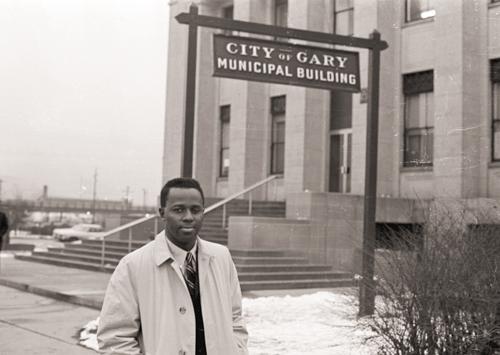
Richard G. Hatcher and Alexander Poinsett discuss Gary, Indiana, their book "Black Power: Gary Style," and politics
Jan. 18, 1971 Richard G. Hatcher and Alexander Poinsett discuss Gary, Indiana, their book "Black Power: Gary Style," politics, and race relations. They discuss the corruption in Gary, Indiana and Gary politics. Includes Richard G. Hatcher reading his old speech from his book "Black Power: Gary Style."
-
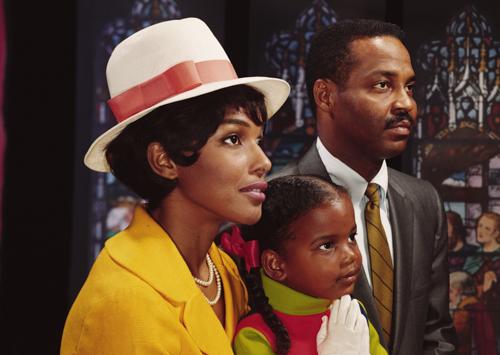
Reverend Albert B. Cleage, Jr. discusses his book "the Black Messiah"
1967 Discussing the book "the Black Messiah" with the author Reverend Albert B. Cleage, Jr. He discusses the African American church and theology. He also discusses broader topics such as civil rights and African American history. Includes a clip of an interview with a woman named Mrs. Alexander at the beginning. Includes a clip of the song "Beulah Land" sung by the Georgia Sea Island Singers.
-
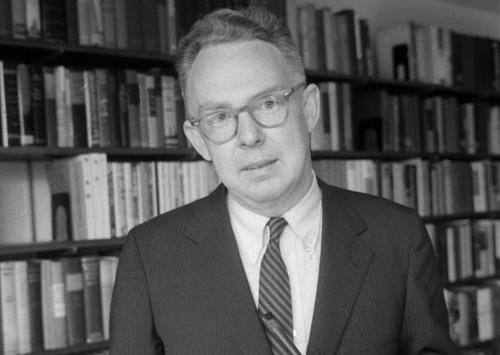
Rev. W. Alvin Pitcher and Dr. Richard Wade discuss race relations, civil rights, and socio-economic differences
Aug. 23, 1965 Reverend W. Alvin Pitcher and Dr. Richard Wade discuss how violence and civil disobedience intertwine with civil rights, economic differences, and the importance of education.
-

Renault Robinson discusses public housing, crime, and Chicago police
Jun. 20, 1979 Renault Robinson, founder of the Afro-American Police League in Chicago and Chicago Housing Authority board member, discusses police programs in public housing projects. He discusses how public housing breeds crime because families are struggling and the building conditions are terrible, and how a new police program can help fix problems.
-
Renault Robinson and Robert McClory, author of "The Man Who Beat Clout City" discuss the the Chicago Police Department and race relations
Jul. 24, 1978 Renault Robinson, founder of the African American Patrolman's League in Chicago, and Robert McClory, journalist and author of a biography of Robinson, "The Man Who Beat Clout City," discuss Robinson's life and court case, Robinson v. Chicago Police Department. Robinson recalls how he was seen as a model policeman until he created the Afro-American Police League, when the Police Department started treating him differently.
-
-
-
-
Reading Richard Wright's "The man who lived underground" with Michel Fabre ; part 1
1964 Terkel comments and reads from The Man Who Lived Underground
-
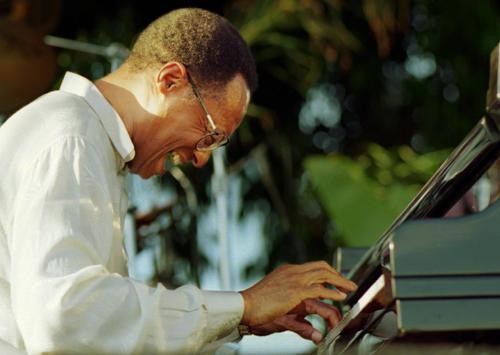
Ramsey Lewis discusses his career
Dec. 22, 1980 Starting at a young age, Ramsey Lewis really loved music and as he got older, he'd practice five or six hours a day. Lewis says he knew nothing about jazz until he met Wallace Burton at the age of 15. Burton hired Lewis on the spot to play in his band. Church music, Spanish music, Duke Ellington and the Beatles, says Lewis, were all great influences to him.
-
Ralph Gleason discusses jazz, jazz artists, and jazz festivals ; part 2
Jul. 31, 1971 In Berkeley, Calif., Ralph Gleason, jazz and pop critic, and founding editor of Rolling Stone, talks with Studs about the history of jazz and jazz artists. They talk in depth about Billie Holiday, white performers who imitated the style of black jazz singers, and jazz festivals. Songs include Holiday's "Them There Eyes" and "God Bless the Child."
-
Ralph Gleason discusses jazz, jazz artists, and jazz festivals ; part 1
Jul. 31, 1971 Studs interviews jazz and pop critic, and founding editor of "Rolling Stone" magazine, Ralph Gleason while in Berkeley, California (3 parts). Topics include the history of jazz, blues, and jazz culture, and how race played in the development and distribution of the music. Songs include Louis Armstrong's "(I'll Be Glad When You're Dead) You Rascal You."
-
Ralph Ellison discusses music
Jun. 18, 1992 The blues and jazz are topics covered by Ralph Ellison. Ellison himself started to play the trumpet at the age of seven. Ellison said for him, when hearing classical music, he then had to go and find classical literature.
-
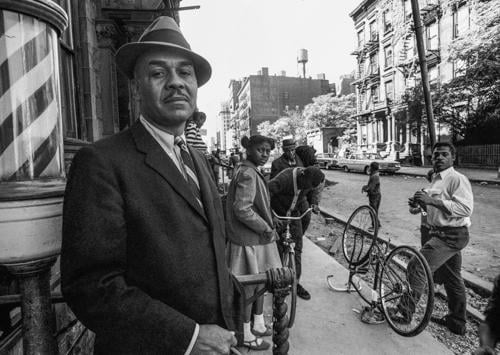
Ralph Ellison American novelist and literary critic discusses his life and writing
1970 Ralph Ellison, winner of the National Book Award for Fiction for his book "Invisible Man," discusses his early life and education and his life as a writer and lifetime scholar. He speaks on being a musician (trumpet), the joy of music and the Church and how they fit into the lives of African Americans.
-
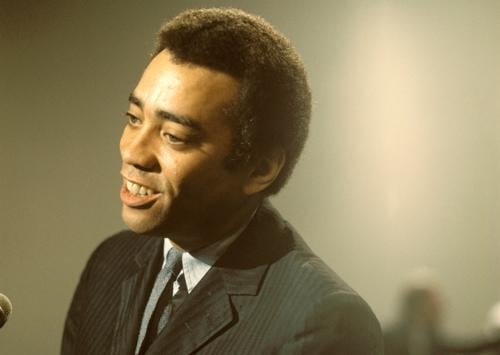
Presenting music with Oscar Brown, Jr
Jun. 6, 1977 Music performance by Oscar Brown, Jr.