Listen to New Voices on Studs Terkel our partnership with 826CHI-here! Read the Story


Showing 61 - 75 of 204 results
-

Jonathan Kozol discusses his book "Savage Inequalities"
Sep. 18, 1991 With his book, "Savage Inequalities: Children in America's Schools," Jonathan Kozol spent time in six different schools and concluded that the school systems are no better off than they were 20 years ago.*Please note: some sections have been edited out from the original recording due to copyright considerations
-
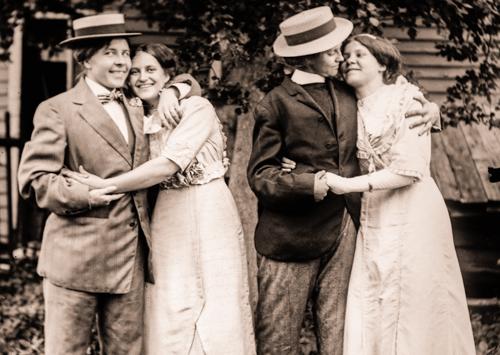
Jonathan Katz discusses his book "Gay American History"
Feb. 4, 1977 Discussing the book, "Gay American History: Lesbians and Gay Men in the U.S.A.: A Documentary," and interviewing its author, Jonathan Katz.
-
John Bernard discusses his life, politics and his work with the Farmer Labor Party
Aug. 1, 1977 Interviewing labor organizer, civil rights activist, and former Congressman John Bernard. Bernard was elected as a Farmer-Labor candidate to the U.S. House of Representatives and served from 1937-1939.
-
John Bailey, Robert Tucker, and Dick W. Simpson discuss housing and transportation ; part 4
Oct. 9, 1974 Dick Simpson's book, "Chicago's Future: An Agenda for Change," is discussed with the author, John Bailey and Robert Tucker, all employees of Chicago universities. The group discusses housing and transportation issues that many working class citizens face. The group discusses possible ways to fix the issues including government help and re-zoning.
-
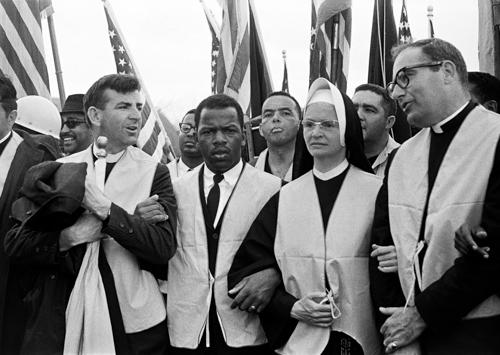
John A. McDermott and Sister Mary Peter discuss Catholic Church's Participation in Civil Rights Movement
Sep. 15, 1965 John A. McDermott and Sister Mary Peters discuss Catholic Church's Participation in Civil Rights Movement. Includes interview with unknown Catholic man opposed to nuns' and priests' involvement. Includes song "It Isn't Nice" by Judy Collins.
-
John (Fire) Lame Deer and Richard Erdoes dicusss their book "Lame Deer, Seeker of Visions"
Sep. 15, 1972 *Please note: some sections have been edited out from the original recording due to copyright considerations
-

Joan Baez performs and speaks with Studs Terkel
Jul. 11, 1967 Joan Baez speaks with Studs Terkel about role of music and the responsibility of musicians in the specific historical moment of the late '60's.
-
Jo Freeman, Mary Jean Collins-Robson, and Naomi Weisstein discuss women's rights and liberation ; part 2
Mar. 25, 1970 Jo Freeman, Mary Jean Collins-Robson, and Naomi Weisstein discuss women's rights and the struggle for equal rights and liberation, resistance through art, and the fight for free childcare. Discussion continues with criticism on the male gaze and females as sexual objects.
-
Jo Freeman, Mary Jean Collins-Robson, and Naomi Weisstein discuss women's rights and liberation ; part 1
Mar. 25, 1970 Jo Freeman, Mary Jean Collins-Robson, and Naomi Weisstein discuss women's rights and the struggle for equal rights and liberation, Title VII, their support for NOW, the National Organization of Women, as well as the upcoming Women's Strike for Equality.
-
Jimmy discusses work ethic and dreams; Carolyn and May Rose discuss daily life, and worries; part 2
1968 Jimmy discusses work ethic and pride. High school students Carolyn and May Rose describe a typical day, future plans and worries. All talk about what the world would look like if they were God. Part 2
-
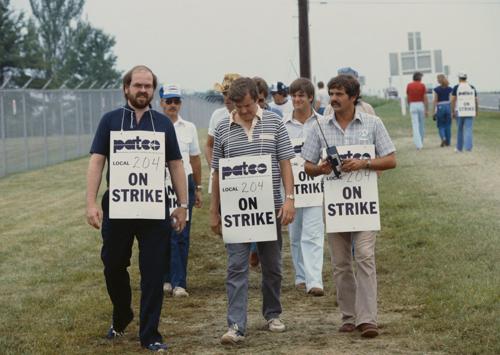
Jim Paulei of PATCO discusses the air traffic controller's strike and describes a day on the job
Oct. 5, 1981 Mr. Paulei talks with Studs about the air traffic controllers strike in 1980 and subsequent firing of over 1000 air traffic controllers. They discuss what a normal shift as an air traffic controller consists of, and the unions reasons for the strike in 1980.
-
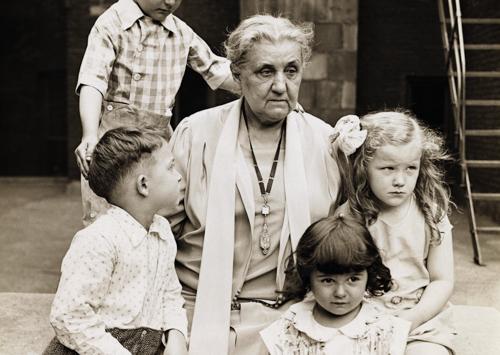
Jessie F. [Florence] Binford discusses Jane Addams
Jun. 2, 1960 Ms. Binford talks with Studs about Jane Addams' life and her dedication to social service with the women and children of Chicago. Ms.Binford discusses the creation of Hull House and the associated buildings and how deeply in need they were of the help.
-
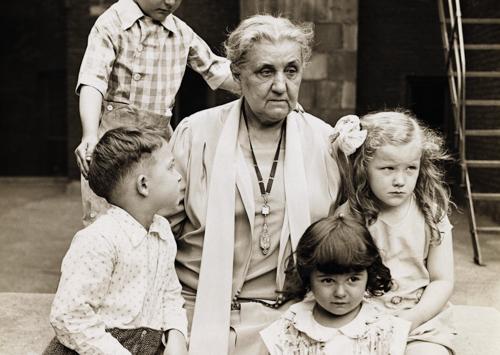
Jessie Binford discusses her life, Jane Addams, and the work they did together
Aug. 1965 Studs interviews Jessie Binford at her home at the Tall Corn Hotel in Marshalltown, Iowa. Ms. Binford reflects on growing up in Marshalltown and going to Hull House Chicago where she met Jane Addams. Ms. Binford talks to Studs about politics and the changes in technology. Includes an excerpt of a previous interview with Florence Scala.(1915178-3-1) Also, excerpts from 1963 interview with Ms. Binford(1851518-3-1, 3-2)
-
Jennifer Davis, Bill Sutherland and Zola Zembe discuss South Africa and apartheid
Feb. 27, 1979 Jennifer Davis, Bill Sutherland, and Zola Zembe discuss the South Africa and their experiences with apartheid. Jennifer Davis grew up in the white middle class society of Johannesburg, whereas Zola Zembe, a native black man who lives in Capetown. They, along with Bill Sutherland, an American who works as a Representative for the American Friends Service Committee, talk about the changes that need to made and how American people and companies can help. An earlier interview of Carl Douglas Fuchs is also played.
-
Janet Stevenson discusses her book "Sisters and Brothers"
Jul. 7, 1968 If her novel's any good, says Janet Stevenson, it's a place where the reader goes inside, living in the skins of both and black and white people, in another era, with their continuous problems. Sarah and Angelina Grimke faced a dilemma that their brother Henry had placed upon the family. If the sisters acknowledged their brother's family, then they would be acknowledging publicly that their brother had become a brut and a sinner by marrying a black woman.