

-

John Bird and Eleanor Bron discuss television and the theatre ; part 2
1962 Eleanor Bron explained that audiences want something new from actors all the time. Bron said she was leery of all the newness because people would get bored. John Bird added that at times, it's difficult to be creative. In the end, they both spoke of their looking around for a two-person show to do together.
-
John Bird and Eleanor Bron discuss television and the theatre ; part 1
1962 Eleanor Bron said television provided its audience with too many facts. Bron also said it’s dreadful to hear about all the misery and tragedy going on in today’s world. In contrast, John Bird said the television offered its audience an opportunity to learn more about world affairs. Switching to the topic of theatre, Bron said she preferred working in the theatre because, as an actor, she has more control over what’s done at every performance. In contrast again, Bird said he did not like acting on the stage.
-
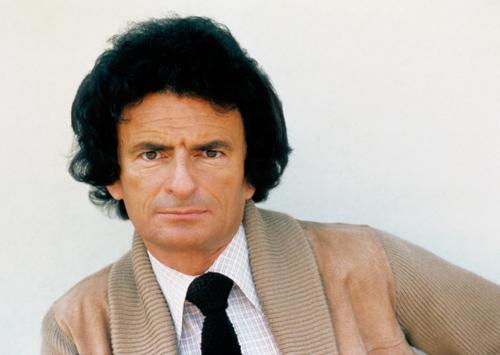
Jerzy Kosinski discusses his book "Being There"
1970 Jerzy Kosinski discusses his book "Being There". Includes Studs Terkel reading from Kosinski's book "Being There".
-
Jeff Kisseloff discusses his book “The Box: An Oral History of Television, 1920-1961”
Dec. 11, 1995 Author and historian Jeff Kisseloff discusses his book “The Box: An Oral History of Television, 1920-1961” and the major changes seen in the television industry. This program includes an excerpt of an interview with Charlie Andrews in which he discusses how the television industry is moving away from spontaneity. Studs plays "The Cuckoo" - Kukla, Fran and Ollie and "Wanderin'" - Win Stracke (1957).
-
-
Interviewing radio and television historian J. Fred MacDonald, and Clarice Durham, widow of Richard Durham, an African American radio scriptwriter
Dec. 16, 1991 Durham created and broadcast radio plays in Chicago from 1948-1950, and his work was chronicled in "Richard Durham's Destination Freedom: Scripts From Radio's Black Legacy, 1948-50."
-
-
-
-
-
-
-
-
-
Interviewing Brunetta Barnett, Clebert Ford, and Helen Martin from the cast of "The Blacks" by Jean Genet
Jul. 22, 1963 *Please note: some sections have been edited out from the original recording due to copyright considerations