

-

St. Clair Drake and Paul Mundy discuss prejudice ; part 1
1965 Discussing the community and prejudice with Dr. St. Clair Drake and Dr. Paul Mundy. Includes an interview with a boy named Tony discussing relations with African American people.Content Warning: This conversation includes racially and/or culturally derogatory language and/or negative depictions of Black and Indigenous people of color, women, and LGBTQI+ individuals. Rather than remove this content, we present it in the context of twentieth-century social history to acknowledge and learn from its impact and to inspire awareness and discussion.
-
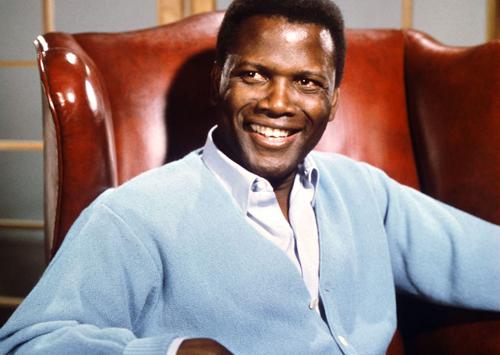
Sidney Poitier discusses his book "This Life"
Jun. 13, 1980 Actor and director Sidney Poitier offers his reflections about his autobiographical memoir, "This Life". Poitier explains how he never had ambitions to be an actor and yet he stumbled into acting when looking through the clasisfied ads. There's a story about his agent trying to settle a negotiation on Poitier's behalf. Poitier's agent told the others involved that Poitier was offered a film in Hollywood. Believing it was a cheap ploy, the agent was told to tell Poitier to go onto Hollywood, and the rest is history for Sidney Poitier.
-
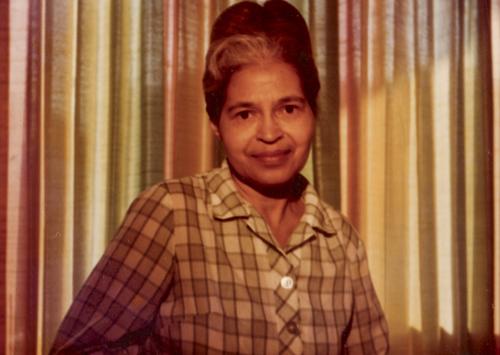
Rosa Parks and Myles Horton discuss the Highlander Folk School, the Montgomery Bus Boycott, and the American Civil Rights Movement
Jun. 8, 1973 Rosa Parks and Myles Horton discuss the importance of the Highlander Folk School, the Montgomery Bus Boycott, and the American Civil Rights Movement. The story of these two prominent figures of the Civil Rights Movement have intervened in their fight for social equality. Includes a fragment of an interview with E. D. Nixon well known civil rights leader.
-
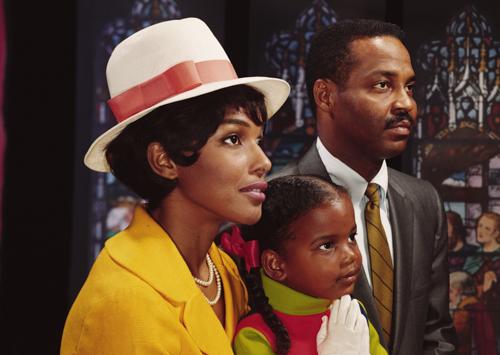
Reverend Albert B. Cleage, Jr. discusses his book "the Black Messiah"
1967 Discussing the book "the Black Messiah" with the author Reverend Albert B. Cleage, Jr. He discusses the African American church and theology. He also discusses broader topics such as civil rights and African American history. Includes a clip of an interview with a woman named Mrs. Alexander at the beginning. Includes a clip of the song "Beulah Land" sung by the Georgia Sea Island Singers.
-
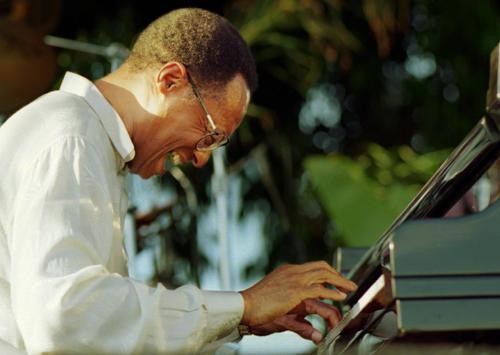
Ramsey Lewis discusses his career
Dec. 22, 1980 Starting at a young age, Ramsey Lewis really loved music and as he got older, he'd practice five or six hours a day. Lewis says he knew nothing about jazz until he met Wallace Burton at the age of 15. Burton hired Lewis on the spot to play in his band. Church music, Spanish music, Duke Ellington and the Beatles, says Lewis, were all great influences to him.
-
-
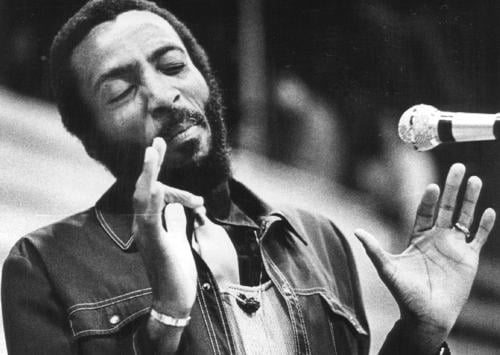
Panel at University of Chicago Law School discuss ending capital punishment, part 3
Feb. 19, 1965 Dick Gregory satirizes capital punishment in the United States, calls for the churches to take action, and talks about potential actions from "demonstrators." Other panel members answer audience questions (Father James Jones, Norval Morris, Hans W. Mattick, and Arthur Wineberg). Hosted by the University of Chicago. (Part 3 of 3)
-
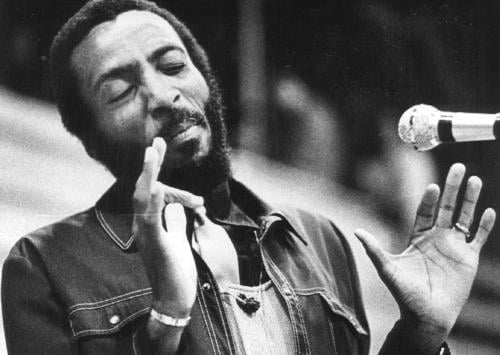
Panel at University of Chicago Law School discuss ending capital punishment, part 2
Feb. 19, 1965 A panel at University of Chicago Law School discuss ending capital punishment (tapes A and B) and with Dick Gregory (tape C). Includes presentations by Father James G. Jones and Norval Morris. (Part 2 of 3)
-
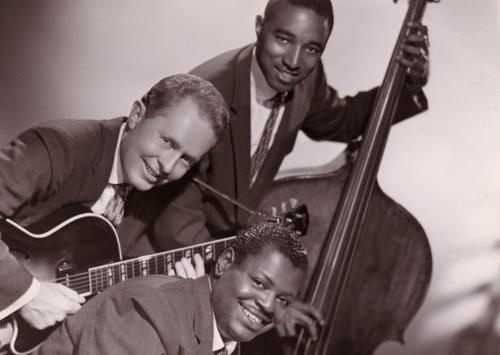
Oscar Peterson plays and discusses jazz
Sep. 8, 1961 Jazz pianist Oscar Peterson sits down with Studs Terkel to discuss historical developments in jazz piano, his own personal development as a pianist, and his experience directing a youth jazz piano school. Includes Peterson playing short excerpts from "Chicago (that toddlin' town)," "Soon," Chopin's Nocturne in E flat Major to demonstrate musical concepts.
-
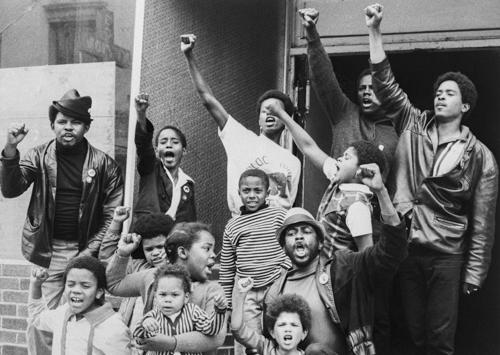
Nathan Wright discusses Black power ; part 2
1967 Discussing the book "Black Power and Urban Unrest" and interviewing the author Nathan Wright.
-
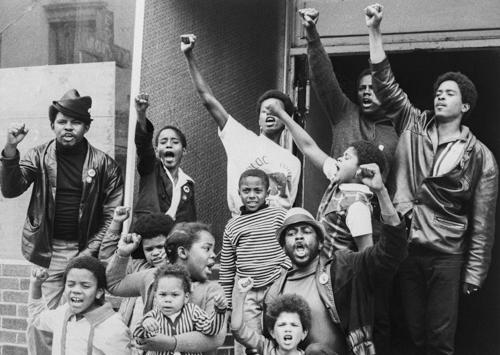
Nathan Wright discusses Black power ; part 1
1967 Author and scholar Nathan Wright discusses black power and identity and his book, “Black Power and Urban Unrest.” Wright talks about the importance of identity in the Black community; leadership; violence and poverty in urban Black communities; the importance of higher education for Blacks; and the nature of power and how its creative use can bring about social change.
-
Maya Angelou discusses her book “Gather Together in My Name”
May. 13, 1974 Writer and poet Maya Angelou talks about her life, Creole influences, and her book “Gather Together in My Name” with Studs Terkel. Angelou reads an excerpt from the book and the recording opens with Angelou reading one of her poems.
-
Maya Angelou discusses her book "I Know Why the Caged Bird Sings"
Mar. 13, 1970 Angelou discusses her book "I Know Why the Caged Bird Sings" and recites "When I Think About Myself." She talks about growing up in Stamps, Arkansas, and her family. Copyrighted material has been removed.
-
Maurice Weddington talks his music career as a renowned composer in Europe
Mar. 24, 1983 Self-taught composer Maurice Weddington talks about his music career from his early years when he was raised on the West Side of Chicago to his performances around Western Europe.
-
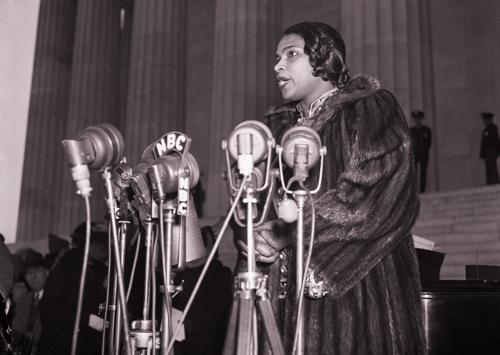
Marian Anderson and James DePreist discuss their experiences in music ; part 1
1966 Marian Anderson recalls singing on stage for the first time at the Metropolitan Opera House in 1957 and how it was the realization of a dream come true. Marion's nephew, James DePreist remembers being able to conduct a piece of music he had never conducted before because his aunt Marion had exposed him to it when he was a child. James said when his aunt Marion sung spirituals, he couldn't help but feel religious and he's an atheist.