Main navigation

  • Home
  • Explore
  • Interact
      • Clips Explore themed playlists of audio clips from the Archive.
      • Reuse Listen to creative reuses of Studs’ interviews.
      • Remix Combine audio from the Archive to create entirely new works.
  • Podcast
  • Classroom
  • Donate
People
Topics
Has Audio or Transcript
Showing 1 - 3 of 3 results
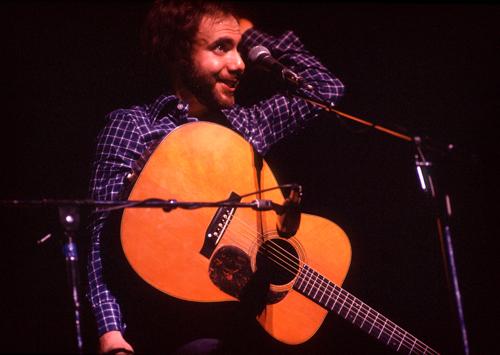
  • Steve Goodman

    Steve Goodman discusses his album "Words We Can Dance To"

    Apr. 30, 1976

    Studs Terkel presents a “musical portrait” of Steve Goodman with the musician joining him in the studio to discuss, listen to, and play songs from his album “Words We Can Dance To.” Goodman begins by performing the blues song “Glory of Love,” and Terkel plays a clip from Big Bill Broonzy’s rendition of the song; Goodman cites Big Bill as one of his many influences. Goodman also plays an old jazz song called “When the Red, Red Robin,” with Terkel connecting that song to his first memories of jazz.

  • Interviewing Stephen Wade, storyteller, folksinger, and clogger

    May. 16, 1979
  • David Amram and Steve Goodman discuss folk music

    Jan. 3, 1976

    David Amram and Steve Goodman, composers and performers of popular music and folk music, discuss writing and creating music together.

Major Support Provided By
The Becca Kopf Memorial Circle of Friends
WFMT Radio Network & Chicago History Museum

This site is being managed by WFMT in partnership with the Chicago History Museum.

Library of Congress

In-kind digitization services of the Studs Terkel Radio Archive are provided by the Library of Congress.

National Endowment for the Humanities

The Studs Terkel Radio Archive has been made possible in part by a major grant from the National Endowment for the Humanities: Exploring the human endeavor.

Studs Terkel Radio Archive

All Programs About The Archive About Studs Supporters Contact

©2026 WFMT Radio Network | Site by Jell Creative

Any views, findings, conclusions, or recommendations expressed in this web resource do not necessarily represent those of the National Endowment for the Humanities.