

-

Isabel Allende reads from and discusses her book "The Stories of Eva Luna"
Mar. 15, 1991 There are 23 stories in Isabel Allende's book, "The Stories of Eva Luna". "Revenge," "Tosca," and "The Judge's Wife" are among the stories discussed. Recalling her upbringing, Allende believed all her stories came from a place of community.
-
Isaac Bashevis Singer talks with Studs Terkel
Nov. 18, 1964 Yiddish author Isaac Bashevis Singer discusses his collection of short stories, "Short Friday," as well as his writing style and spiritual influences.
-
Isaac Bashevis Singer discusses his book "Shosha"
Jul. 19, 1978 Isaac Bashevis Singer explains whenever he writes, he writes about life. He said that his book, "Shosha", is kind of a memoir or an autobiography. IB Singer admits that he never marries his Shosha. A theme of the novel, if there is a God, how come there's so much sadness and disappointment around in life?
-
Irwin St. John Tucker and Carolyn Ashbaugh discuss labor history and Lucy Parsons
Apr. 4, 1977 Friar Tuck, as he was also known, was very active in socialist causes in Chicago. In the sweatshops, working fourteen or fifteen hours was the norm. Carolyn Ashbaugh's book "Lucy Parsons" goes over Parsons' movement for the 8-hour work day.
-
Irwin Silber discusses music from the Civil War and his book “Songs of the Civil War” ; part 2 ; followed by Abdullah Ariff discussing Malayan culture
Jul. 1, 1960 Studs Terkel and Irwin Silber, a writer and Civil War historian, talk about music from the Civil War and Silber’s book “Songs of the Civil War.” This is the final part of the interview with Silber. A brief interview with Malayan artist Abdullah Ariff follows the Silber interview. Ariff discuss Malayan culture and the artwork he has on display in the United States.
-
Irwin Silber discusses music from the Civil War and his book “Songs of the Civil War” ; part 1
Jul. 1, 1960 Studs Terkel and Irwin Silber, a writer and Civil War historian, talk about music from the Civil War and Silber’s book “Songs of the Civil War.” This is the first part of the interview with Silber.
-
-
Irv Kupcinet discusses his autobiography "Kup: A Man, An Era, A City"
Dec. 8, 1988 Irv Kupcinet said he was embarrassed to admit how many hours he'd spend per day working on one story for his column. Kup explained his work life, his social life and personal life all gelled together because he was working about 18 hours a day. Reading papers every morning and making phones to his various contacts were the main ways Irv Kupcinet got his information.
-
-
Irish poet Paul Durcan reads and discusses his poems
Oct. 10, 1991 Interviewing Irish poet Paul Durcan.
-
Irina Ratushinskaya discusses her book "Beyond the Limit"
Mar. 10, 1987 Even while spending four years in a labor camp, Irina Ratushinskaya managed to write her poems on bars of soap. Ratushinkaya explained that one must keep their sense of humor while in the labor camps because there is nothing else. Other women in the camps helped Ratushinkaya smuggle her poems to the outside world.
-
Ira Sullivan, multi-instrumentalist and musician, discusses jazz music
Sep. 28, 1977 Ira Sullivan, multi-instrumentalist and musician, discusses jazz music. Recorded songs are interspersed throughout their conversation.
-

Ira Berkow discusses his book "Pitchers Do Get Lonely"
Aug. 9, 1988 The Chicago Cubs and their first night game at Wrigley Field, Marvin Miller and the players' union and why Muhammad Ali didn't take his prescription medicines are all topics covered in Ira Berkow;s book, "Pitchers Do Get Lonely and other Sports Stories".
-
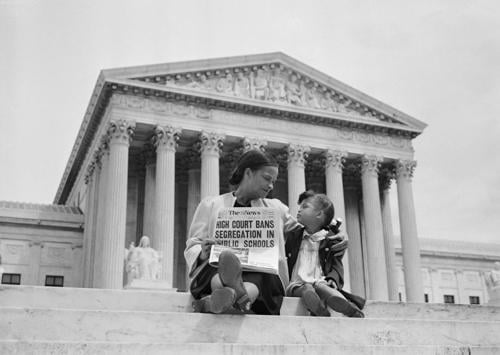
Ira B. Harkey discusses the south, civil rights, race relations, racism, his newspaper, and his career ; part 2
1966 Ira B. Harkey discusses the south, civil rights, race relations, racism, his newspaper, and his career. Includes Ira Harkey reading from his newspaper the Mississippi "Chronicle-Star".
-
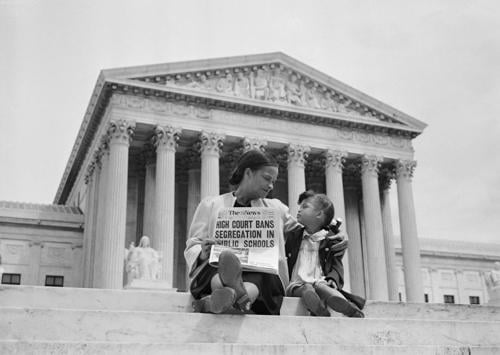
Ira B. Harkey discusses the south, civil rights, race relations, racism, his newspaper, and his career ; part 1
1966 Ira B. Harkey discusses the south, civil rights, race relations, racism, his newspaper, and his career. Includes Ira Harkey reading his writing from his newspaper the Mississippi "Chronicle-Star."