

-
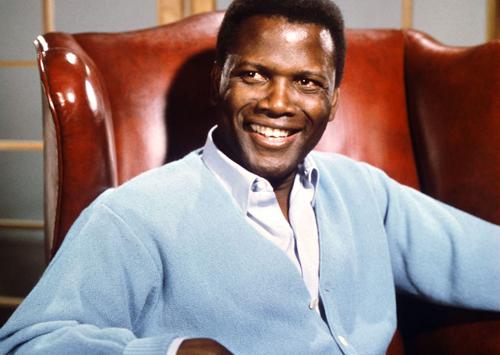
Sidney Poitier discusses his book "This Life"
Jun. 13, 1980 Actor and director Sidney Poitier offers his reflections about his autobiographical memoir, "This Life". Poitier explains how he never had ambitions to be an actor and yet he stumbled into acting when looking through the clasisfied ads. There's a story about his agent trying to settle a negotiation on Poitier's behalf. Poitier's agent told the others involved that Poitier was offered a film in Hollywood. Believing it was a cheap ploy, the agent was told to tell Poitier to go onto Hollywood, and the rest is history for Sidney Poitier.
-

-
Sidney Lens in conversation with Studs Terkel
Feb. 15, 1983 Discussing the book "The Maginot Line Syndrome: America's Hopeless Foreign Policy" (published by Ballinger) with the author, labor activists, and historian Sidney Lens.
-
Sidney Lens discusses his autobiography "Unrepentant Radical" and labor organizing
May. 29, 1980 Discussing the biography, "Unrepentant Radical: An American Activist's Account of Five Turbulent Decades," with the author Sidney Lens.
-
Sidney Blumenthal discusses his book "The Permanent Campaign: Inside the World of Elite Political Operatives"
Jun. 25, 1980 Author Sidney Blumenthal discusses his book "The Permanent Campaign," touching on topics including political consultants, modern campaigning, and the election process.
-
Sid Caesar and Imogene Coca talk about comedy and their work together
Sep. 26, 1990 Comedians Sid Caesar and Imogene Coca talk about their work together. They explore the meaning and emotions behind comedy, improv, and pantomime and how the audience is involved with their shows. Sid recalls several of their skits and does a few examples of his dialects.
-
Sibyl Moholy-Nagy discusses the art of her husband, Laszlo Moholy-Nagy
Jun. 10, 1969 On the day before the opening at the Museum of Contemporary Art, Sibyl Moholy-Nagy, talks about the art of her husband, Laszlo Moholy-Nagy. Mrs. Moholy-Nagy said her husband believed in self discipline and the sacrifice to learn. In addition, she explained that her husband didn't believe in focusing on one type of material for his art but rather he worked with different types of materials like oil on canvas, steel, and plexiglass.
-
Shirley MacLaine discusses her travels to China
Mar. 28, 1975 Shirley MacLaine discusses her travels to China. Includes passages from her book "You Can Get There From Here." Includes Chinese children chanting. Includes a clip from an interview with Dr. Joshua Horn.
-
Shirley Bryant, Nancy Fisher, and Nicole Mills discuss sex education
Mar. 7, 1974 Shirley Bryant, Nancy Fisher, and Nicole Mills discuss how a new sex education based in the importance of feelings and the use of contraception.
-
Shelley Berman reads from and discusses his role in "The Value of Names"
Apr. 4, 1983 In the play, "The Value of Names," Shelley Berman plays Benny Silverman, a role which he says is him, an actor from the Hollywood black list. Berman said being in Chicago, acting the role and working with the cast has been THE best experience of his life and when the show closes, it will be the saddest day of his life. The director of the play, Sandy Shinner, said she knew of the Hollywood black list but didn't know about all the personal stories. There is an excerpt of Vic Navasky.
-
Sharon R. Curtin discusses the book "Nobody Ever Died of Old Age"
Jun. 7, 1973 In order to write her book, "Nobody Ever Died of Old Age", Sharon R. Curtin went undercover and pretended to be interested in nursing homes in order to visit the facilities. Curtin's book also offers praise for older people and outrage for their loneliness.*Please note: some sections have been edited out from the original recording due to copyright considerations
-
-
-
Shana Alexander reads from and discusses her book "Very Much a Lady"
Apr. 6, 1983 "Very Much a Lady: The Untold Story of Jean Harris and Dr. Herman Tarnower" is Shana Alexander's account of this true crime. Jean Harris had a 14-year love affair with Dr. Tarnower of the Scarsdale Diet fame. Alexander's book covers Jean Harris' background, her doomed triste and the trial after the tragic event.
-
Shana Alexander discusses her book "Happy Days"
Nov. 10, 1995 The book, "Happy Days: My Mother, My Father, My Sister and Me," gives a lot of background about Shana Alexander's father, Milton Ager. A few of Ager's songs are played throughout the interview. Alexander also glosses over her time spent with "Life Magazine," and with "60 Minutes."