

-
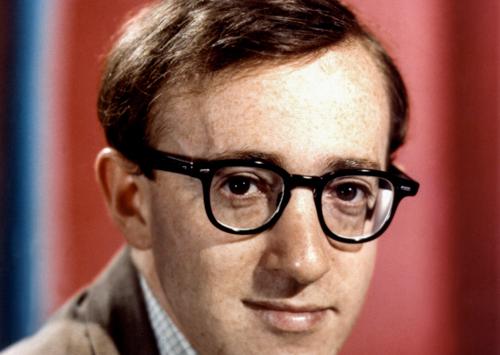
Woody Allen discusses his work as a comedic writer and performer
Jun. 1, 1965 Woody Allen discusses his life and art, the influence of both success and failure on his work, and how he finds comedy in life’s difficulties and trials. He discusses his first screenplay, “What’s Up Pussycat?” and other comedians who have influenced the development of his own comedic work, including Mort Sahl, Charlie Chaplin, the Marx Brothers, and George S. Kaufman.
-

Walter Kerr discusses his book "The Silent Clowns"
Dec. 11, 1975 Writer and critic Walter Kerr discusses his book "The Silent Clowns," about the film era's greats including Charlie Chaplin, Buster Keaton, Harold Lloyd, Raymond Griffith, and Harry Langdon. Studs begins by reading an excerpt from James Agee's "Death in the Family" with music in the background followed by Kerr reading from his book. They begin talking about how silent films affected the audience, lesser known stars Lloyd Hamilton and Charley Chase, and then analyze several famous Charlie Chaplin scenes to assess the complex nature of his characters.
-
Marcel Marceau discusses the art of mime ; part 2
Mar. 21, 1973 Marcel Marceau, world renown mime, talks about when he performed in prisons in France, Germany, and Chicago, including death row inmates who he could not see. He also discusses moments where he met famous silent actors such as Charlie Chaplin, Harpo Marx, and Stan Laurel. They then discuss childhood and aging. Content Warning: This conversation has the presence of outdated, biased, offensive language. Rather than remove this content, we present it in the context of twentieth-century social history to acknowledge and learn from its impact and to inspire awareness and discussion.
-
Marcel Marceau discusses the art of mime ; part 2
Feb. 1, 1982 Marcel Marceau, a French mime, discusses the art behind mime including silence, humanity, and astonishment. Parts of an earlier interview with Marceau are also played.
-
Marcel Marceau discusses the art of mime ; part 1
1970 Marcel Marceau, world renown mine, discusses the art and history of pantomime. Marceau talks about mime throughout history from Ancient Rome to the 20th century. He discusses some well-known mimes such as Pierrot and Charlie Chaplin. From aging, to humor and tragedy, and different cultures, Marceau explores about how the art of mime affects and reflects society. They also discuss how Marceau created and plays Bip and how the audience interacts with his character.
-
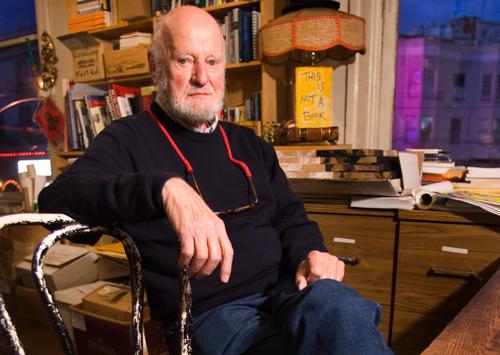
Lawrence Ferlinghetti discusses his new book "Over All the Obscene Boundaries: European Poems & Transitions"
Apr. 3, 1986 Co-founder of the bookstore City Lights Booksellers & Publishers, poet and social activist Lawrence Ferlinghetti discusses his latest work which reflects on his youth and travels to Europe. Ferlinghetti recites pieces from his current work on the topics of Spain, France, and Italy. The poet also reflects on his previous work and his view on the Beat Generation.
-
Claire Bloom discusses her career
Oct. 22, 1991 Being discovered by Charlie Chaplin, Claire Bloom always felt like the luckiest actress around. Bloom's favorite roles were Nora in a "Doll's House" and Hedda in "Hedda Gabler". Mary Tyrone of "Long Day's Journey Into Night" is a part Bloom would like to play in the future.
-
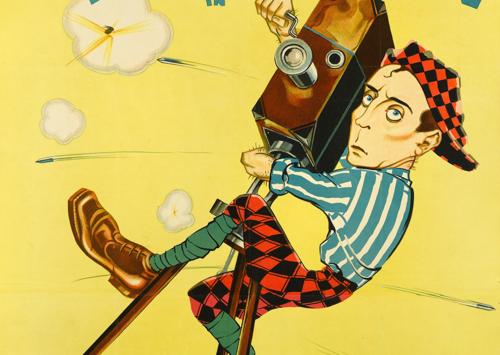
Buster Keaton discusses the release of "When Comedy Was King"
Sep. 5, 1960 Silent film pioneer Buster Keaton discusses his career following the release of "When Comedy Was King," a compilation of some classic shorts by Keaton, Charlie Chaplin, Harold Lloyd, and others. Keaton reveals how they shot the early silent films, generated material and gags, how they planned big chase scenes, the resurging European interest in silent classics, and more. Studs asks Keaton about the stylistic differences between him and Chaplin, whether he would recreate silent films, and how they compare to today's film-making.