

-
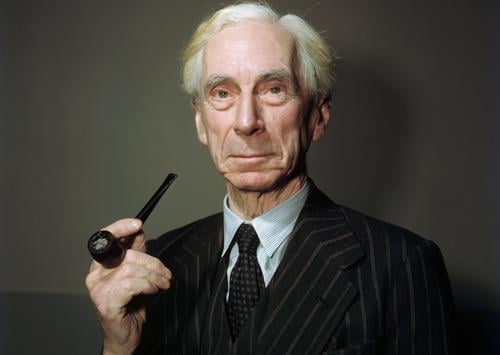
Studs Terkel discusses and presents a memoir of British philosopher, logician, mathematician, historian, writer, social critic, political activist and Nobel laureate Lord Bertrand Russell
Feb. 3, 1970 Studs talks of British philosopher, logician, mathematician, historian, writer, social critic, political activist and Nobel laureate Lord Bertrand Russell, and presents a recorded discussion with Lord Russell from December of 1961. Lord Russell speaks of a strong stance on nuclear disarmament, and the current climate of politics, science and society.
-

Studs Terkel comments and presents musical performance of Shakespeare tapestry
Apr. 23, 1975 Terkel comments and presents musical performance of Shakespeare tapestry
-
Studs Terkel comments and presents musical performance of Shakespeare
Apr. 23, 1975 Terkel comments and presents musical performance of Shakespeare tapestry
-
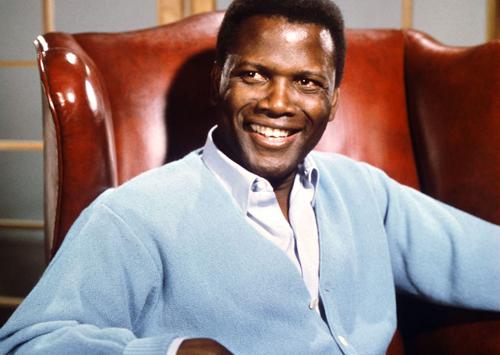
Sidney Poitier discusses his book "This Life"
Jun. 13, 1980 Actor and director Sidney Poitier offers his reflections about his autobiographical memoir, "This Life". Poitier explains how he never had ambitions to be an actor and yet he stumbled into acting when looking through the clasisfied ads. There's a story about his agent trying to settle a negotiation on Poitier's behalf. Poitier's agent told the others involved that Poitier was offered a film in Hollywood. Believing it was a cheap ploy, the agent was told to tell Poitier to go onto Hollywood, and the rest is history for Sidney Poitier.
-
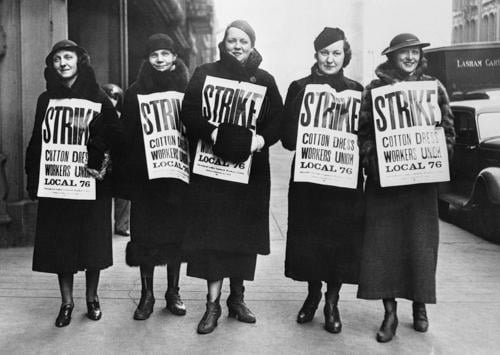
Sidney Lens discusses his autobiography "Unrepentant Radical" and labor organizing
May. 29, 1980 Discussing the biography, "Unrepentant Radical: An American Activist's Account of Five Turbulent Decades," with the author Sidney Lens.
-
Shelley Berman reads from and discusses his role in "The Value of Names"
Apr. 4, 1983 In the play, "The Value of Names," Shelley Berman plays Benny Silverman, a role which he says is him, an actor from the Hollywood black list. Berman said being in Chicago, acting the role and working with the cast has been THE best experience of his life and when the show closes, it will be the saddest day of his life. The director of the play, Sandy Shinner, said she knew of the Hollywood black list but didn't know about all the personal stories. There is an excerpt of Vic Navasky.
-
Shana Alexander reads from and discusses her book "Very Much a Lady"
Apr. 6, 1983 "Very Much a Lady: The Untold Story of Jean Harris and Dr. Herman Tarnower" is Shana Alexander's account of this true crime. Jean Harris had a 14-year love affair with Dr. Tarnower of the Scarsdale Diet fame. Alexander's book covers Jean Harris' background, her doomed triste and the trial after the tragic event.
-

Seymour Melman discusses his book "Pentagon Capitalism: The Political Economy of War"
Jun. 8, 1970 Seymour Melman discusses his book "Pentagon Capitalism: The Political Economy of War." Topics of discussion include the military-industrial complex and the state management of industry, particularly in regards to defense.
-
Seymour M. Hersh reads from and discusses his book "My Lai 4"
May. 22, 1970 Innocent, unarmed villagers were murdered in the horrific massacre in March of 1968. In Seymour M. Hersh's book, "My Lai 4: A Report on the Massacre and Its Aftermath," Seymour further explains that to the soldiers, the killing was simply a game to them, of who could kill the most bodies.
-
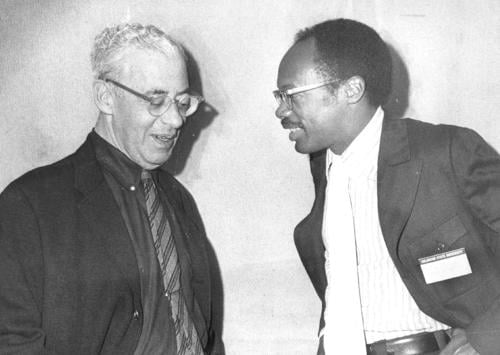
Saul Alinsky, American community organizer, political activist, and writer discusses his book "Rules for Radicals" with Studs Terkel
1971 Community organizer and social activist, Saul Alinsky speaks about his newest book, "Rules for Radicals," and reminisces about his work in the Back of the Yards neighborhood, his advocacy for African-American labor rights, and his connection with the Mexican-American civil rights movement in California. Although Studs' introduction states that this is a rebroadcast of a 1962 interview, that is incorrect. The interview was recorded in 1971.
-
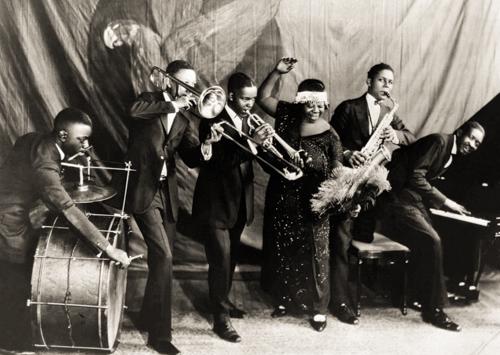
Sandra Lieb discusses the book "Mother of the Blues: A Study of Ma Rainey"
Jan. 12, 1982 Sandra Lieb discusses the book "Mother of the Blues: A Study of Ma Rainey." Includes songs sung by Ma Rainey such as "Runaway Blues," "See See Rider," "Moonshine Blues," and "Oh, Papa Blues." Includes poem "Ma Rainey" by Sterling Brown. Includes "Oh, Daddy," by Ethel Waters. Includes "Young Woman's Blues" by Bessie Smith.
-
Russell Barrett discusses his book, "Integration at Ole Miss"
Mar. 9, 1965 Political science professor and author Russell Barrett discusses and reads excerpts from his book, “Integration at Ole Miss.” He examines the legal challenges, apathy, and aggression that contributed to the build up of racial tensions leading to the enrollment of the University of Mississippi’s first black student — James Meredith — and the resulting riots and violence. Includes a recording of the Chad Mitchell Trio singing "Alma Mater (About Ole Miss)."*Please note: some sections have been edited out from the original recording due to copyright considerations
-
Ronnie Dugger discusses his book "Politician: The Life and Times of Lyndon Johnson"
Jul. 15, 1982 Ronnie Duggar’s book, “Politician: The Life and Times of Lyndon Johnson,” shows Johnson’s rise to power. Duggar explained that from a young age, Johnson knew to court power. While at the Teachers College in Texas, Johnson told his cousin, “It starts at the president’s office,” where Johnson was the president’s right arm man. Once in the Senate, Johnson chose to be on the Armed Services Committee because he knew Senator Richard Russell ran the Senate. Johnson courted powerful men and in exchange, these men would advance his career.
-
Ronald Blythe discusses the village of Akenfield ; part 1
1968 Ninety five miles outside of London, Ronald Blythe has interviewed residents of the village of Akenfield for his next book, "Akenfield: A Portrait of an English Village." Blythe said what surprised him most of all was that newspapers and TV didn't have much effect on this little village. Blythe also learned that the village people would take part in political conversations with one another but they'd never let on as to which political party they were apart of.
-
Ron Kovic discusses his autobiography "Born on the Fourth of July"
Jul. 29, 1977 Studs interviews Vietnam veteran and anti-war activist Ron Kovic upon the paperback release of his autobiography "Born on the Fourth of July." Kovic recounts his All-American upbringing and unblinking faith in the country and its ideals before volunteering for the Marines and Vietnam.