

-
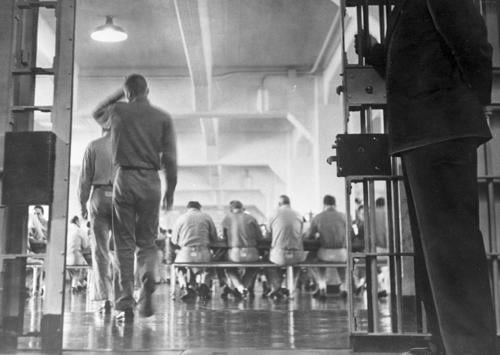
Nelson Algren, Nathan Kantrowitz, and David Maurer discuss language and characteristics of the criminal underworld
Jan. 29, 1967 Nelson Algren, Nathan Kantrowitz, and David Maurer discuss language and criminal subculture, including the development of institutional slang at different prisons, the nature of drug addiction and its influence on criminal language and vocabulary, and the myth of the criminal mind. Includes an Interview with an inmate at a Chicago prison.
-

Judy Nichol and seniors Jim and Kurt discuss drugs in high school
May. 8, 1973 As part of an on-going series, Chicago Sun Times reporter, Judy Nichol and her colleagues went to various high schools in Chicago and the suburbs to talk to students about drugs in the high schools. Lane Tech seniors Jim and Kurt said the reason they got into doing drugs was because of their peers and because they wanted to be a part of the crowd.
-
Herman Kogan, Helen Malone in conversation with Studs Terkel
Feb. 20, 1960 As a tribute to Nelson Algren after his death, a collection of his writing is dramatized in this radio program titled "Come in at the Door."
-
Ellen Afterman, Clinton Sanders, and Spellman Young discuss the drug epidemic
1980 Ellen Afterman and Clinton Sanders (authors of "Drugs and Your Life") and Spellman Young discuss drug use through the lenses of race, sex, and socioeconomic status.
-

Claude Brown talks with Studs Terkel
Sep. 13, 1965 Discussing the book "Manchild in the Promised Land" with Claude Brown. Brown also discusses growing up in Harlem, New York as an African American man. Includes a clip of a man speaking from the county jail. Includes a song sung by Mahalia Jackson. Includes a clip of children singing.
-
Carl Charnett, Director of Gateway House, and residents ; part 2.1
1970 Carl Charnett discusses Gateway House, a community for the cure of drug addiction (part 2 of 2). Includes interviews of Ira Robinson, Bill Jacobson, and other residents. This has additional content not included in part 2.
-
Carl Charnett, Director of Gateway House, and residents ; part 2
1970 Carl Charnett discusses Gateway House, a community for the cure of drug addiction (part 2 of 2). Includes interviews of Ira Robinson, Bill Jacobson, and other residents.
-
Carl Charnett, Director of Gateway House, and residents ; part 1
1970 The director of Gateway House, Carl Charnett, discusses Gateway House, a community for the cure of drug addiction (part 1 of 2). Includes interview of a resident, Linda.
-
"Come in at the Door" - featuring the writings of Nelson Algren with Studs Terkel ; part 1
Feb. 20, 1960 As a tribute to Nelson Algren after his death, a collection of his writing is dramatized in this radio program titled "Come in at the Door."