

-
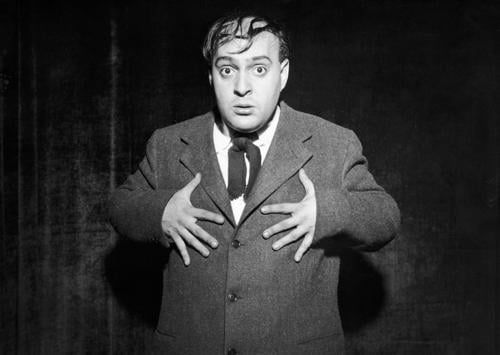
Zero Mostel discusses the play "Rhinoceros" and acting theory ; part 2
Aug. 14, 1961 Zero Mostel talks about acting theory, French and American theater differences, and the reflection of art in society.
-
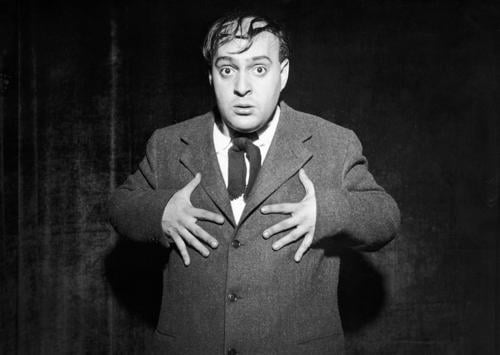
Zero Mostel discusses the play "Rhinoceros" and acting theory ; part 1
Aug. 14, 1961 Zero Mostel talks about acting theory, French and American theater differences, and the reflection of art in society.
-

Walter Rosenblum and Daniel Nagrin discuss art, life, photography, and dance
Jun. 2, 1982 Photographer and author Walter Rosenblum, and dancer and choreographer Daniel Nagrin discuss art, life, photography, and dance. The two answer the question “What calls one to a life of art?” and other driving factors for artists such as political, social, and economic interests. Studs opens and closes this program by playing an untitled Armenian dance song.
-
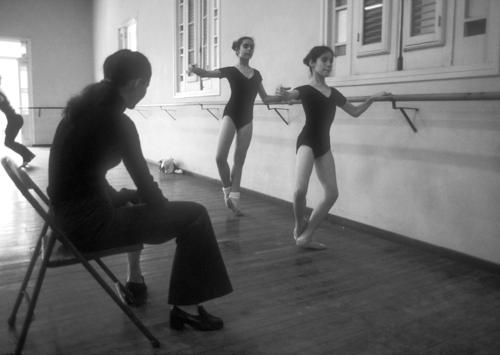
Linda Winer discusses Cuban dance, culture, and politics
Dec. 13, 1974 Art critic Linda Winer discusses her Chicago Tribune series on Cuba social culture and political conditions, especially in regards to dance companies. Studs plays a live version of "Guantanamera" - Pete Seeger (1963), "Canto Para Elegua" - Grupo Folklorico de Cuba, and “Canto a Wamba” - El Conjunto Experimental Santero.
-
Harold Rosenberg discusses action painting and other trends in art
Apr. 9, 1966 Harold Rosenberg, a provocative and loquacious art critic, joins Studs Terkel to discuss trends in the art world. The interview begins with a clip from Sonia Delaunay, who remarks that Pablo Picasso does not create art, but transforms it. Rosenberg disagrees with this statement, elaborating on his beliefs that tradition and past experiences and influences are present in any work. The desire to create “new” art is also a complicated concept, according to Rosenberg, as art transcends time and can be considered “new” to new viewers.
-
Abraham Rattner discusses his upbringing and his work
1970 American artist Abraham Rattner talks about his early influences, his inspiration, and what his work means to him.*Please note: some sections have been edited out from the original recording due to copyright considerations