

-
-
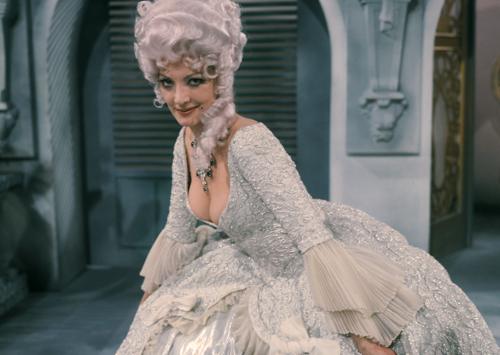
Anna Moffo discusses her career as an opera singer
May. 11, 1978 Anna Moffo discusses her career as an opera singer, opera composers, and opera music.
-

Anna Lisa Crone, Abigail Croydon, John Carswell in conversation with Studs Terkel
Jan. 13, 1987 Discussing the Soviet-American art exchange with Anna L. Crone, Associate Professor of Slavic Languages and Literature at the University of Chicago, Abigail Croydon, and John Carswell.
-
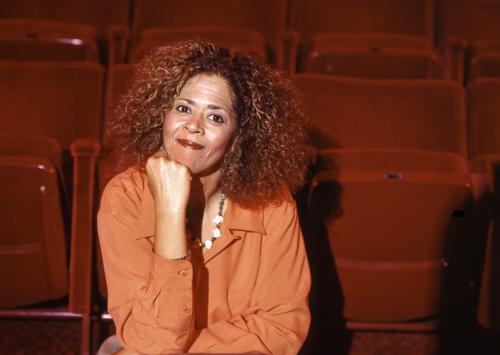
Anna Deavere Smith discusses her career
May. 4, 1995 Anna Deavere Smith discusses and demonstrates her unique character portrayals from her works "Fires in the Mirror" and "Twilight: Los Angeles, 1992."
-
Anna Bruehan, Peggy Terry, Lois Arthur, Evie Kramer and Lucy Jefferson talk about the female experience
1980 Discussion of the female experience from multiple perspectives. Peggy Terry's interview is played in the interview with Patricia O'Brien, 1965188-3-1.
-
-
-
Ann Banks in conversation with Studs Terkel
Feb. 2, 1981 The journalist, writer, and editor discusses her book, First Person America, which documents over 80 oral histories from the time of the Federal Writers' Project, which was part of the Works Progress Administration.*Please note: some sections have been edited out from the original recording due to copyright considerations
-
Anita Miller and Jeanne Madeline Weimann discuss their book, "The Fair Women"
Jul. 17, 1981 Anita Miller and Jeanne Madeline Weimann discuss their book, The Fair Women, published in 1981, a book that talks about the women's role in the World's Columbian Exposition, especially in the creation of the Women's Building.
-
Angela Pieroni and Dr. Bertram Carnow discuss air pollution
1970 A homemaker, Angela Pieroni, has spent eight years fighting for the rights of everyone to breath clean air. Pieroni explains she's done with just complaining and being brushed aside. She wants to see national legislation against air pollution. Dr. Bertram Carnow said he's not sure how long we'll be around as a species. Carnow explained that perhaps two or three million people will have to die before authorities take air pollution seriously.
-
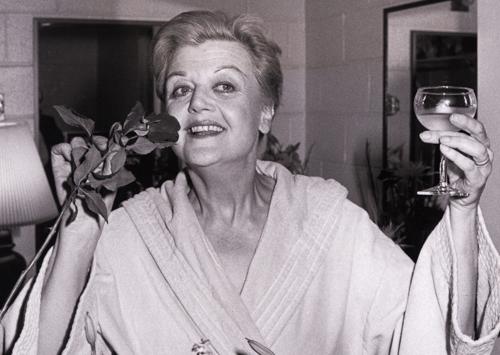
Angela Lansbury discusses her work on "Sweeny Todd"
Feb. 19, 1981 Angela Lansbury, actress and singer, talks about her work on the play, "Sweeny Todd." Lansbury also talks about her early career, work on Mame, and her family.
-
-
Andrew Patner discusses his book, "I.F. Stone: A Portrait" and Stone's career as a newspaper man
Mar. 10, 1988 Studs Terkel interview with Andrew Patner about his book, "I.F. Stone: A Portrait" that speaks to the life of newspaper man Izzy Stone. Patner describes his preparation and efforts to interview Stone. They discuss Stones incredible work in spite of the fact that he was nearly blind and deaf. Both Studs and Patner read excerpts from the book. They discuss Stones knowledge of literature, Greek philosophy, the Vietnam War, and his ability to speak French. Studs quotes a review of Patner's book from a newspaper. Patner also quotes Izzy Stone comments about Socrates.
-
-
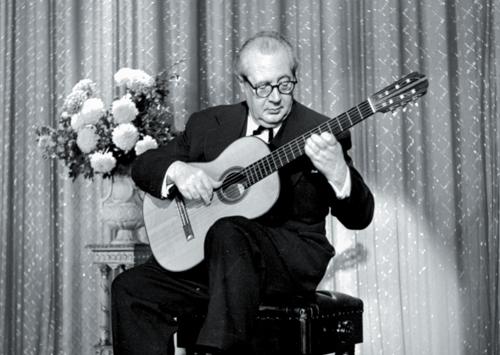
Andres Segovia discusses his life and career as a classical guitarist
Feb. 2, 1978 Studs interview with Andres Segovia about his life in Grenada and how he came to play the guitar as an orchestra instrument. Segovia speaks to the history of the guitar and other instruments as classical musical instruments. They discuss Segovia's choice of instrument, how he gives back to his genre, how he stays vibrant at his age, and how he and his audiences relate. Segovia explains his desires for the guitar in the philharmonic world. Studs notes how Segovia has had to teach composers how to write for guitars.