

-

Dempsey Travis discusses his book "An Autobiography of Black Jazz"
Nov. 7, 1983 Dempsey Travis talks about his book, "An Autobiography of Black Jazz," as he recalls his childhood memories of Jazz, Blues, and Boogie-Woogie artists that he met.
-
Dempsey Travis discusses big band jazz players
Nov. 21, 1994 Dempsey Travis, real estate entrepreneur and civil rights activist turned historian and author, recalls his earlier days meeting and listening to many of the African American jazz artists. Some of the musicans mentioned are Louis Armstrong, Jimmie Lunceford, Fletcher Henderson, Duke Ellington, Earl Hines, Art Tatum, Cab Calloway, Nat King Cole, and Benny Goodman.
-
Del Close discusses hipsters and comedy
May. 15, 1970 Del Close discusses hipsters, what is hip, and comedy. Includes a clip of Del Close and his colleague John Brent from the beatnik satire "How to Speak Hip".
-
Debra Evenson and Gisela Lopez discuss the U.S. embargo on Cuba
Sep. 1, 1994 Attorney Debra Evenson and Gisela Lopez discuss the U.S. embargo on Cuba, the 1994 Cuban craft crisis, and food shortages and life in Cuba.
-
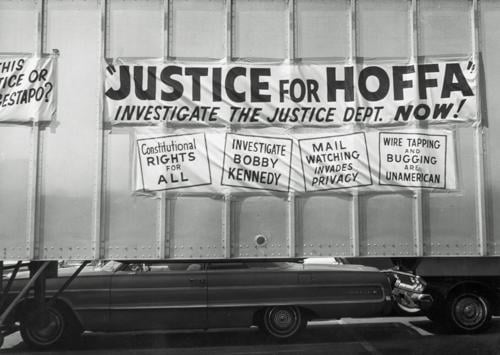
David Wise discusses his book "The Politics of Lying: Government Deception, Secrecy, and Power"
May. 25, 1973 Political author David Wise discusses his book, "The Politics of Lying: Government Deception, Secrecy, and Power", published in 1973. Wise talks about the current state of government information and transparency.
-
David T. Dellinger discusses his book "From Yale to Jail"
Apr. 23, 1993 The early influences of his father, his time in prison, and a bomb being sent to his home are among the topics covered in Dellinger’s book, “From Yale to Jail: The Story of a Moral Dissenter”. Dellinger is best known for being one of the Chicago Eight. He recalls a time in Lincoln Park, IL when he was warned to get out of there quickly because the police were told to attack Dellinger and his group.
-
David Schramm talks to Studs Terkel
Dec. 28, 1981 Interviewing astronomer David Schramm.
-
-
David Scherman discusses “The Best of Life,” a book he edited
Oct. 12, 1973 Photographer David Scherman talks with Studs Terkel about the stories that photos can tell, famous photographers, and the book “The Best of Life,” which Scherman edited. A recording of the song “Brother, Can You Spare a Dime?” by the Weavers is played.
-

David Rossin and McKinley Olson debate nuclear energy
Oct. 5, 1976 David Rossin from Commonwealth Edison and McKinley Olson, a reporter and author of "Unacceptable Risk", debate the pros and cons of nuclear energy.
-
-
-

David McCullough discusses his book "Mornings on Horseback"
Aug. 5, 1981 Discussing the book "Mornings on Horseback" with author David McCullough.
-
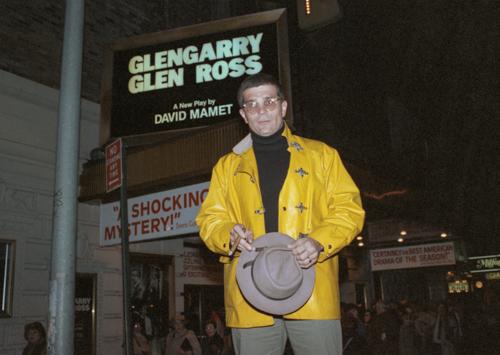
David Mamet discusses his play Glengarry Glen Ross
Jan. 13, 1984 David Mamet discusses his play Glengarry Glen Ross. Includes two scenes from the play recited by both David Mamet and Studs Terkel.
-

David Lowe discusses the history and story behind the architecture of Chicago from his book "Chicago Interiors"
Nov. 7, 1979 Studs interviews David Lowe about his book, "Chicago Interiors." Studs begins the interview with John Carpenter’s “Skyscrapers.” Studs leaf’s through the book as they discuss various photos and Lowe describes the history of various structures from the book that includes Chicago history. They discuss the history of architecture in Chicago and highlight various famous architects. Lowe explains how the industrial revolution, foreign countries and the Chicago fire all influenced Chicago architecture.