Listen to New Voices on Studs Terkel our partnership with 826CHI-here! Read the Story


-
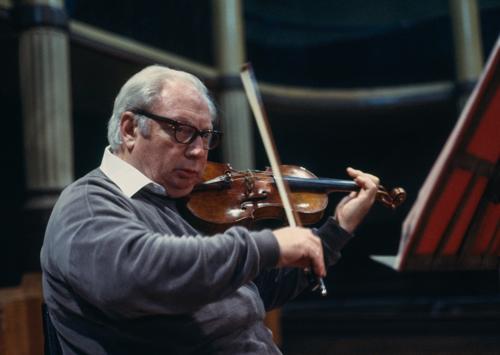
Live musical performance by Isaac Stern
Jan. 20, 1989 Studs Terkel sits down to interview American Violinist Isaac Stern. Stern performs for Terkel on the radio.
-

Listening to and discussing the "Living Music Collection '86," with saxophonist, bandleader, and composer Paul Winter
Oct. 20, 1986 Listening to the Living Music Collection
-
-
-
-
-

Lisa Richette discusses her book The Throwaway Children ; part 2
Lisa Richette, lawyer and judge, discusses her book "The Throwaway Children", published in 1969. She discusses issues of juvenile justice and the law regarding juveniles.
-

Lisa Richette discusses her book The Throwaway Children ; part 1
Lisa Richette, lawyer and judge, discusses her book "The Throwaway Children", published in 1969. She discusses issues of juvenile justice and the law regarding juveniles.
-
Lino Chavez and his Mexican Folk Ensemble discuss music, culture and performing
Aug. 12, 1959 Lino Chavez and his Mexican Folk Ensemble discuss, through a translator, Mexican culture and music and perform their song "El Jarabe" at 2:50, "El Tilingo" at 13:50, "Maria Chuchena" at 23:05, "El Cascabel" at 29:31, "La Bamba" at 38:39, and "El Ahualulco" at 47:55. These songs have been removed from this recording.
-
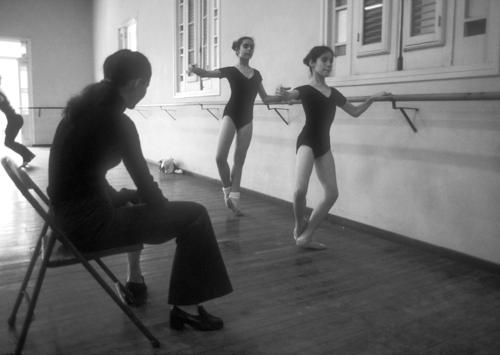
Linda Winer discusses Cuban dance, culture, and politics
Dec. 13, 1974 Art critic Linda Winer discusses her Chicago Tribune series on Cuba social culture and political conditions, especially in regards to dance companies. Studs plays a live version of "Guantanamera" - Pete Seeger (1963), "Canto Para Elegua" - Grupo Folklorico de Cuba, and “Canto a Wamba” - El Conjunto Experimental Santero.
-
Linda Stout discusses her book “Bridging the Class Divide and Other Lessons for Grassroots Organizing”
Apr. 7, 1997 Author, grassroots organizer, and activist Linda Stout discusses her book “Bridging the Class Divide and Other Lessons for Grassroots Organizing.” Growing up in a low-income family, Stout discusses poverty as “the lack of knowing about options” and how this served as the driving force in her activism. Studs plays “Bread and Roses” - Judy Collins (1976).*Please note: some sections have been edited out from the original recording due to copyright considerations
-
Lincoln Mayorga discusses American popular piano music
May. 30, 1984 Studs Terkel and Lincoln Mayorga discuss the evolution of American popular piano music with Mayorga playing examples.
-
Lily (Rose Rigsby) Lowell and two men from St. Timothy's talk with Studs Terkel
1966 Discussion of Division Street: America [Continuation of interview at the end of 1925659-3-1]
-
Lillian Smith discusses her books; part 3
Nov. 11, 1961 Content Warning: This conversation includes racially and/or culturally derogatory language and/or negative depictions of Black and Indigenous people of color, women, and LGBTQI+ individuals. Rather than remove this content, we present it in the context of twentieth-century social history to acknowledge and learn from its impact and to inspire awareness and discussion. Lillian's Smith first book was "Strange Fruit." Smith said people that were reading that book covered up the book jacket so no one could see the title of the book.
-
Lillian Shirley discusses North Vietnam
Apr. 4, 1973 Discussing her reflections of what she saw in North Vietnam, including the bombed hospital, Bach Mai, with former nun Lillian Shirley. An elderly woman told Shirley that she didn't blame the American people for the bombings. Despite seeing 18 of 20 buildings of the Bach Mai Medical Center totally destroyed, Shirley said she found the Vietnamese people to be most cordial and happy.