Listen to New Voices on Studs Terkel our partnership with 826CHI-here! Read the Story


-
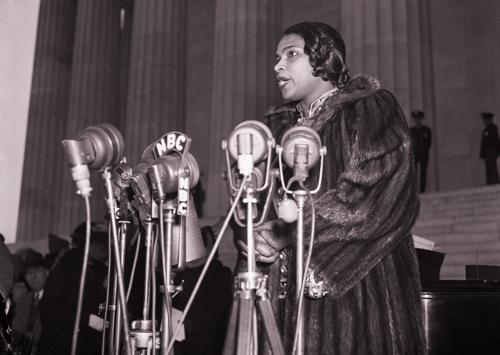
Marian Anderson and James DePreist discuss their experiences in music ; part 1
1966 Marian Anderson recalls singing on stage for the first time at the Metropolitan Opera House in 1957 and how it was the realization of a dream come true. Marion's nephew, James DePreist remembers being able to conduct a piece of music he had never conducted before because his aunt Marion had exposed him to it when he was a child. James said when his aunt Marion sung spirituals, he couldn't help but feel religious and he's an atheist.
-

-
Maria Kuncewicz, Polish writer and novelist, discusses her book, "Don Quixote and the Nannies"
May. 25, 1965 An interview with Maria Kuncewicz about her book of fiction, "Don Quixote and the Nannies" and how this book reflects her travels to Spain and her personal observations, memories, and experiences. The story reflects the freedom and beauty that people want today post WWII. Kuncewicz tells her experience as a child with nannies and a particular event that helped inspire her writing. She speaks about authority and author, Miquel de Cervantes. Kuncewicz also talks about the people of Spain and how they reflect different Don Quixote characters.
-
Maria Cerda and Dick Simpson discuss Chicago: An Agenda for Change, with a focus on education ; part 3
Oct. 8, 1974 Chicago: An Agenda for Change. Part 3 of 5. Maria Cerda is a former Chicago Board of Education member.
-
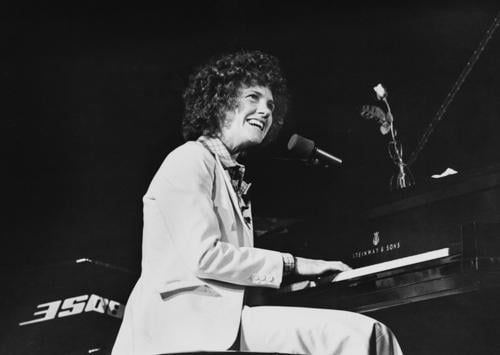
Margie Adam plays and discusses her music
Jun. 26, 1980 Margie Adam, singer, songwriter, pianist and activist discusses her latest album (1980) Naked Keys which features her solo piano music.
-
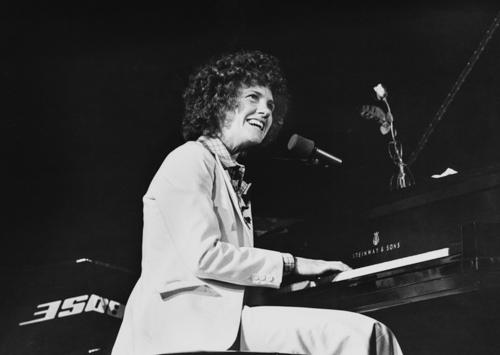
Margie Adam discusses her music and career
May. 20, 1993 Margie Adam, musician, activist, and composer, discusses how events such as the women's movement and the lesbian-feminist movement inspired her to create music for her new album, Another Place. The album reflects on Adams's life and on topics such as her sexuality.
-
Margherita Repetto discusses the women of Italy
The topics Margherita Repetto cover include the feminist movement in Italy, women's rights and abortions in Italy. Repetto explained great strides have been made in Italy, as it was once a country where women could not vote and women could not be a member of Parliament.
-
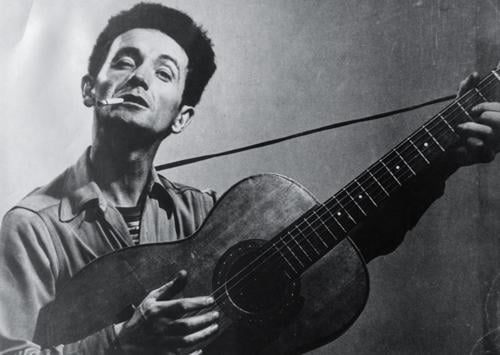
Marge Guthrie discusses Woody Guthrie's life and music
Mar. 14, 1975 Marge Guthrie, Woody Guthrie’s second wife and Arlo Guthrie’s mother, joins Studs Terkel to discuss her late husband’s music and the lasting impact it made. Marge calls Woody a “chronicler,” remarking on his great ability to write songs about and for the common man, and informs Terkel of honors that Woody received from the state and federal government to commemorate his contribution to conservation efforts.
-
Margaret Webster discusses Shakespeare and his plays
Apr. 21, 1961 American-British actress Margaret Webster, talks about the unsophisticated audience members that go to see plays by Shakespeare. Upon seeing a play, they're afraid to go at first but once they are there, they realize how much they are truly enjoying themselves.
-
-
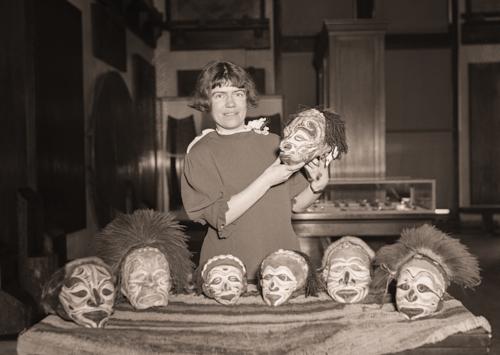
Margaret Mead discusses different cultures, anthropology, and society
1965 Margaret Mead discusses different cultures, anthropology, and society. Margaret Mead discusses topics such as immigrants, American society, poverty, and population explosion.
-

Margaret Long talks with Studs Terkel
1965 Margaret Long discusses the relationship between African Americans and white southerners that live in Montgomery, Alabama. She discusses the reactions to the changes in civil rights laws.
-
Margaret Barry discusses her time as a singer and banjo player
Oct. 9, 1961 Margaret Barry and Michael Gorman, discuss traditional Irish music and their careers as musicians.
-
Margaret Barry and Michael Gorman discuss music
1960 Singer Margaret Barry and fiddler Michael Gorman reminisce about singing and playing at the Bedford Arms pub. Barry talks about how's she's travelled all over Ireland. She talks about how sad it is to not be doing as many live performances because times are changing to the jukebox.
-
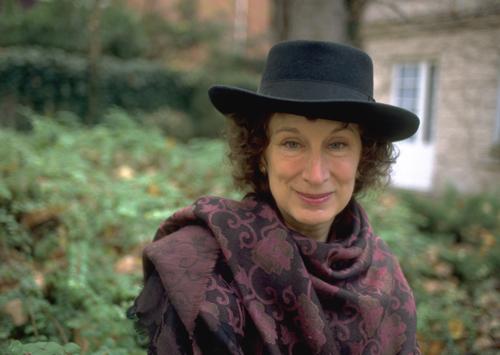
Margaret Atwood discussing "The Handmaid's Tale"
Mar. 13, 1986 Margaret Atwood discusses her book "The Handmaid's Tale" and the real life and biblical events that inspired it. The show also includes two interludes with Erich Fromme discussing "Escape from Freedom".