

-

Stan Vanderbeek discusses his career
1961 Studs sits down with American animator and experimental filmmaker Stan Vanderbeek.*Please note: some sections have been edited out from the original recording due to copyright considerations
-
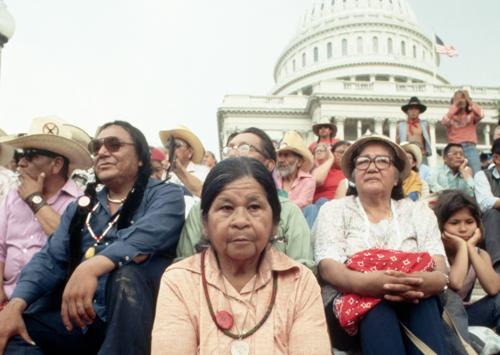
Stan Steiner talks with Studs Terkel ; part 2
1967 Discussing the book "The New Indians" and interviewing the author Stan Steiner.
-
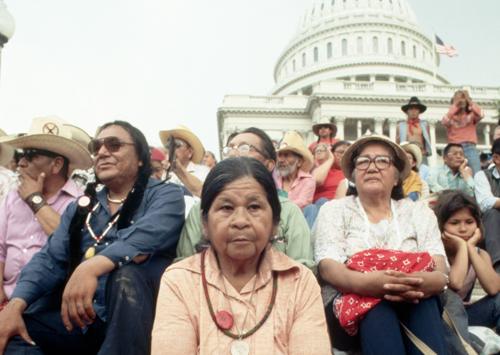
Stan Steiner talks with Studs Terkel ; part 1
1967 Discussing the book "The New Indians" and interviewing the author Stan Steiner.
-
Stan Steiner discusses his book, "La Raza: the Mexican Americans," with Studs Terkel ; part 1
Several aspects regarding the plight and history of indigenous people in what's now known as the United States of America are discussed.
-
Stan Getz in conversation with Studs Terkel
Apr. 26, 1984 Terkel presents musical performance by Stan Getz
-
Stan Getz and Penny Tyler discuss the 10th Chicago Jazz Festival
Aug. 29, 1988 Interviewing tenor saxophonist Stan Getz and jazz promoter and critic Penny Tyler.
-
-
Stan Brakhage discusses cinematography
Oct. 19, 1970 According to Stan Brakhage, being a cinematographer is being a writer of movement. Here, he talks with Studs about film and magic, and always finding new techniques to make pictures move.*Please note: some sections have been edited out from the original recording due to copyright considerations
-
Stafford Dean and Catherine Malfitano discuss opera and "The Marriage of Figaro"
Nov. 6, 1975 Stafford Dean and Catherine Malfitano analyze their characters in "The Marriage of Figaro" and aspects of opera. They also discuss their upbringings, musical influences, and the future of opera. The original show opened with a recording of the Overture from "The Marriage of Figaro", which has been removed from this recording for copyright reasons.
-
St. Clair Drake and Paul Mundy discuss prejudice ; part 4
1965 Discussing prejudice in communities with Dr. St. Clair Drake and Dr. Paul Mundy. They discuss discrimination, racism, integration, and other similiar topics.
-
St. Clair Drake and Paul Mundy discuss prejudice ; part 3
1965 Discussing prejudice in communities with Dr. St. Clair Drake and Dr. Paul Mundy. They discuss stereotypes, racism, and race relations.
-
St. Clair Drake and Paul Mundy discuss prejudice ; part 2.
1965 Discussing prejudice in communities with Dr. St. Clair Drake and Dr. Paul Mundy. They discuss prejudice towards the races, religions, and ethnicities of people.
-
St. Clair Drake and Paul Mundy discuss prejudice ; part 1
1965 Discussing the community and prejudice with Dr. St. Clair Drake and Dr. Paul Mundy. Includes an interview with a boy named Tony discussing relations with African American people.Content Warning: This conversation includes racially and/or culturally derogatory language and/or negative depictions of Black and Indigenous people of color, women, and LGBTQI+ individuals. Rather than remove this content, we present it in the context of twentieth-century social history to acknowledge and learn from its impact and to inspire awareness and discussion.
-
Spiet Himmelsturb discusses the little school movement
1968 Spiet Himmelsturb, a school teacher, talks about the little school where he works. Parents, teachers and students all have a say in how the school is run. Eighty percent of a teacher's salary is paid by the Danish government. Himmelsturb explains that no grades are given in the school. A walking tour of the school transpires seeing the children knit and weave and play jazz instruments. [part 2 is missing].
-
Soviet intellectuals discuss Soviet arts and culture
May. 28, 1962 Soviet intellectuals Tamara Mamedova, Nicolai Pogodin, and Anatol Safronov talk with Studs Terkel about their work with the Institute for Soviet-American Relations (U.S.) and Soviet arts and culture.