

-

Irv Kupcinet discusses his autobiography "Kup: A Man, An Era, A City"
Dec. 8, 1988 Irv Kupcinet said he was embarrassed to admit how many hours he'd spend per day working on one story for his column. Kup explained his work life, his social life and personal life all gelled together because he was working about 18 hours a day. Reading papers every morning and making phones to his various contacts were the main ways Irv Kupcinet got his information.
-
-
Irish poet Paul Durcan reads and discusses his poems
Oct. 10, 1991 Interviewing Irish poet Paul Durcan.
-
Irina Ratushinskaya discusses her book "Beyond the Limit"
Mar. 10, 1987 Even while spending four years in a labor camp, Irina Ratushinskaya managed to write her poems on bars of soap. Ratushinkaya explained that one must keep their sense of humor while in the labor camps because there is nothing else. Other women in the camps helped Ratushinkaya smuggle her poems to the outside world.
-
Ira Sullivan, multi-instrumentalist and musician, discusses jazz music
Sep. 28, 1977 Ira Sullivan, multi-instrumentalist and musician, discusses jazz music. Recorded songs are interspersed throughout their conversation.
-
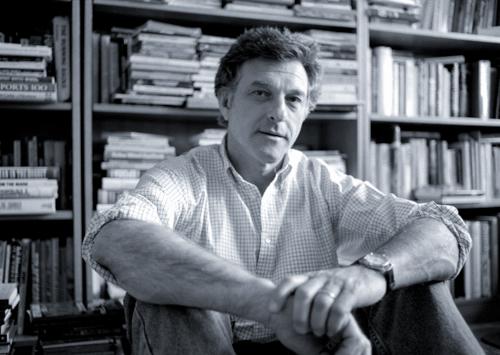
Ira Berkow discusses his book "Pitchers Do Get Lonely"
Aug. 9, 1988 The Chicago Cubs and their first night game at Wrigley Field, Marvin Miller and the players' union and why Muhammad Ali didn't take his prescription medicines are all topics covered in Ira Berkow;s book, "Pitchers Do Get Lonely and other Sports Stories".
-
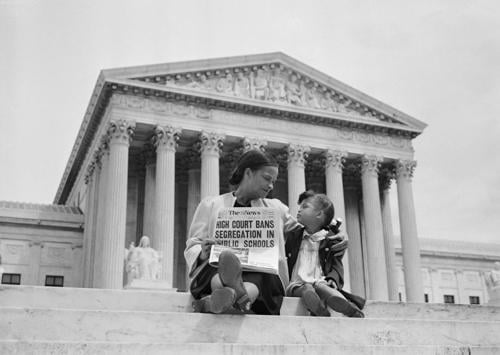
Ira B. Harkey discusses the south, civil rights, race relations, racism, his newspaper, and his career ; part 2
1966 Ira B. Harkey discusses the south, civil rights, race relations, racism, his newspaper, and his career. Includes Ira Harkey reading from his newspaper the Mississippi "Chronicle-Star".
-
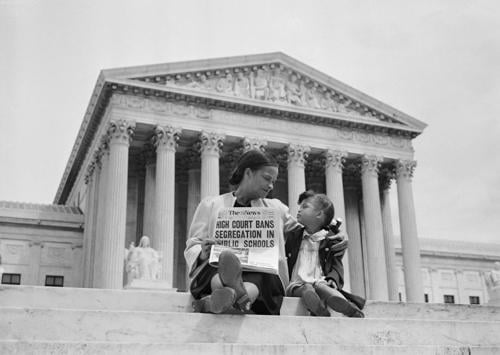
Ira B. Harkey discusses the south, civil rights, race relations, racism, his newspaper, and his career ; part 1
1966 Ira B. Harkey discusses the south, civil rights, race relations, racism, his newspaper, and his career. Includes Ira Harkey reading his writing from his newspaper the Mississippi "Chronicle-Star."
-

Investigative journalist James Ridgeway discusses the book, "The Last Play: The Struggle to Monopolize the World's Energy Resources"
1970 Mr. Ridgeway and Studs talk about the energy crisis and the systematic pillaging of the land of the United States by the companies involved in harvesting natural resources. Includes: Two excerpts presented of Joe Begley of Blackey, KY talking about the state of things in Appalachia as gas companies and strip mine operators come in to destroy the land.
-
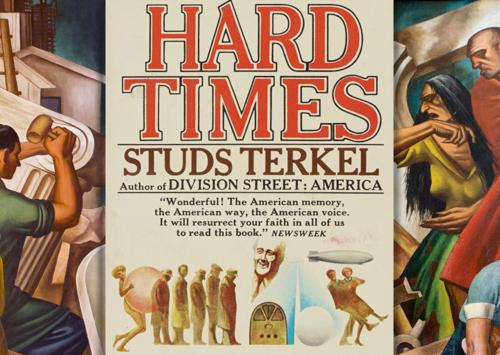
Inteviewees discuss a variety of topics from the Hard Times: an Oral History of the Great Depression program; excerpts part 3
Excerpts from different episodes of "Hard Times: an Oral History of the Great Depression". Concerning The New Deal: Ed Paulsen talks about conflicting feelings regarding the New Deal and how the government seemed more present in daily life. Gardner C. Means explains how the New Deal was created to help save the country. Joe Marcus remembers feeling like his ideas were valued and were making a difference in his government job. John Beecher talks about working in the transient camps.
-
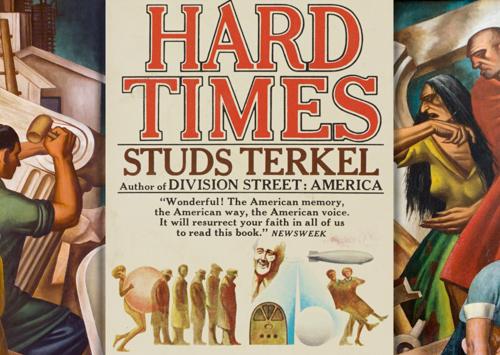
Inteviewees discuss a variety of topics from the Hard Times: an Oral History of the Great Depression program; excerpts part 1
Excerpts from different episodes of "Hard Times: an Oral History of the Great Depression". A Fairy Tale: Montage of young voices that talk about their parents' stories of surviving the Depression. The March: Jimmy Sheridan talks about what life was like on the rails as part of the Bonus March. Born Losers: Ed Paulsen discusses trying to find work in San Francisco and upon failing, marching to City Hall, which then led to rioting with the police. Hard Travelin': Pauline Kael remembers her mother feeding beggars that came to the back door.
-
Interviews with Dr. Bruno Bettelheim and Marlene Dixon
Feb. 6, 1969 Discussing the controversy at U.C. concerning the administration's refusal to renew Mrs. Dixon's contract (she later was reinstated but refused to accept) with Dr. Bruno Bettelheim, University of Chicago psychiatrist and Dr. Marlene Dixon, University of Chicago professor.
-
-
Interviewing Yehuda Lev
Jan. 17, 1963 Journalist and columnist Yehuda Lev reported on the trial of Holocaust perpetrator Adolph Eichmann for WFMT. Here, he joins Studs to discuss the aftermath of the trial and the importance of covering such issues.*Please note: some sections have been edited out from the original recording due to copyright considerations
-
Interviewing Xavier Corbero
1964 Catalan artist Xavier Corbero speaks of the artwork and folk traditions of the Catalonia and Castilia regions of Spain.*Please note: some sections have been edited out from the original recording due to copyright considerations