Listen to New Voices on Studs Terkel our partnership with 826CHI-here! Read the Story


-

-
-
-
Jules Feiffer discusses his cartoonist history and his play "Elliot Loves"
Apr. 12, 1990 Jules Feiffer and Studs read several of Feiffer's previous cartoons as they discuss his history as a cartoonist and his retrospective on display at the Walton Street Gallery in Chicago. Feiffer discusses his attempt to move away from political cartoons and instead shift focus to social commentary. Feiffer also discusses his play "Elliot Loves", a love story that captures the complications of love and the “gap” between the sexes.
-
Jules Feiffer discusses his book “Ackroyd”
Jun. 2, 1977 American author and cartoonist Jules Feiffer presents readings and discusses topics from his book “Ackroyd.”
-
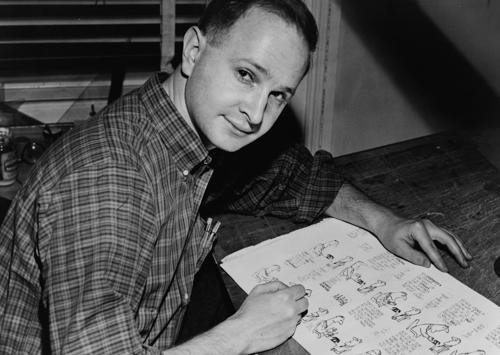
Jules Feiffer discusses his book "Feiffer on Nixon"
Nov. 10, 1974 Content Warning: This conversation has the presence of outdated, biased, offensive language. Rather than remove this content, we present it in the context of twentieth-century social history to acknowledge and learn from its impact and to inspire awareness and discussion. In his book, "Feiffer on Nixon: The Cartoon Presidency," Jules Feiffer tries to give his readers his take on politics and the government. In addition, through his descriptions of the cartoon panels, Feiffer offers his explanations of who President Nixon was.
-
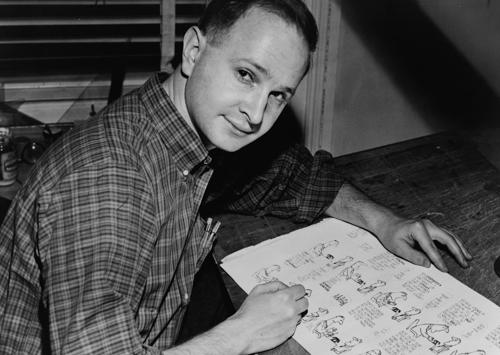
Jules Feiffer and Jamie Gilson talk with Studs Terkel
May. 13, 1960 Cartoonist Jules Feiffer discusses his book "The Explainers" and his thoughts on American society, gender roles, and political corruption as is satirized in his cartoons; cartoon strips are read throughout the program with Jamie Gilson.
-
Judy Nichol and seniors Jim and Kurt discuss drugs in high school
May. 8, 1973 As part of an on-going series, Chicago Sun Times reporter, Judy Nichol and her colleagues went to various high schools in Chicago and the suburbs to talk to students about drugs in the high schools. Lane Tech seniors Jim and Kurt said the reason they got into doing drugs was because of their peers and because they wanted to be a part of the crowd.
-
Judy Hough, Lily (Rose Rigsby) Lowell and Jimmy White talk with Studs Terkel Part 2
1968 Discussion of Division Street: America
-
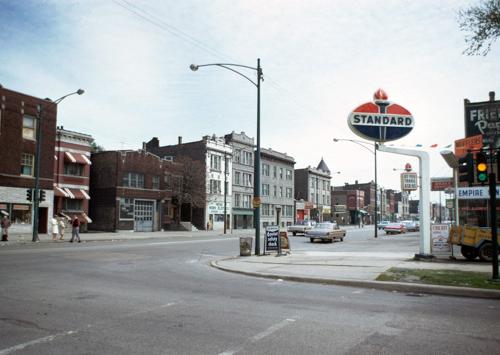
Judy Hough, Lily (Rose Rigsby) Lowell and Jimmy White talk with Studs Terkel Part 1
1968 Discussion of Division Street: America
-
Judy Collins discusses songwriting, success, and reproductive rights
1970 Judy Collins discusses how she began writing her own songs; successes in her career; and the fight for abortion rights.
-

-
Judith Wax reads from and discusses her book "Starting in the Middle"
Apr. 16, 1979 Reflections on Judith Wax's life are part of her book, "Starting in the Middle." Ms. Wax talks about being the perfect wife and mother, when she always secretly wanted to be a writer. Being an ignored female guest at dinner parties was always interesting, too, as male guests would often ask her, "What does your husband do?"
-
Judith Rossner discusses her book "Looking for Mr. Goodbar"
Jul. 18, 1975 Two central themes of Judith Rossner's book, "Looking for Mr. Goodbar" are time and loneliness. In her book, Rossner captivates her readers with Theresa Dunn's experiences of being a teacher by day and living dangerously with her sexual exploits at night. Included in the interview, both Rossner and Studs Terkel read passages from the book.*Please note: some sections have been edited out from the original recording due to copyright considerations
-
Judith Guest reads from and discusses her book "Ordinary People"
Jul. 30, 1976 She never took any writing courses and she didn't have an agent and yet, Judith Guest's novel, "Ordinary People," became something of a phenomenon. After her youngest son left for college, Guest found herself with more time to dedicate to writing. Guest also talks about how Viking press wanted her to change the title of her book.*Please note: some sections have been edited out from the original recording due to copyright considerations