Main navigation

  • Home
  • Explore
  • Interact
      • Clips Explore themed playlists of audio clips from the Archive.
      • Reuse Listen to creative reuses of Studs’ interviews.
      • Remix Combine audio from the Archive to create entirely new works.
  • Podcast
  • Classroom
  • Donate
People
Topics
Has Audio or Transcript
Showing 1 - 3 of 3 results
  • Jonathan Kozol

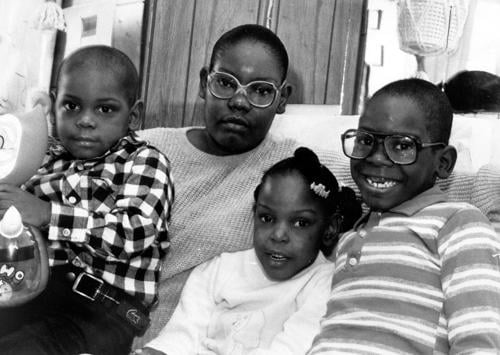
    Jonathan Kozol reads from and discusses his book "Rachel and Her Children: Homeless Families in America"

    Jan. 16, 1989

    The people living at the Martinique feel as though they are a toxic waste substance being compressed in the density living quarters, explains Jonathan Kozol. Rachel of Kozol's book, "Rachel and Her Children: Homeless Families in America" said people don't want to see them. Refering to the song, "We are the World, " Rachel also asks how come people care so much for people they can't see? "We are the world, " says Rachel. "We live here, too".

  • John Kenneth Galbraith in conversation with Studs Terkel

    Apr. 1, 1992

    Discussing the book "The Culture of Contentment" (published by Houghton Mifflin) with the author, economist John Kenneth Galbraith. This program is a dub from a master cassette.

  • Discussing the book "The New American Poverty," with the author Michael Harrington

    May. 1, 1984
Major Support Provided By
The Becca Kopf Memorial Circle of Friends
WFMT Radio Network & Chicago History Museum

This site is being managed by WFMT in partnership with the Chicago History Museum.

Library of Congress

In-kind digitization services of the Studs Terkel Radio Archive are provided by the Library of Congress.

National Endowment for the Humanities

The Studs Terkel Radio Archive has been made possible in part by a major grant from the National Endowment for the Humanities: Exploring the human endeavor.

Studs Terkel Radio Archive

All Programs About The Archive About Studs Supporters Contact

©2026 WFMT Radio Network | Site by Jell Creative

Any views, findings, conclusions, or recommendations expressed in this web resource do not necessarily represent those of the National Endowment for the Humanities.