

-
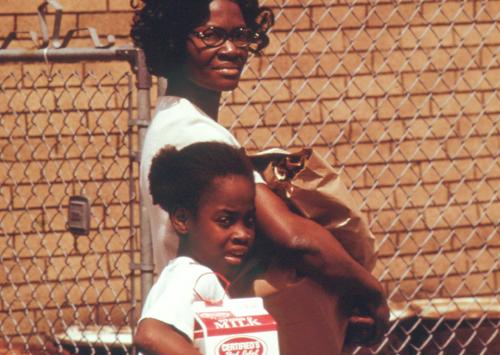
Jean Komaiko and Dr. Quentin Young discuss hunger in Chicago
Feb. 6, 1969 Joan Komaiko saw there were kids who could buy cartons of milk for four cents and the other kids who couldn't afford the milk, sat and watched the ones who drank the milk. Komaiko wrote a letter to the school board pointing out how kids couldn't do well at school because they were sent to school hungry. Dr. Quentin Young explained that the government needs to provide the children with breakfast and lunch at the schools because those two meals were probably the only meals children would receive that day.
-
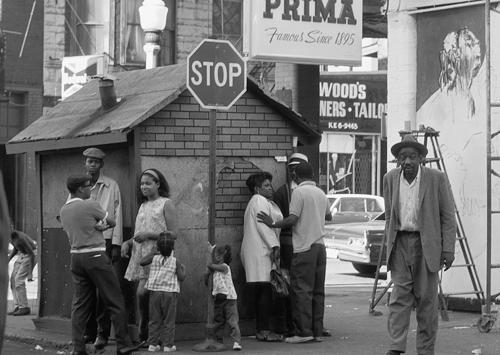
Jan Hestor, Curtiss Brooks and Dr. Philip Hauser discuss racial discrimination in Chicago ; part 5
1965 The discussion of discrimination in metropolitan Chicago continues with Jan Hestor, Curtiss Brooks and Dr. Philip Hauser talking about bigotry, prejudices, open occupancy and education. Included in this part of the interview is an excerpt of 17 year-old Jimmy talking about how his grandmother would rather work than be on welfare.
-

Jack Nelson discusses his book "Hunger for Justice: The Politics of Food and Faith"
Jan. 31, 1980 Discussing the book, "Hunger for Justice: The Politics of Food and Faith," and interviewing the author Jack Nelson.
-

Ira B. Harkey discusses the south, civil rights, race relations, racism, his newspaper, and his career ; part 1
1966 Ira B. Harkey discusses the south, civil rights, race relations, racism, his newspaper, and his career. Includes Ira Harkey reading his writing from his newspaper the Mississippi "Chronicle-Star."
-
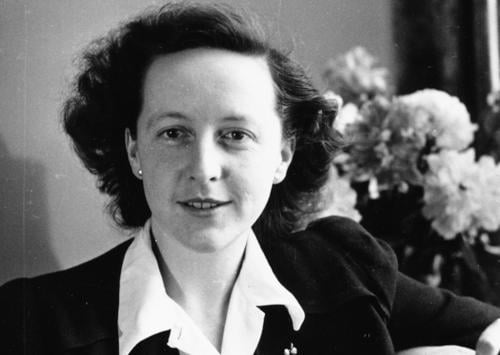
Interview with Lady Barbara Ward Jackson
1960 Discussing her book "Spaceship Earth,"and the ideas of the global village, inequality, and the Adlai Stevenson Institute of International Affairs.
-
Interview with Joe and Susie Haynes
1970 Interviewing with Joe and Susie Haynes while Studs was in Blackey, Kentucky.
-
In conversation with Michael Harrington, author of "The Other America: Poverty in the United States," and Ralph Helstein, a union leader
Feb. 17, 1977 Interviewing Michael Harrington, author of "The Other America: Poverty in the United States," and Ralph Helstein, a union leader.
-
Herbert Kohl discusses Myles Horton and the book "The Long Haul: An Autobiography"
Apr. 5, 1990 Progressive educator Herbert Kohl discusses educator and founder of the Highlander Folk School Myles Horton and the book about him, "The Long Haul: An Autobiography." The book was written by Herbert Kohl and his wife, Judith Kohl.
-
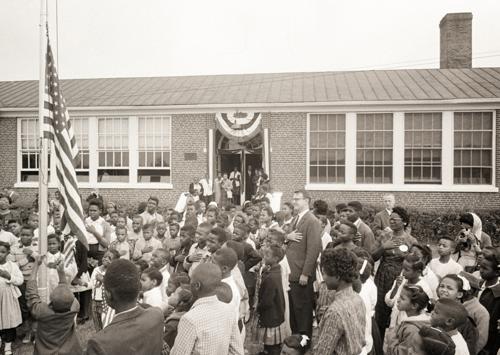
Gregory Coffin and Neil Sullivan discuss civil rights and school integration; part 1
1967 Interviewing school superintendents Gregory Coffin (Evanston) and Neil Sullivan (Berkeley) who discuss school integration and civil rights.
-
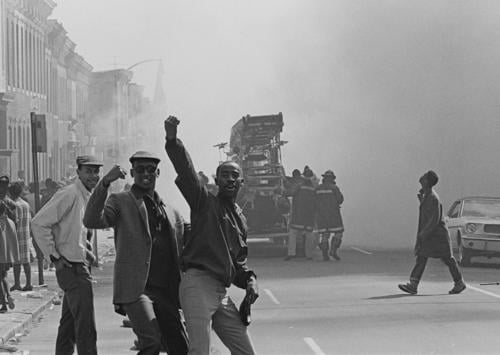
Garrett O'Connor discusses "Reflections in the rubble."
Feb. 1, 1970 Psychiatrist Dr. Garrett O'Connor discusses his article "Reflections in the rubble: some thoughts in the aftermath of civil disorder." Topics of conversation include his experiences working in community clinics with blue collar workers and African Americans; the ways that poverty, racism, and classism are maintained by the American economy; the Martin Luther King, Jr.
-
Frances Moore Lappe in conversation with Studs Terkel
Oct. 13, 1986 Discussing the book "World Hunger: Twelve Myths" (published by Grove Press) with author and world hunger policy analyst Frances Moore Lappe.
-

Elaine Rosenberg discusses the life and career of Edith Piaf
Elaine Rosenberg discusses the life and career of Edith Piaf.
-
Dr. Willard Gaylen discusses his book "Feelings" and how humanity and feelings are connected
Feb. 23, 1979 Dr. Williard Gaylen, a physician and professor of psychiatry at Columbia, discusses how feelings define humanity. He explains that there are no "bad" or "good" feelings, because even anxiety and guilt are strictly human emotions. Dr. Gaylen also talks about how envy is the only useless feeling. Two recordings of people talking about pride and guilt are also played.
-
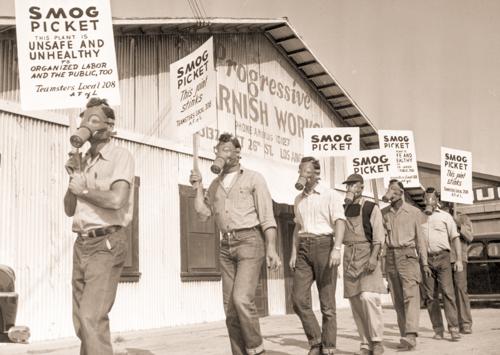
Dr. Bertram Carnow and Bob and Joan Ericksen discuss occupational illnesses and pollution
Nov. 21, 1974 Both Bob and Joan Ericksen ask why is a school being built not only by two highways but right next door to a paint factory. They contend that the paint fumes can't be good for anyone to breath. Instead of asking their patients where they work, Dr. Carnow believes more doctors need to ask, "What do you do?", to determine if they're working with any hazardous materials that may harm their health.
-
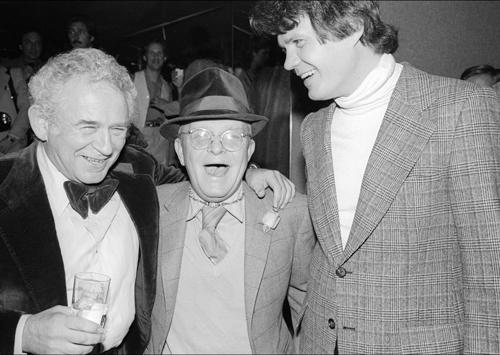
Dotson Rader discusses his book "I ain't marchin'anymore" with Studs Terkel
Feb. 26, 1971 The program starts with a short clip of Studs Terkel interviewing Peggy Terry talking about The Great Depression and American propaganda during Vietnam War. After that clip. Dotson Rader starts to talk about his book "I ain't marchin' anymore"