

-

Joan Didion reads from and discusses her novel "A Book of Common Prayer"
Apr. 7, 1977 Joan Didion describes the main characters Charlotte and Charlotte's ex-husbands, Warren and Leonard of her novel, "A Book of Common Prayer". Didion said she based her novel from the song, "If I Ever Cease to Love You". A fan of Didion, who after reading her novel, made the comparison and asked Didion, "So you knew my ex-husband, too?"
-
Joan Crawford, Robert Louis Shayn, Upper U Girl
Interviewing at the Salisbury Pub with the very "u" girl at the establishment (part 2) with a cleaning lady's reply to the "very 'u' girl" while Studs was in England.
-
Joan Cook discussing her book "In Defense of Homo Sapiens"
Jan. 13, 1975 Joan Cook discusses her book "In Defense of Homo Sapiens" and talks about research done by other scientists working with Chimps and other primates. She explains her stance that not all humans lean towards violence and that nature, not nurture, and the environment creates aggression and violence. The conversation compares economics and Darwinism for a view of humanistic economics.
-
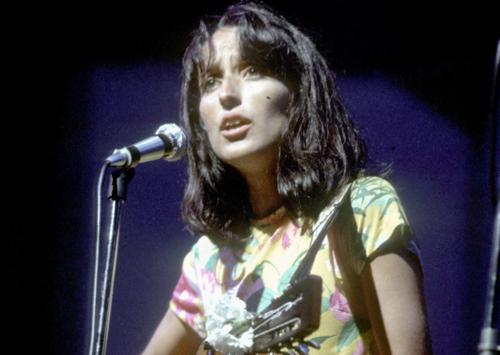
Joan Baez performs and speaks with Studs Terkel
Jul. 11, 1967 Joan Baez speaks with Studs Terkel about role of music and the responsibility of musicians in the specific historical moment of the late '60's.
-
Jo Freeman, Mary Jean Collins-Robson, and Naomi Weisstein discuss women's rights and liberation ; part 2
Mar. 25, 1970 Jo Freeman, Mary Jean Collins-Robson, and Naomi Weisstein discuss women's rights and the struggle for equal rights and liberation, resistance through art, and the fight for free childcare. Discussion continues with criticism on the male gaze and females as sexual objects.
-
Jo Freeman, Mary Jean Collins-Robson, and Naomi Weisstein discuss women's rights and liberation ; part 1
Mar. 25, 1970 Jo Freeman, Mary Jean Collins-Robson, and Naomi Weisstein discuss women's rights and the struggle for equal rights and liberation, Title VII, their support for NOW, the National Organization of Women, as well as the upcoming Women's Strike for Equality.
-
Jimmy Ray discusses his ideal future, music, and concerns with the country; part 1
1968 Jimmy Ray talks about what he would like a future marriage to look like, music he likes and why, and things he worries about in the country; part 1.
-
Jimmy McPartland discusses his music and who has influenced him
Jul. 29, 1975 Studs interviews Jimmy McPartland, Jazz performer. McPartland speaks about his career and his wife, Marian, who is also a Jazz performer. McPartland names southern black artists, Bix Beiderbecke, Louis Armstrong, and Big Spider Back as major influences on his music. All musical numbers are removed from this edited version of the original recording.
-
Jimmy McPartland and Buddy Tate discuss their careers as jazz musicians
Sep. 13, 1977 Jimmy McPartland and Buddy Tate share stories of working with different musicians throughout their career and explain why Kansas City musicians are recognizable from other musicians. Music is played throughout from both of the musicians: "Logan Square"- Jimmy McPartland & Art Hodes, "When I'm Blue"- Buddy Tate, "I'm Coming Virginia"- Jimmy McPartland, "Kansas City Joys"- Buddy Tate, "Singin' the Blues Till My Daddy Comes Home"- Jimmy McPartland, "Tickle Toe"- Buddy Tate, "Riverboat Shuffle"- Jimmy McPartland, "Sunday"- Buddy Tate.
-
Jimmy discusses work ethic and dreams; Carolyn and May Rose discuss daily life, and worries; part 2
1968 Jimmy discusses work ethic and pride. High school students Carolyn and May Rose describe a typical day, future plans and worries. All talk about what the world would look like if they were God. Part 2
-
Jimmy discusses his daily life, his dreams, and worries; part 1
1968 Jimmy talks about how he spends his day, fantasies and daydreams, worries about the future, and family life; part 1.
-
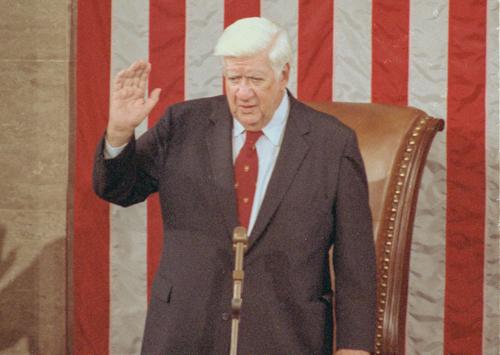
Jimmy Breslin, journalist and author discusses his book about the Watergate Affair
May. 22, 1975 Discussing "How the Good Guys Finally Won : Notes from an Impeachment Summer" and interviewing Jimmy Breslin.
-
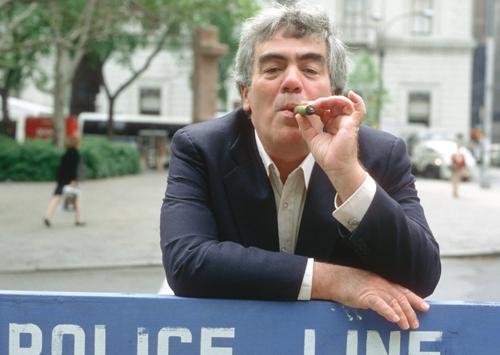
Jimmy Breslin reads from and discusses his novel "Table Money"
1980 "Table Money," is Jimmy Breslin's novel about Owney and Dolores Morrison and their relationships with one another, with God, with the union job in Queens and with the local tavern.
-
-