

-

Studs Terkel comments and presents Fiesta: a Chicago Happening ; part 1
Aug. 23, 1969 Terkel interviews Jose "Cha Cha" Jiménez during a social gathering. He also interviews Brian McCutcheon of the 43rd Ward.
-
Studs Terkel comments and delivers Francis Parker high school commencement address
1968 Terkel comments and delivers Francis Parker high school commencement address
-
Studs Terkel comments about London and random interviews
1968 A compilation of interviews recorded in Britain discussing life, culture, and customs in Britain, part 1.
-
Studs Terkel comments about London and random interviews
1968 A compilation of Studs Terkel comments about Paris, London, and Rome and about his experiences interviewing in Britain; includes interview in France, part 2.
-
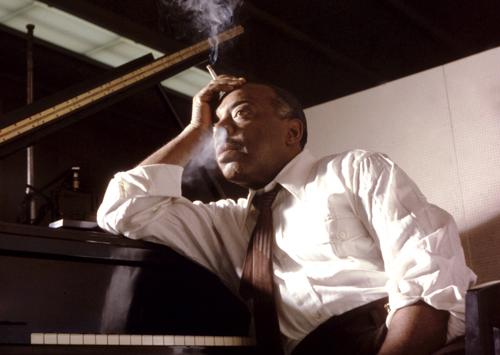
Studs Terkel and William (Bill) Leonard discuss their favorite memories of Frank Holzfeind and the Blue Note Jazz Club in Chicago
Jan. 9, 1975 Studs Terkel and William (Bill) Leonard share memories of the Blue Note Jazz Club as a tribute to Frank Holzfeind. Music is played throughout the episode: "After You've Gone" by the Benny Goodman Sextet, "The Flat Feet Floogie" by Slim and Slam, "How High the Moon" by Sarah Vaughan, "Destination K.C." by Count Basie, "West End Blues" by Louis Armstrong, "Lil' Augie Is A Natural One Man" by Chet Roble, and "Rock Skippin' at the Blue Note", Duke Ellington. Songs have been removed for copyright reasons.
-
-
-
Studs Terkel interviews writer Tom Wolfe ; part 2
Sep. 1, 1968 Studs Terkel and Tom Wolfe discuss Wolfe's recent work. At the time of the interview, Wolfe had recently released "The Electric Kool-Aid Acid Test", his chronicle of Ken Kesey and his colleagues, and a collection of articles, "The Pump House Gang".
-
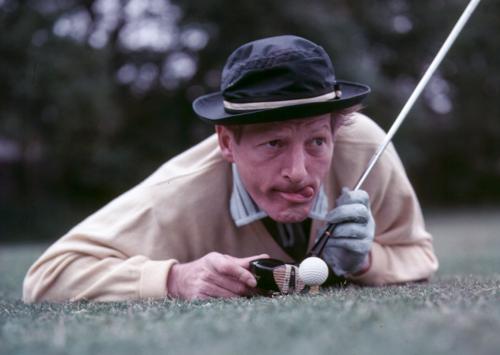
Studs talks with versatile actor, singer, performer Danny Kaye
Mar. 8, 1963 Studs talks with versatile actor, singer, performer Danny Kaye who opens up about his worldwide appeal to children and adults alike, relating to children on their terms, his father's influence, the skills and work that go into his crafts, and much more. Kaye reveals his lack of musical training yet details his comic conducting talents ala Victor Borge via his charity work. The conversation continues with talk of his variety show performances, his fondness for Señor Wences, the medium of television, and his knack for dialects.
-
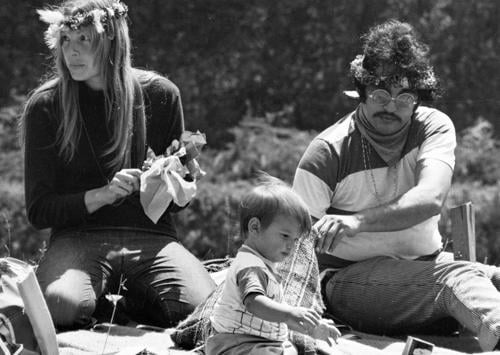
Studs talks to people on the street and in Lincoln Park at the Be-In on Mothers Day 1967; part 1
May. 14, 1967 Studs Terkel spends time walking around the Lincoln Park Be-In Mother's Day, 1967. He talks to people of all walks of life and generations. The question, "What is a Be-In?" is posed to all he talks to.
-
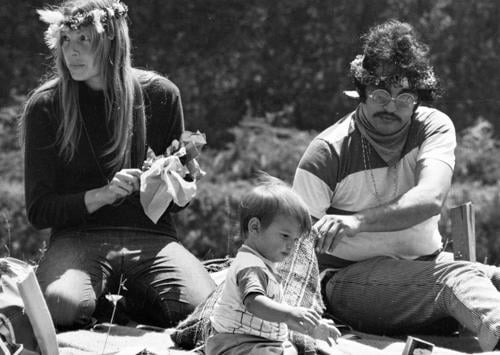
Studs talks to people on the street and in Lincoln Park at the Be-In on Mothers Day 1967 ; part 2
May. 14, 1967 Studs Terkel spends time walking around the Lincoln Park Be-In Mother's Day, 1967. He talks to people of all walks of life and generations. The question, "What is a Be-In?" is posed to all he talks to.
-
Studs presents program reflecting on President Roosevelt's death
Apr. 11, 1975 Terkel presents program reflecting on individuals' recollection of the day that FDR died and the former President's legacy among younger Americans.
-
Studs Presents Joy Street V: Interview with Hans Mattick, Earl Dotty and John Ray
1965 The most common theme of this program has been the contrast between the hopes and hopelessness that these westside teenagers have confided in Studs for use of the program. Now installment number five of this six part series features Studs’ interview with three very important adults. Director of Chicago Youth Development Hans Mattick, his associate Earl Dotty, and their project manager John Ray.
-
Studs Presents Joy Street II: Portrait of an Outsider as a Young Man ; part 2
1965 In part two of the six part series Joy Street, Studs focuses on the life of one particular young man. Eighteen year old Jimmy shares with Studs his daily routine, his triumphs and tragedies, and what he would hope to accomplish during his life, if he ever gets that chance.
-
Studs Presents Joy Street II: Portrait of an Outsider as a Young Man ; part 1
1965 In part two of the six part series Joy Street, Studs focuses on the life of one particular young man. Eighteen year old Jimmy shares with Studs his daily routine, his triumphs and tragedies, and what he would hope to accomplish during his life, if he ever gets that chance.