

-

David Lewis discusses Canadian culture and politics
Nov. 12, 1976 David Lewis, Canadian politician, discusses Canada's domestic and foreign affairs, including their relationship with America. He also spends some time talking about Canadian socialism including universal health insurance.
-
David Hockney discusses his career and his recent work with the Lyric Opera
Jan. 20, 1992 When looking at the set design, David Hockney, doesn’t want the viewer to see a tree but to see “tree-ness”. A true fan of music, but Hockney reveals that he is unable to paint if there’s music playing in the background. Hockney said it’s important to stay for more than opening night of “Turandot”. To see the opera on different nights, from different seats in the audience, allows him to make his current work and/or future work better. Program also includes an excerpt of an interview with British poet Stephen Spender 4:56 to 5:51.
-
David Hockney discusses his book "Cameraworks"
Dec. 3, 1984 According to David Hockney, all photographs have perspective in them. With pictures, there is no time and there are no close ups, said Hockney. As for a picture on the television, Hockney said a picture of grief stricken poverty can bring on an emotional toll but then because the next picture of image appears, we immediately forget about the poverty image.
-
David Hernandez in conversation with Studs Terkel
Nov. 11, 1991 Interviewing poet David Hernandez.
-
David Hamlin discusses his book, "The Nazi/Skokie Conflict: A Civil Liberties Battle"
Mar. 5, 1981 David Hamlin, author and former Executive Director of ACLU, discusses his book "The Nazi/Skokie Conflict: A Civil Liberties Battle." Hamlin talks about Frank Collin, a jewish man turned leader of American Nazi Party leader and the court battle over the right to demonstrate in Skokie, Illinois. He also talks about the retaliation against the ALCU for defending Collin's case in court. At the end of the interview, Hamlin gives some advice on how to deal with people like Frank Collin.
-
David Halberstam discusses his book, "The Fifties"
Jun. 11, 1993 David Halberstam, writer and historian, talks about his book, "The Fifties." The conversation includes Brown v. Board of Education, atomic weapons, the Cold War, the Korean and Vietnam Wars, consumerism, birth control, suburbs, television and the start of the counterculture. Halberstam reads several passages from his book.
-
David Halberstam discusses his book "The Best and the Brightest"
Nov. 17, 1972 Members of John F. Kennedy's administration are featured in David Halberstam's book, "The Best and the Brightest." Halberstam points out the irony of the title, as some in the administration may not have been the best or the brightest. As a result of their bad decisions, America got tangled up in the Vietnam War.*Please note: some sections have been edited out from the original recording due to copyright considerations
-
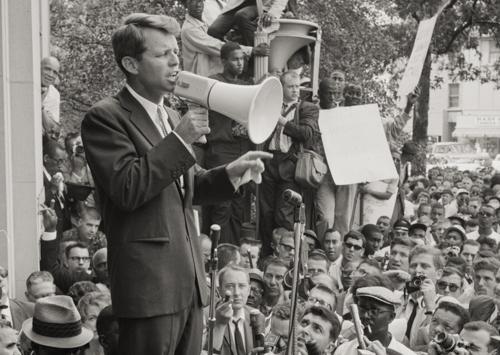
David Halberstam discusses Bobby Kennedy
1969 Discussing Bobby Kennedy and interviewing David Halberstam.
-
David Douglas Duncan discusses his career in photojournalism
1970 David Duncan Douglas traveled all over the world. Douglas' goal was to show the honesty of a person when taking his/her photograph. Taking pictures started out as a hobby for Douglas. He had captured some pictures of John Dillinger, but admitted that he didn't know who Dillinger was at the time.
-
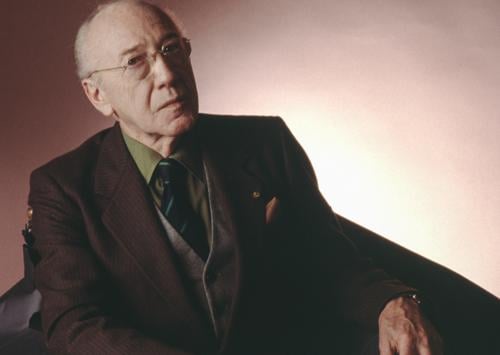
David Diamond discusses his training, influences and work as a classical composer
May. 28, 1975 Studs interviews David Diamond who is in Chicago for a concert at Thorn Hall. Diamond reflects on his family background and his exposure to diverse theater and movies of a variety of cultures that influenced his music. He explains his training and how he uses emotion and then structure to create his work. Studs and David discuss McCarthyism and its affect on performers and the personal affect it had in Diamond's life. The musical pieces are removed from this edited version of the original recording.
-
David Brokensha discusses African literature and writers ; part 2
Dec. 19, 1960 David Brokensha discusses African literature and writers. Brokensha also discusses African culture. David Brokensha reads an excerpt from "The Dark Child" by Camara Laye.
-
David Brokensha discusses African literature and writers ; part 1
Dec. 19, 1960 David Brokensha discusses the books "The Palm Wine Drinkard" by Amos Tutuola, "Things Fall Apart" by Chinua Achebe, and "The Dark Child" by Camara Laye. David Brokensha reads excerpts from "The Palm Wine Drinkard" and "The Dark Child".
-
-
David Attenborough discusses the book and television documentary "Life On Earth"
Oct. 29, 1981 Biologist, natural historian, and author David Attenborough discusses his book and upcoming television series “Life on Earth.” The book, show, and this interview focus on discussing the evolution of life.
-
David Amram and Steve Goodman discuss folk music
Jan. 3, 1976 David Amram and Steve Goodman, composers and performers of popular music and folk music, discuss writing and creating music together.