

-
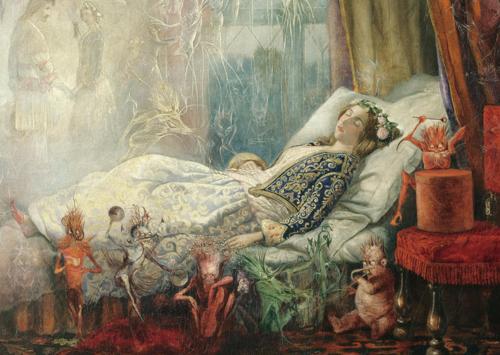
Studs discusses dreams and computers with Dr. Christopher Evans
1969 Studs discusses dreams, consciousness and computers with psychologist, computer scientist, and author Dr. Christopher Evans. Topics of conversation include the need for humans to dream, contemporary research on sleep and rest, and computer technology. Dr. Evans draws analogies between the behavior of the sleeping and dreaming human brain and the functions of modern computers.
-

Martha Weinman Lear discusses her book "Heart Sounds"
Apr. 8, 1980 Lear's husband is a doctor who has heart failure, and together, the couple deals with the medical professionals who make errors and who get angry when a second opinion is requested. Nothing prepared Lear for the utter helplessness and rage that she experienced.
-
Leon DesPres, Quentin Young, and Bob Volen discuss being spied upon by the police and the FBI
Mar. 30, 1978 Leon DesPres, Quentin Young, and Bob Volen discuss being spied upon by the Police and the FBI. They discuss the nature of spying, protests, and lawsuits. Includes the song "Die Gedanken Sind Frei" sung at the end.
-
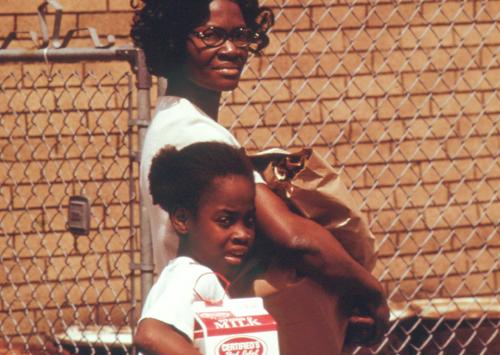
Jean Komaiko and Dr. Quentin Young discuss hunger in Chicago
Feb. 6, 1969 Joan Komaiko saw there were kids who could buy cartons of milk for four cents and the other kids who couldn't afford the milk, sat and watched the ones who drank the milk. Komaiko wrote a letter to the school board pointing out how kids couldn't do well at school because they were sent to school hungry. Dr. Quentin Young explained that the government needs to provide the children with breakfast and lunch at the schools because those two meals were probably the only meals children would receive that day.
-

James Comer and Alvin Poissaint talk with Studs Terkel
Aug. 5, 1975 James Comer and Alvin Poissaint discuss their book " Black Child Care: How to Bring Up A Healthy Black Child In American - A Guide to Emotional and Psychological Development". They discuss raising a Black child in America in the 1970's, amid racism. Clip played of Odetta "All the Pretty Little Horses"(Studs Terkel Archive WAV ID 1853133-3-1)
-
Interview with Gabriel Fielding
1969 The English novelist began his writing career after having established a medical practice in Kent. Here, he discusses his time in the Royal Army Medical Corps as well as his careers in medicine, literature, and academia.*Please note: some sections have been edited out from the original recording due to copyright considerations
-
-
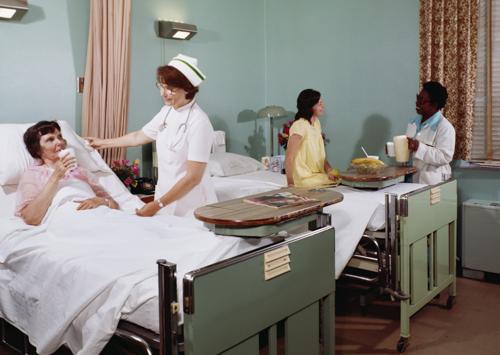
Drs. Quentin Young, Lambert King and Robert Maslansky discuss public hospitals in the United States
Apr. 26, 1976 Drs. Quentin Young, Lambert King and Robert Maslansky discuss public hospitals in the United States. Young is the chairman of the Department of Medicine at Cook County Hospital, King is the medical director of Cermak Memorial Hospital, and Maslansky is the director of medical education at Cook County Memorial Hospital.
-
Dr. Willard Gaylen discusses his book "Feelings" and how humanity and feelings are connected
Feb. 23, 1979 Dr. Williard Gaylen, a physician and professor of psychiatry at Columbia, discusses how feelings define humanity. He explains that there are no "bad" or "good" feelings, because even anxiety and guilt are strictly human emotions. Dr. Gaylen also talks about how envy is the only useless feeling. Two recordings of people talking about pride and guilt are also played.
-
Dr. Theodor Rosebury discusses his book "Microbes and Morals" and the cultural history of communicable diseases and infections
1970 Dr. Theodor Rosebury discusses the history and myths of communicable and sexually transmitted infections, how they are represented in media, and the impact of shame.
-
Dr. Theodor Rosebury discusses his book "Life on Man"
1969 Dr. Theodor Rosebury dissects cultural ideas around cleanliness and shame as presented in his book "Life of Man".
-
Dr. Samuel Epstein reads from and discusses his book, "The Politics of Cancer"
Nov. 18, 1978 Making people aware that toxic chemicals in our everyday lives can cause cancer has been one of Dr. Samuel Epstein’s main goals. According to his book, “The Politics of Cancer,” the government really won’t step in until there is a public outcry.
-
Dr. Sam Borushek discusses health conditions of Guatemalan indigenous groups
Aug. 25, 1971 Dr. Sam Borushek discusses his time as a doctor serving the indigenous groups in Guatemala, especially regarding the preventable health issues of the indigenous people.
-
Dr. Linda Murray and Dr. Quentin Young talks about Cook County Public Hospital and the dynamic of public hospitals around the country
Jan. 10, 1979 Interview with Dr. Linda Murray and Dr. Quentin Young which discusses how closing public hospitals can affect minorities and less privileged communities. Also talks about the expectations of medical students and the dynamics of medical school.
-
Dr. George Crile, Jr. discusses his book "Surgery"
Oct. 27, 1978 With regards to surgeries, patients must ask questions. In his book, "Surgery: Your Choices, Your Alternatives," Dr. George Crile Jr. warns of undergoing a surgery if it's truly not warranted. Crile's most important piece of advice to patients is to always remember that with any surgery, death is a real possibility, should there be a complication.*Please note: some sections have been edited out from the original recording due to copyright considerations