

-
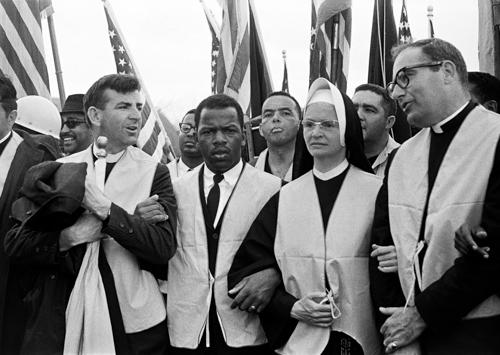
John A. McDermott and Sister Mary Peter discuss Catholic Church's Participation in Civil Rights Movement
Sep. 15, 1965 John A. McDermott and Sister Mary Peters discuss Catholic Church's Participation in Civil Rights Movement. Includes interview with unknown Catholic man opposed to nuns' and priests' involvement. Includes song "It Isn't Nice" by Judy Collins.
-
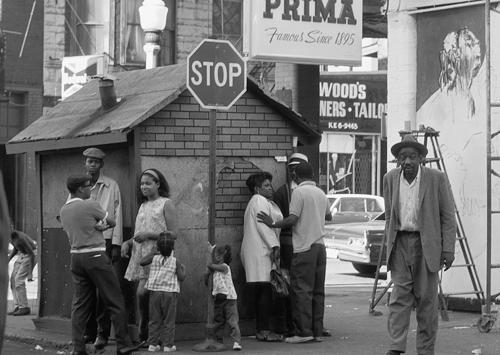
Jan Hestor, Curtiss Brooks and Dr. Philip Hauser discuss racial discrimination in Chicago ; part 5
1965 The discussion of discrimination in metropolitan Chicago continues with Jan Hestor, Curtiss Brooks and Dr. Philip Hauser talking about bigotry, prejudices, open occupancy and education. Included in this part of the interview is an excerpt of 17 year-old Jimmy talking about how his grandmother would rather work than be on welfare.
-

-
Horace Cayton discusses is book "Long Old Road" ; part 3
Sep. 7, 1966 Content Warning: This conversation includes racially and/or culturally derogatory language and/or negative depictions of Black and Indigenous people of color, women, and LGBTQI+ individuals. Rather than remove this content, we present it in the context of twentieth-century social history to acknowledge and learn from its impact and to inspire awareness and discussion.
-
Horace Cayton discusses his book "Long Old Road" ; part 2
Sep. 7, 1966 Content Warning: This conversation has the presence of outdated, biased, offensive language. Rather than remove this content, we present it in the context of twentieth-century social history to acknowledge and learn from its impact and to inspire awareness and discussion. Loneliness and hardships of both fitting in and finding a job are covered in the continuation of Horace Cayton's, "Long Old Road: An Autobiography." By living in a middle class home in Seattle with a full time Japanese servant, Cayton was seen as better off than most people.
-
Horace Cayton discusses his book "Long Old Road" ; part 1
Sep. 7, 1966 Content Warning: This conversation includes racially and/or culturally derogatory language and/or negative depictions of Black and Indigenous people of color, women, and LGBTQI+ individuals. Rather than remove this content, we present it in the context of twentieth-century social history to acknowledge and learn from its impact and to inspire awareness and discussion. In "Long Old Road: An Autobiography," Horace Cayton talks about growing up in Seattle in a well to do, mostly white neighborhood. Cayton's grandfather was the first Black man elected to the U.S.
-
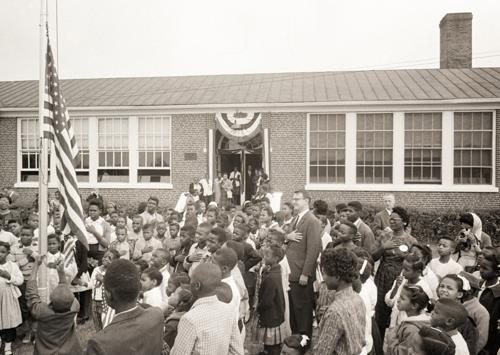
Gregory Coffin and Neil Sullivan discuss civil rights and school integration; part 2
1967 Interviewing school superintendents Gregory Coffin (Evanston) and Neil Sullivan (Berkeley) who discuss school integration and civil rights.
-
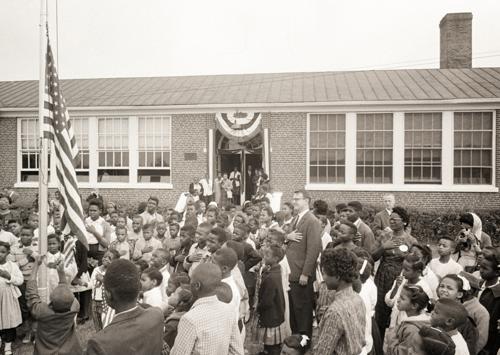
Gregory Coffin and Neil Sullivan discuss civil rights and school integration; part 1
1967 Interviewing school superintendents Gregory Coffin (Evanston) and Neil Sullivan (Berkeley) who discuss school integration and civil rights.
-
Gloria Wade-Gayles discusses her book “Pushed Back to Strength: A Black Woman’s Journey Home”
Dec. 3, 1993 Author and poet Gloria Wade-Gayles discusses and reads from her book “Pushed Back to Strength: A Black Woman’s Journey Home,” a collection of essays about race, faith, and family. She discusses how the title of the book was inspired by a phrase her grandmother used to say in which she acknowledges how segregation was pushing her back to her family, to community; pushing her back to strength, stories, ritual, and safety. Studs plays “God Bless the Child” - Billie Holiday (1956), "Wade In The Water" - Brother John Sellers (1960), and "Medley of Spiritual" - Belleville A Cappella Choir.
-
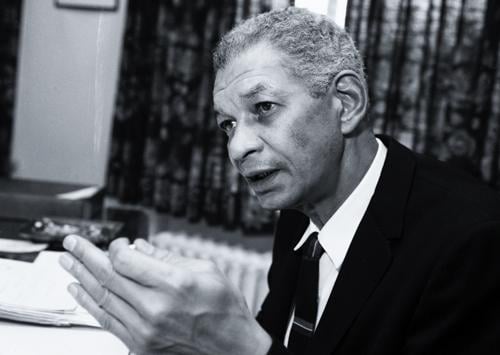
Edwin C. Berry (Bill) discusses civil rights. Part 2
1968 Interviewing civil rights activist Edwin C. "Bill" Berry. Part 2
-
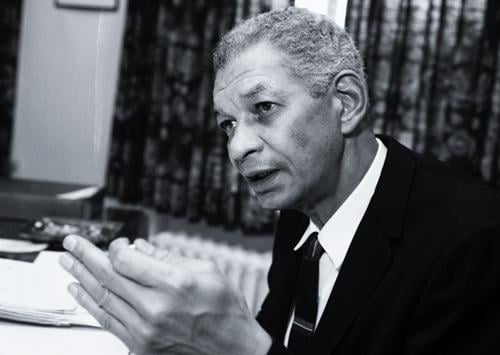
Edwin C. Berry (Bill) discusses civil rights. Part 1
1968 Interviewing civil rights activist Edwin C. "Bill" Berry. Part 1.
-
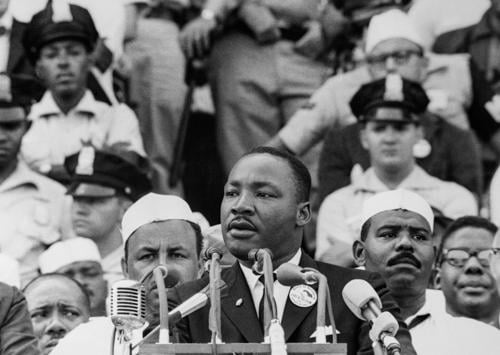
Dr. Martin Luther King Jr. discusses civil rights in regards to his "I Have a Dream" speech
Oct. 22, 1964 Studs Terkel interviews Dr. Martin Luther King Jr. at the home of gospel singer Mahalia Jackson. They discuss King's "I Have a Dream" speech that he made in 1963, at the foot of the Lincoln Memorial. At the end of the program there are various gospel music selections featuring Jackson and others.
-
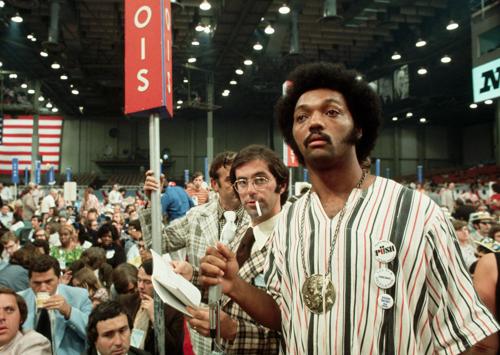
Barbara Reynolds discusses her book "Jesse Jackson, the Man, the Movement, the Myth"
May. 27, 1975 Discussing "Jesse Jackson, the Man, the Movement, the Myth" and interviewing the author Barbara Reynolds.
-
Arna Bontemps and Jack Conroy discuss their book "Any Place But Here"
1960 Discussing the book "Any Place But Here" and interviewing the authors Arna Bontemps and Jack Conroy.Content Warning: This conversation has the presence of outdated, biased, or offensive language. Rather than remove this content, we present it in the context of twentieth-century social history to acknowledge and learn from its impact and to inspire awareness and discussion.
-
Anne Guerrero discussing event in her life ; part 2
1968 Anne Guerrero discusses the impact her divorce has had on her younger children. She also discusses her own career and her future plans as well as her connection to the Roman Catholic Church. This recording ends abruptly and is part 2 of 3.