

-

Tribute to musician Carl Turner.
Jan. 4, 1988 Tribute to Carl Turner
-
Thomas Wikman discusses Music of the Baroque
Apr. 22, 1976 Thomas Wikman discusses Music of the Baroque with Studs Terkel. They also discuss composers, musical talent in Chicago, musical instruments, opera, and the history of Baroque music.
-
Thomas Wikman discusses Baroque music and its rise in history
Jun. 30, 1982 Studs interview with Thomas Wikman about MOB (Music of Baroque). Wikman shares historical details of the rise of Baroque music. Studs and Wikman discuss various Baroque pieces and the instruments used. Wikman describes various pieces of his work and members of his group. They discuss Baroque composers, and Wikman describes how acoustics play a role in their music selections for live performances. Studs also explores Wikman's childhood and influences to his music.
-
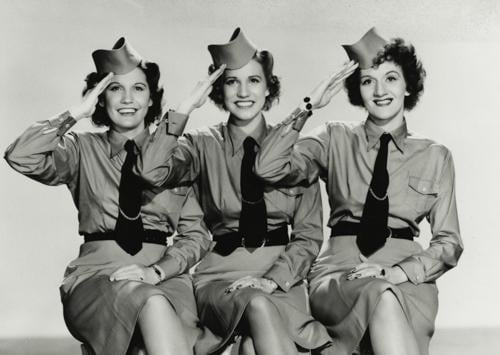
Terkel interviews Maxene Andrews of The Andrews Sisters
Aug. 23, 1982 Maxene Andrews reminisces over Andrews Sisters songs with Studs Terkel. She acknowledges the heavy influence the Boswell Sisters played in the creation of their image. She relays musical stories surrounding songs in Abbott and Costello such as "Bugle Boy" from their movie "Buck Privates". How they found the song "Mir Bist Du Schon" and Sammy Cahn and Saul Chaplin helped with the lyrics. How song pluggers brought The Andrews Sisters "Tip-Pi-Tin". How "Apple Blossom Time" helped an injured soldier at Oak Knoll Hospital upon his return to the states.
-
Terkel interviews Jim Beebe and presents trombone music
Jan. 5, 1983 Presenting trombone music and interviewing trombone player Jim Beebe.
-
Terkel comments and presents Mozart's Birthday program.
Jan. 25, 1974 Presenting Mozart's Birthday program.
-
Talking music, with George T. Simon
Dec. 7, 1979 The American jazz writer and historian shares stories of the lives, careers, and personalities of some of the most popular performers of the 20th Century in his book, The Best of the Music Makers.*Please note: some sections have been edited out from the original recording due to copyright considerations
-
Sybil Thorndike in conversation with Studs Terkel
Jun. 9, 1976 Presentation of music with Sybil Thorndike
-
Studs Terkel discusses, through music, inventions that made the lives of men and women easier
Jun. 10, 1988 Songs include "Hello, Frisco" sung by Sam Ash and Elida Morris; "He'd Have to Get Under - Get Out and Get Under (To Fix Up His Automobile)" sung by Will Halley; "Come Josephine in my Flying Machine" sung by Blanche Ring; "Jay Gould's Daughter" sung by Ed McCurdy; "Mr.
-
Studs Terkel discusses "The Man Who Mistook His Wife For a Hat and Other Clinical Tales" with Oliver W. Sacks
Mar. 3, 1986 Oliver Sacks sits down with Studs Terkel to discuss aspects of "other clinical tales" from his book "The Man Who Mistook His Wife for a Hat and Other Clinical Tales". Sacks discusses the important role played by the visual arts, music, drawing and math in the lives of people suffering from autism, Parkinson's disease, and mental challenges. He also discusses the repercussions and loss of unique abilities to make patients more socially acceptable.
-
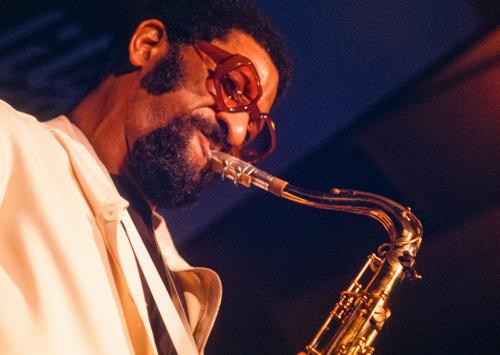
Sonny Rollins discusses his career
Oct. 16, 1978 Studs Terkel comments on baseball, baseball player Sam Crawford, comedian Spike Milligan, and interviews jazz musician Sonny Rollins. Includes a voice clip of baseball player Sam Crawford.
-
Singer Tony Bennett pays tribute to Irving Berlin
May. 10, 1989 On the eve of Irving Berlin's 101st birthday, both Studs Terkel and Tony Bennett talk about his album, "Bennett/Berlin," which is Bennett's tribute to Irving Berlin. When talking about his 90th album, Bennett explained none of Berlin's songs are dated. When asked about his own career, Bennett explained that he's learned more from his failures than he's learned from his successes.
-

Singer and songwriter Judy Collins discusses her early life and career
Jul. 12, 1963 Judy Collins converses with Studs about her early life and her career as a singer of folk music. The following songs are played throughout the interview: "Lark in the Morning;" "The Great Silkie of Sule Skerry;" "Pretty Saro;" "Song of the Wandering Aengus," Yeats, W.B. read by Cyril Cusak; "Golden Apples of the Sun," Yeats, W.B./Edmonson, Travis; "The Bold Fenian Men," Kearney, Paedar; "The Ballad of the Carpenter," MacColl, Ewan; and "The dove." Traditional/MacColl, Ewan.
-
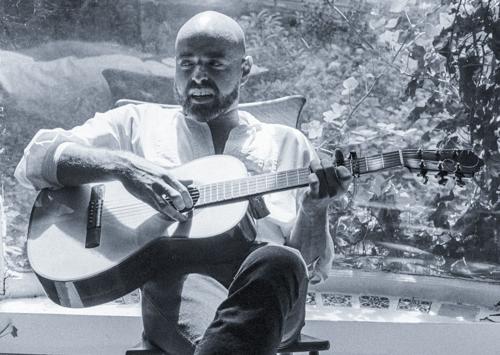
Shel Silverstein discusses his books, children's literature, and art; part 2
Nov. 20, 1961 Shel Silverstein discusses his books and children's literature, and art. Shel Silverstein discusses his contemporaries, art, and life experiences.
-
Reading short stories and poems and music
Feb. 6, 1991 Reading short stories and poems