

-

Basil Davidson discusses Africa and his book "Lost Cities of Africa," part 1
British historian and writer Basil Davidson discusses Africa and his book "Lost Cities of Africa." Part 1. Part two of this recording also features Anne Graham Bell and Tony Mott discussing London's youth while Studs was in England. They are not included here, in part 1.
-
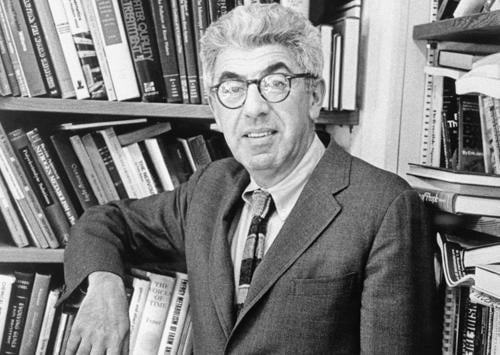
Barry Commoner discusses his book "The Poverty of Power: Energy and the Economic Crisis"
May. 20, 1976 Biologist and author Barry Commoner discusses his book "The Poverty of Power: Energy and the Economic Crisis."
-
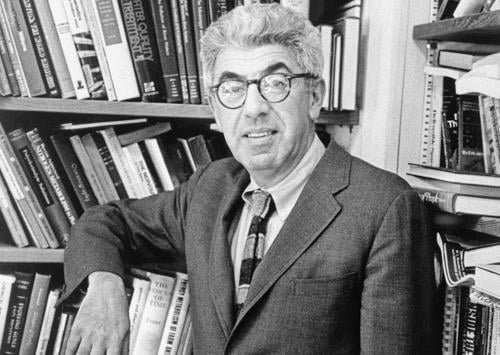
Barry Commoner discusses his book "The Politics of Energy"
Jun. 18, 1979 Scientist and educator Dr. Barry Commoner discusses his book "The Politics of Energy." Main topics include nuclear energy, solar energy, renewable energy and the future of energy.
-
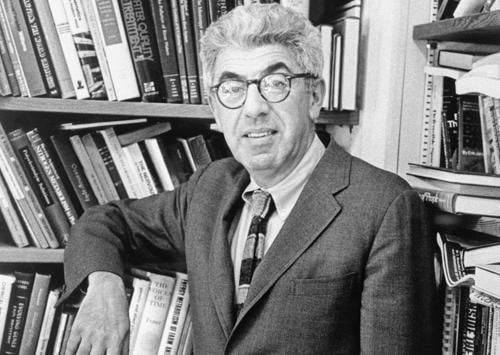
Barry Commoner discusses his book "Making Peace with the Planet"
Apr. 12, 1990 According to Barry Commoner's book, "Making Peace with the Planet," we, as the human species, are in and are witnessing a war between the ecosphere and the technosphere. Commoner explains that today's cars emit a lot of smog into the big cities. Trucks move consumer goods from place to place, using four times more fuel than trains. Everyone should ask themselves what is their interest in the quality of the environment and that of nature.
-
Barbara Kingsolver discusses her book "Holding the Line: Women in the Great Arizona Mine Strike of 1983"
Sep. 17, 1990 Since no men were allowed to picket against the Phelps Dodge Corp., Mexican American women showed up and according to Kingsolver’s book, “Holding the Line,” the picket lines were a brand new experience for the women. Some of the women had to get their husbands’ permission to picket. The group of women found their lives transformed not only with their cause but with new bonds of friendship from the other women.
-
Barbara Kingsolver discusses her book "Animal Dreams: A Novel"
Sep. 17, 1990 Barbara Kingsolver reads from and discusses her book, "Animal Dreams: A Novel." The main character, Codi, has returned to Grace, Arizona, to help her father, Doc Homer, with his bout of Alzheimer's. Kingsolver explained that the novel not only has flashbacks but that it's really about people's memories.
-
Barbara Garson discusses her book "The Electronic Sweatshop"
Jun. 16, 1988 According to Barbara Garson's book, "The Electronic Sweatshop: How Computers are Transforming the Office of the Future into the Factory of the Past," companies are trying to make jobs so simple, as a result, kids in jobs are as replaceable as paper plates. Some companies don't want their employees to have to think but rather they need them to push buttons on machinery to get jobs accomplished.
-
Barbara Ehrenreich discusses her book "Fear of Falling: The Inner Life of the Middle Class"
Sep. 18, 1989 Discussing the book "Fear of Falling: The Inner Life of the Middle Class" (published by Pantheon) with the author, political essayist Barbara Ehrenreich.
-
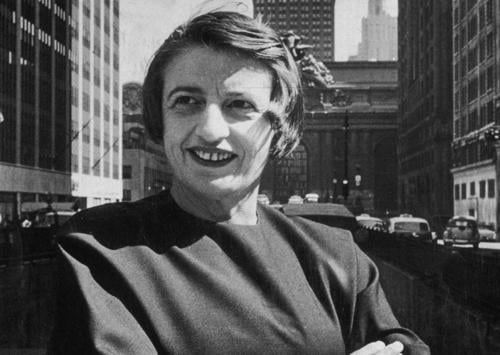
Barbara Branden discusses "The Passion of Ayn Rand"
Aug. 26, 1986 Discussing "The Passion of Ayn Rand" (published by Doubleday) with the author Barbara Branden.
-
Barbara and Betty Underwood discuss their book “Hostage to Heaven”
Nov. 15, 1979 Barbara and Betty Underwood, authors of the book “Hostage to Heaven,” discuss Betty’s involvement with Sun Myung Moon and the Unification Church.
-
-
-
Authors Louise Erdrich and Michael Dorris discuss "Tracks: A Novel"
Sep. 16, 1988 Living in the past and the present, Native American Indians and Catholicism are all parts of Louis Erdrich's book, "Tracks: A Novel." Both Michael Dorris and Erdrich have Native American Indian backgrounds. The husband and wife team also talk about how they take long walks with one another and discuss with each the ideas of future books and the books' characters.
-
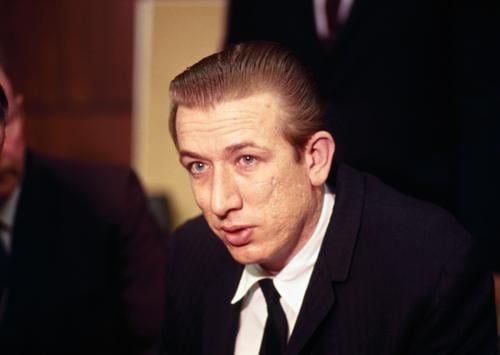
Authors Jack Altman and Dr. Marvin Ziporyn discusses their book "Born to Raise Hell"
1967 Richard Speck, the man who murdered eight student nurses in 1966, is the topic of Jack Altman's and Dr. Marvin Ziporyn's book, "Born to Raise Hell: The Untold Story of Richard Speck -- The Man, The Crime, The Trial". Altman saw Speck's public and private image as being quite different. When asked to smile for the cameras, Speck obeyed authority and was labeled a monster by the press when in reality, he blocked out the murders and was disgusted by his actions. Dr. Ziporyn sees this murderous violence as a disease and not as a monster as the press portrayed it.
-
Author Ronald Steel discusses his book "Walter Lippmann and the American Century."
Nov. 1981 Ronald Steel goes in-depth about his biography of journalist Walter Lippman.