

-

Professor William J. Fishman discusses his book "The Streets of East London"
Oct. 5, 1982 Professor William J. Fishman explores topics from his book “The Streets of East London.” He discusses Cockney culture, poverty, labor, and history in East London.
-
Professor Adolph Baker, Jurgen Hinze, Professor Richard Lewenton and Father William Wallace discuss science and politics; part 1
Jan. 12, 1971 Professors Adolph Baker, Jurgen Hinze, Richard Lewenton, and Father William Wallace discuss science and politics. The four professors explore question such as whether scientists be involved in political decisions. World War II and Vietnam War are used as examples by the scientists. An earlier interview with scientists Edward Teller and Albert Szent-Gyorgy is played.
-
Paul Fussell in conversation with Studs Terkel
Discussing the book "BAD, or, The Dumbing of America" (published by Summit Books) with author Paul Fussell.
-
Paul Cowan discusses his book "An Orphan in History"
Jan. 7, 1983 Discussing the book "An orphan in history: retrieving a Jewish legacy" with the author Paul Cowan.
-
Paul Boyer discusses his book "By the Bomb's Early Light"
Jan. 9, 1986 In the book, "By the Bomb's Early Light: American Thought and Culture at the Dawn of the Atomic Age," Paul Boyer covers people's feelings and attitudes after the bomb was dropped in Hiroshima. Boyer admits he, himself, when he was a young boy, he sent away for a free atomic ring that was being advertised. The program includes an excerpt of David Lilienthal talking.
-
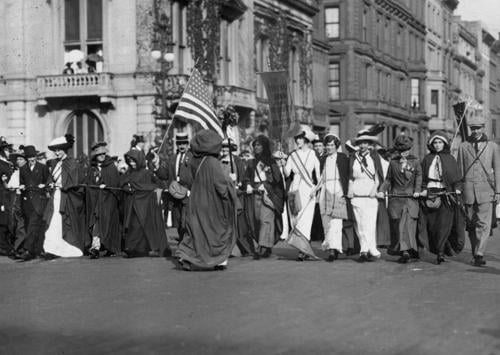
Paul Angle, historian and writer, and Win Stracke, folk musician, discuss "Crossroads: 1913," part 3
Jul. 1, 1963 Paul Angle discusses his book "Crossroads: 1913," and Win Stracke provides a musical review. The three gentlemen talk in depth about the book with live and recorded music interspersed. Music: "Water--Oh!, Water For Me" and "The Rosary." "The Voice of Vienna" (a waltz).
-
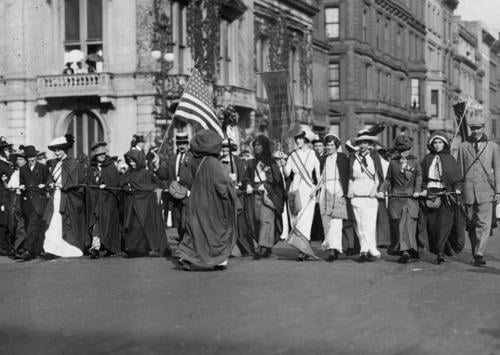
Paul Angle, historian and writer, and Win Stracke, folk musician, discuss "Crossroads: 1913," part 2
Jul. 1, 1963 Paul Angle discusses his book "Crossroads: 1913," and Win Stracke provides a musical review. The three gentlemen talk in depth about the book with live and recorded music interspersed. Songs include: "Casey Jones - The Union Scab," "Sweet Adeline," "We Shall Overcome," "Oh, Dear, What Can the Matter Be," and "Immortality" by William Jennings Bryan (1908).
-
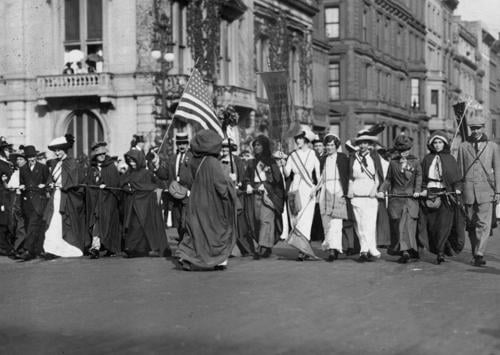
Paul Angle, historian and writer and Win Stracke folk musician discuss "Crossroads: 1913," ; part 1
Jul. 1, 1963 Paul Angle, director of the Chicago Historical Society, discusses his new book "Crossroads: 1913." Win Stracke, musician, provides a musical review of Angle's book.
-
P. David Finks discusses his book "The Radical Vision of Saul Alinsky"
Sep. 7, 1984 Before he became an author, P. David Finks was a priest and he met Saul Alinsky in Rochester in 1964. Finks' book, "The Radical Vision of Saul Alinsky," covers Alinsky's plans of reorganizing community groups and being an outsider agitator. Alinsky, explained Finks, knew the importance of getting people involved. Two excerpts of interviews with Saul Alinsky are included.
-
-
Martin Duberman discusses his book "Paul Robeson"
Feb. 28, 1989 Martin Duberman, historian and biographer, discusses his latest work which focuses on the singer, actor, and political activist Paul Robeson. Robeson was known for his performance in Showboat and Emperor Jones.
-
Martin Broszat discusses Germany
1967 Interviewing historian Martin Broszat while visiting Munich, Germany at the Institute of Contemporary History(Institut für Zeitgeschichte). They discuss National Socialism(Nazism) in German & European History between World War I and World War II. As well as a brief discussion of the Neo-Nazi Movement in the 1960's in Germany.
-
Martin Bernal discusses Chinese politics and history
Interviewing Martin Bernal, British scholar of Chinese political history. He discusses various aspects of Chinese history, including the Cultural Revolution, communism, and Chairman Mao.
-
-
Marc Pachter discusses his book "Abroad in America"
Jul. 21, 1976 Europeans' opinions about their visits to America - this is the premise of Marc Pachter's book, "Abroad in America: Visitors to the New Nation, 1776-1914." According to Pachter, some people thought America was a moral society but that our manners were dreadful. Charles Dickens liked Boston but thought there were no rules in American society. He also despised the adulation that he received when he first visited.*Please note: some sections have been edited out from the original recording due to copyright considerations