

-
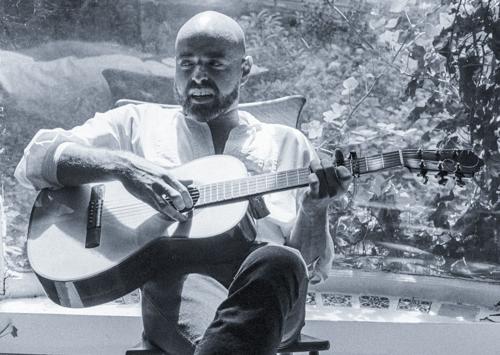
Shel Silverstein discusses his books, children's literature, and art; part 2
Nov. 20, 1961 Shel Silverstein discusses his books and children's literature, and art. Shel Silverstein discusses his contemporaries, art, and life experiences.
-
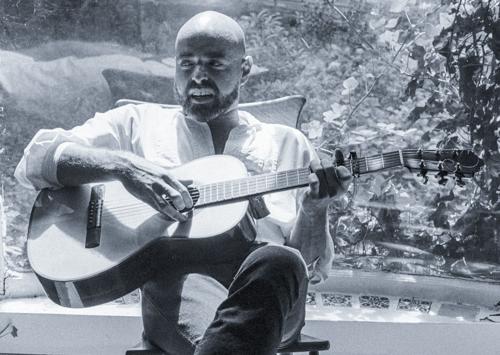
Shel Silverstein discusses his books, children's literature, and art; part 1
Nov. 20, 1961 Shel Silverstein discusses his books "Lafcadio: The Lion Who Shot Back" and "Uncle Shelby's ABZ Book".. Shel Silverstein discusses his books, children's literature, and cartoonists.
-
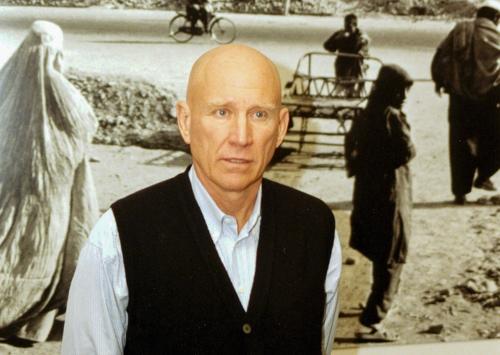
Sebastiao Salgado discusses the book "Workers: An Archaeology of the Industrial Age"
Sep. 27, 1993 Sebastiao Salgado, a Brazilian documentary photographer and photojournalist, converses with Studs about his book "Workers: An Archaeology of the Industrial Age". Mr. Salgado shares stories with Studs of the people he has photographed, and the things he has learned about the perseverance of human nature. Several songs are interspersed;
-

Scott McCloud discusses his book “Understanding Comics: The Invisible Art”
Jun. 30, 1994 Artist and author Scott McCloud discusses and reads from his book “Understanding Comics: The Invisible Art.” This discussion focuses heavily on the history of comics, or sequential art, and notable figures using this artform. Studs plays "Seven Studies on Themes of Paul Klee: 4. The Twittering Machine" - Gunther Schuller (1966).
-
Roxana Robinson discusses her book “Georgia O’Keeffe: A Life”
Sep. 8, 1989 Art historian Roxana Robinson discusses and reads from her book “Georgia O'Keeffe: A Life.” Robinson discusses the different eras of painting O’Keeffe went through during her lifetime and the outside forces that inspired these changes in subject matter, such as her attending the Art Students League of New York, her moving to Santa Fe, and her relationship with Alfred Stieglitz. Studs plays “Tosca, Act II: Vissi d’arte, vissi d’amore” - Renata Tebaldi, George London, Francesco Molinari-Pradelli (1959).
-
Roger G. Kennedy in conversation with Studs Terkel
May. 6, 1986 Discussing the book "Architecture, Men, Women and Money in America, 1600-1860" (published by Random House) with the author, historian Roger Kennedy.
-
Robert Twombly discusses the biography “Louis Sullivan: His Life and Work”
Mar. 24, 1986 Architectural historian Robert Twombly discusses the biography “Louis Sullivan: His Life and Work.” Referred to by Studs as the architect that most symbolizes Chicago architecture, Louis Sullivan, this program outlines Sullivan’s life as a prominent architect who was one of the first to incorporate nature, or "the organic", into architecture, and who ended his life in poverty. This program includes a clip from 1956 of Frank Lloyd Wright speaking to his contemporaries, indignant, asking what took them so long to recognize Louis Sullivan and his genius in the architectural field?
-
Robert Del Tredici discusses his book "At Work in the Fields of the Bomb"
Jun. 6, 1988 Robert del Tredici photographer, artist, and author discusses the history of nuclear weapon production plants around the United States and the effects of nuclear radiation.
-
Richard Florsheim talks with Studs Terkel
May. 4, 1965 Richard Florsheim discusses the relationship between artists and museums, the role of art institutions, and the commodification of contemporary art.
-
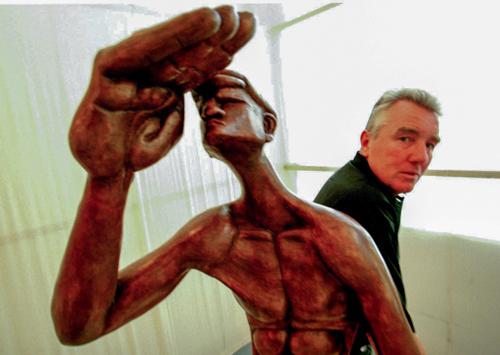
Richard Demarco discusses art and work of Jimmy Boyle
Feb. 5, 1976 Richard Demarco discusses the importance of riding the art experience of snobbery and the importance of art as relevant to everyone. In addition, Richard speaks on the work of Jimmy Boyle, convicted criminal turned successful artist. Demarco prompts the question: "Is art the language that transcends philosophy?"
-
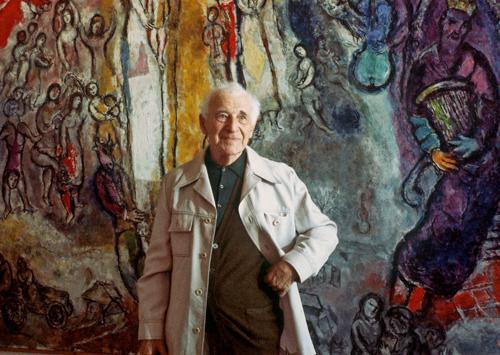
Representatives discuss the Center for Human Understanding ; part 2
May. 5, 1963 Representatives discuss the Center for Human Understanding (part 2 of 2). Center for Human Understanding conference in Washington D.C. Includes interview with [Raghav Heer]. Interviews [Chaumont Hosie]. Note: lengthy interviews in French (translated).
-
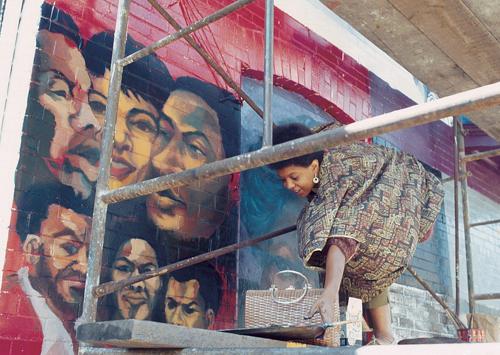
Ray Patlan and Mark Rogovin discuss mural art
Apr. 14, 1975 Ray Patlan and Mark Rogovin discuss mural art and the community engagement surrounding this artform. This program includes an audio clip of passers by commenting on the 1967 unveiling of Pablo Picasso’s Chicago sculpture and what they think it represents and the conversations it is meant to evoke. Studs reads Pete Seeger's introduction from Mark Rogovin, Marie Burton, and Holly Highfill’s book “Mural manual: How to paint murals for the classroom, community center, and street corner.”
-
Ralph Caplan discusses his book "By Design"
Nov. 16, 1982 Content Warning: This conversation includes racially and/or culturally derogatory language and/or negative depictions of Black and Indigenous people of color, women, and LGBTQI+ individuals. Rather than remove this content, we present it in the context of twentieth-century social history to acknowledge and learn from its impact and to inspire awareness and discussion. Discussing the book "By Design: Why there are no locks on the bathroom doors in the Hotel Louis XIV, and other object lessons" with designer and author Ralph Caplan. Includes an interview with George Nelson.
-
Printers John Kailen, Gerri Scott, Russ Wadleigh and Hank Orttinger discuss their shrinking trade
Jan. 13, 1975 Computers and technology may be good for some people, however, printers John Kailen, Gerri Scott, Russ Wadleigh and Hank Orttinger don't see it that way. As members of typographical unions, they have a skilled trade, and their trade and jobs are being threatened by computers. Some felt their livelihoods were stabbed in the back by the computer.*Please note: some sections have been edited out from the original recording due to copyright considerations
-
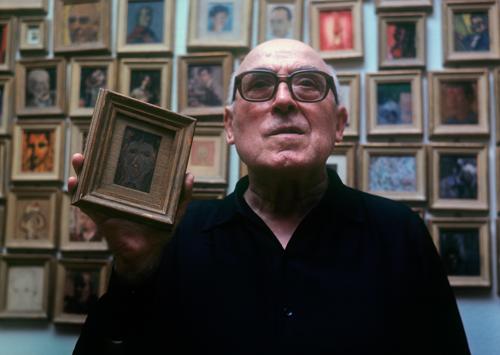
Pier Luigi Nervi and Joseph Nicoletti discuss architecture; part 2. Second interview: Caesar Zavattini discusses screenwriting and cinema
1962 End of interview with Pier Luigi Nervi and Joseph Nicoletti where they discuss innovation in architecture and learning from a master; second part is a separate interview with Cesare Zavattini about film inspirations and creating some of his most well known works.