Listen to New Voices on Studs Terkel our partnership with 826CHI-here! Read the Story


Showing 181 - 195 of 200 results
-

Born to Live ; part 2
1970 Studs Terkel plays a variety of audio clips pertaining to the concepts of life and mankind destroying itself. The audio clips featured are from various established and respected writers, social leaders, and musicians.
-
Bob and Joan Ericksen discuss the literary work of Peter Weiss and environmental ecology
1967 Bob and Joan Ericksen, both educators, artists, and environmental ecologists, discuss the literary work of Peter Weiss' "I Come Out of My Hiding Place" and environmental ecology. Excerpt of Peter Weiss reading from "I Come Out of My Hiding Place." The book speaks of why he writes and why he pursues his art (unknown source). The interview ends with a reading by Studs of an excerpt fro, Gustav Meyrink's "The Green Face."
-
Bill Mauldin reads from and discusses his book "The Brass Ring"
1970 As a teenager growing up, Bill Mauldin thought he’d be an airline pilot or a submarine captain. He didn’t have ambitions to be a cartoonist until he realized that drawing was the one thing he was good at. Mauldin’s book, “The Brass Ring: A Sort of Memoir,” covers his background, his influences, and stories from time spent in the Army.*Please note: some sections have been edited out from the original recording due to copyright considerations
-
Barry Byrne discusses architecture of Chicago ; part 2
1970 Architect Barry Byrne talks about Chicago architecture and urban planning, including past architects Louis Sullivan and Frank Lloyd Wrigh. Byrne discusses how "form follows function," is no longer important to architects and warns that fashion should not be followed, because buildings are forever.
-
Barry Byrne discusses architecture of Chicago ; part 1
1970 Barry Byrne, architect, recalls his life and how architecture has changed in his lifetime. He discusses his childhood, the death of his father, the Prairie School, and his time working under Frank Lloyd Wright. Byrne also touches on how Chicago's cityscape has changed such as the disappearance of small neighborhoods.
-
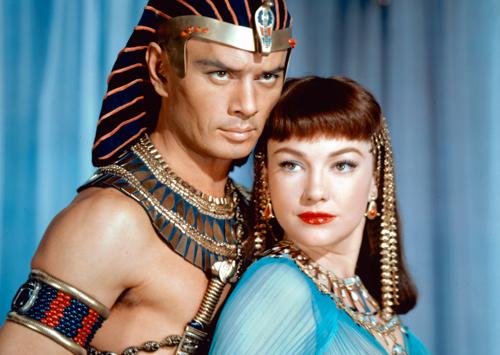
Anne Baxter talks about acting and Frank Lloyd Wright
1970 Anne Baxter discusses acting and her grandfather Frank Lloyd Wright. Interview begins and ends with an excerpt from an interview with Frank Lloyd Wright. Excerpt of Barry Byrne talking about meeting Frank Lloyd Wright (2015846-3-1).
-
Anna Ticho discusses her artistic process and exhibition of prints and drawings at the Art Institute of Chicago
1964 Israeli woman artist Anna Ticho discusses her artistic process and how the landscape of Jerusalem inspires her work, much of it on display at the Art Institute of Chicago. Studs plays "Sadot Shebe'emek (Fields fo the Valley)" - Netania Davrath & Robert DeCormier and His Orchestra.*Please note: some sections have been edited out from the original recording due to copyright considerations
-
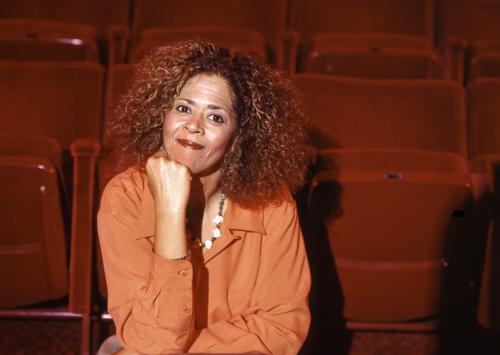
Anna Deavere Smith discusses her career
May. 4, 1995 Anna Deavere Smith discusses and demonstrates her unique character portrayals from her works "Fires in the Mirror" and "Twilight: Los Angeles, 1992."
-
Ann Banks in conversation with Studs Terkel
Feb. 2, 1981 The journalist, writer, and editor discusses her book, First Person America, which documents over 80 oral histories from the time of the Federal Writers' Project, which was part of the Works Progress Administration.*Please note: some sections have been edited out from the original recording due to copyright considerations
-
An interview with Jane B. Katz
Feb. 13, 1981 Visual arts and literature are covered in Jane B. Katz's book, This Song Remembers: Self-Portraits of the Native Americans in the Arts. When talking to artists, Katz learns that they aren't just capturing their past, but that they're keeping their cultures alive for future generations.*Please note: some sections have been edited out from the original recording due to copyright considerations
-
An interview with Bernard F. Stehle
Jul. 24, 1985 The author and photographer discusses companionship, intimacy, friendship, and love among the abled and disabled, as further described in his book, Incurably Romantic.*Please note: some sections have been edited out from the original recording due to copyright considerations
-
Alfred Eisenstaedt in conversation with Studs Terkel
Jun. 1, 1990 Discussing the book "Eisenstaedt: Remembrances," with the author Alfred Eisenstaedt. A renowned photojournalist, Eisenstaedt was one of the first staff photographers for LIFE magazine when it debuted in 1936.
-
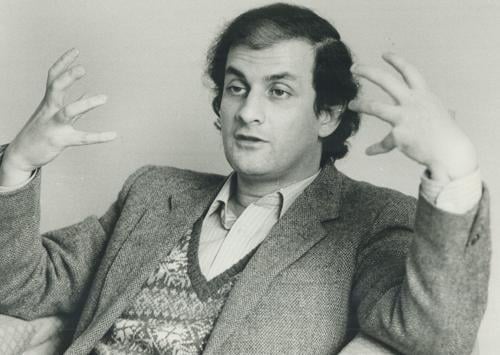
Akumal Ramachander discusses the film “The Painter and the Pest” by documentary filmmaker Salman Rushdie
Apr. 9, 1987 Akumal Ramachander discusses the film “The Painter and the Pest” by documentary filmmaker Salman Rushdie. The film details Ramachander's quest to introduce the art world to the talent and works of unknown, abstract expressionist painter Harold Shapinsky.
-
Abraham Rattner discusses his upbringing and his work
1970 American artist Abraham Rattner talks about his early influences, his inspiration, and what his work means to him.*Please note: some sections have been edited out from the original recording due to copyright considerations
-
Abena Joan Brown discusses the ETA Creative Arts Foundation
Feb. 14, 1989 Abena Joan Brown, President of ETA Creative Arts Foundation, a Chicago-based African American cultural performing arts institution discusses some upcoming shows and past activities. Artists, Paul Robeson, Mahalia Jackson, Billie Holiday, Sam Cooke and poet Angela Jackson are discussed.