

-

Interviewing Douglas Day about Malcolm Lowry, author of Under The Volcano
Dec. 27, 1973 The biographer gives Studs some insight into the research that went into his book, Malcolm Lowry: A Biography.*Please note: some sections have been edited out from the original recording due to copyright considerations
-
-
-
-
Interview with the International Film Fest panel of Jurors
Nov. 12, 1982 Discussing the 18th International film festival with a panel of jurors: including David Robinson and John Russell Taylor of the London Times, Jay Scott of the Toronto Globe and mail, Albert Johnson of the San Francisco Chronical, William Woolf of the New
-
Interview with Robert Brustein
Nov. 2, 1994 Interviewing author, theater critic and director Robert Brustein.
-
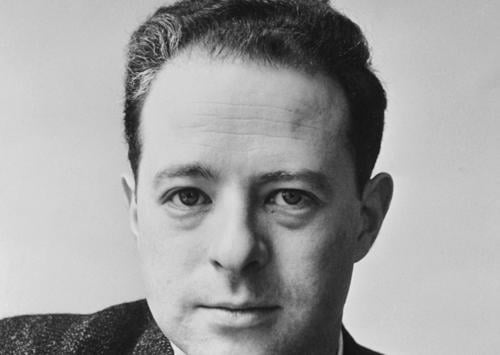
Interview with Norman Podhoretz ; part 2
1968 Norman Podhoertz discusses his book "Making It" his memoir about American intellectual life and academia. Discussing the parallels in the relationships between politics, money and education.
-
Interview with Les Brown
Mar. 12, 1992 Discussing "Les Brown's Encyclopedia of Television," (published by Visible Ink Press)with the author and television critic Les Brown.
-
-
Interview with Joachim Kaiser
1967 Joachim Kaiser discusses critiquing German music and how the music scene in Germany has changed. Studs Terkel in Germany.
-
Interview with Joachim Kaiser
1967 German critic Joachim Kaiser discusses his life and the theater scene in Germany. Studs Terkel in Germany.
-
Interview with Friedrich Luft
1968 Interviewing Friedrich Luft while Studs was in Germany.
-
Interview with Dieter Lattman
Mar. 1, 1967 Interviewing Dieter Lattman : Studs Terkel in Germany.
-
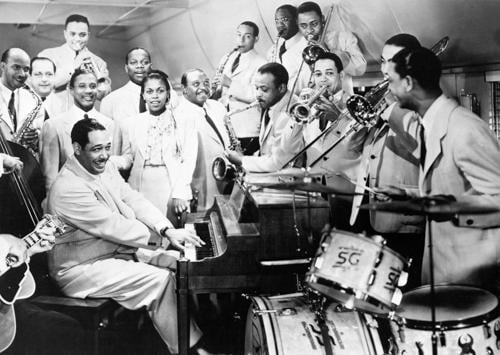
Harriet Choice discusses jazz
Aug. 7, 1978 Chicago Tribune jazz critic Harriet Choice plays and discusses some favorite records from her own personal collection with Studs Terkel.
-
Harold Rosenberg discusses action painting and other trends in art
Apr. 9, 1966 Harold Rosenberg, a provocative and loquacious art critic, joins Studs Terkel to discuss trends in the art world. The interview begins with a clip from Sonia Delaunay, who remarks that Pablo Picasso does not create art, but transforms it. Rosenberg disagrees with this statement, elaborating on his beliefs that tradition and past experiences and influences are present in any work. The desire to create “new” art is also a complicated concept, according to Rosenberg, as art transcends time and can be considered “new” to new viewers.