Listen to New Voices on Studs Terkel our partnership with 826CHI-here! Read the Story


Showing 91 - 105 of 549 results
-
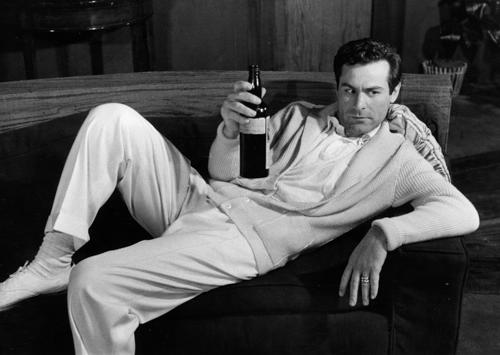
Sam Wanamaker discusses the theater ; part 1
Dec. 4, 1964 Sam Wanamaker talks about the curtain of a stage being a barrier between the set and the audience. Wanaker says that with theater today, there are more theaters in the round and more thrusts of ramps built into the audience, so that the audience can feel they are a part of the production of the play.
-

Sally Trench discusses her book “Bury Me in My Boots” ; part 1
1968 Humanitarian and author Sally Trench discusses her book “Bury Me in My Boots,” her work with the homeless communities in England, her journeys, and her belief in self-help with Studs Terkel. Terkel reads an excerpt from Trench’s book “Bury Me in My Boots.”
-
-
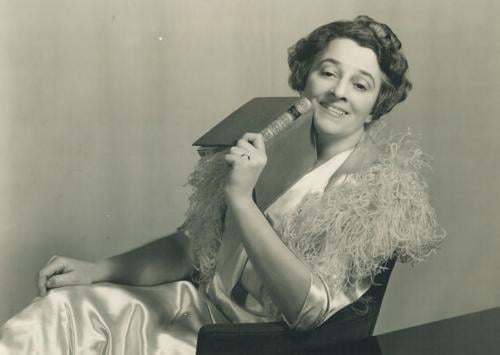
Roy Dotrice and Patrick Garland discuss the play "Brief Lives"
Sep. 25, 1970 Patrick Garland directs Roy Dotrice, who plays the old and lonely John Aubrey in "Brief Lives". While in studio, Dotrice reenacts part of the one-man show. Garland explains that the play is about John Aubrey, on the last day of his life, telling the audience about the past lives he's encountered.
-
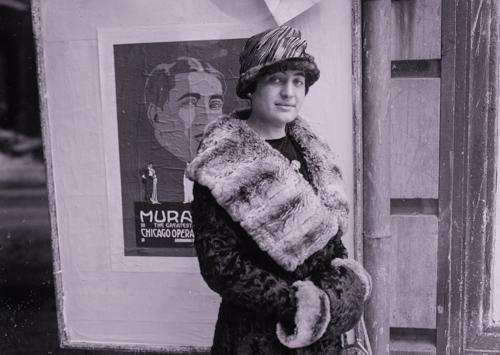
Rosa Raisa, in Chicago for the restoration of the Auditorium Theater, reflects on her career
Dec. 13, 1961 Studs Terkel interviews soprano Rosa Raisa about her career in Opera.
-
Rosa Raisa reflects on her career and her time in Chicago
Nov. 6, 1959 Renowned soprano, Madame Rosa Raisa discusses her career, early training, Chicago debuts, travels, teaching, and hobbies post opera.
-
Ronald Blythe discusses the village of Akenfield ; part 1
1968 Ninety five miles outside of London, Ronald Blythe has interviewed residents of the village of Akenfield for his next book, "Akenfield: A Portrait of an English Village." Blythe said what surprised him most of all was that newspapers and TV didn't have much effect on this little village. Blythe also learned that the village people would take part in political conversations with one another but they'd never let on as to which political party they were apart of.
-
Roger Wilkins discusses his book "A Man's Life"
Aug. 30, 1982 Discussing the book "A man's life" with the author Roger Wilkins.
-

Roger G. Kennedy discusses his book "Hidden Cities"
Sep. 22, 1994 American cities, American Indians, architecture and archaeology are all apart of Roger G. Kennedy's book, "Hidden Cities: The Discovery and Loss of Ancient North American Civilization." Kennedy explained how we are destroying the past by building new towns and cities and erecting brand new buildings onto some places that were once ancient grounds.
-
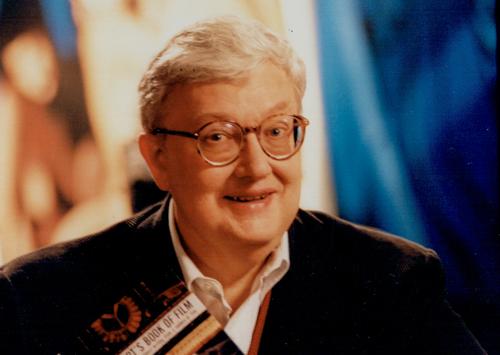
Roger Ebert discusses old movies with Studs Terkel ; part 2
Dec. 3, 1996 Chicago Sun-Times film critic and author Roger Ebert discusses his book "Roger Ebert's Book of Film: From Tolstoy to Tarantino, The Finest Writing From A Century of Film" (published by Norton); reads passages from his book.
-
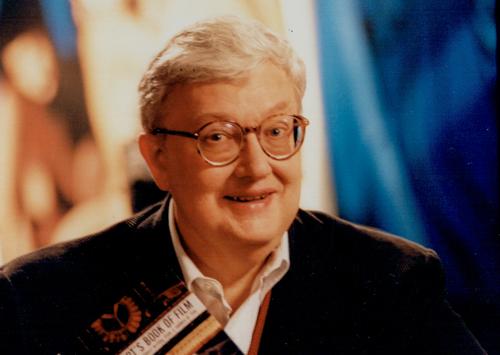
Roger Ebert discusses old movies with Studs Terkel ; part 1
Dec. 3, 1996 Chicago Sun-Times film critic and author Roger Ebert discusses his book "Roger Ebert's Book of Film: From Tolstoy to Tarantino, The Finest Writing From A Century of Film" (published by Norton); reads passages from his book; interview with Buster Keaton is played at 35:18.
-
Robert Morley discusses the youth and Kenneth Allsop discusses people from his book
1962 Robert Morley, stage and screen actor, starring in Ustinov's "Halfway Up the Tree," discusses education, technology and youth and the changes in the social makeup because of technology.
-
Robert L. Short discusses his book "Parables of Peanuts"
Feb. 10, 1969 Charles M. Schultz gave high praise to Robert L. Short's book, "Parables of Peanuts". Long explained Schulz's comic strips and his thoughts of cruelty among children. Short further explained that Schulz's comic strips turns the readers back to themselves and gives the readers the opportunities to see their own lives as they really are.
-
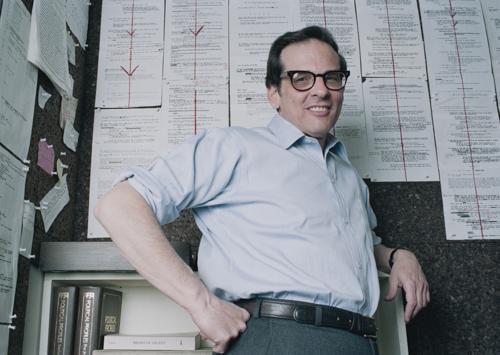
Robert Caro reads from and discusses his book "The Years of Lyndon Johnson"
Dec. 9, 1982 Discussing "The years of Lyndon Johnson, Vol 1: the path to power" with the biographer Robert Caro.
-
Robert Brustein discusses the fate of the theatre world
Feb. 20, 1981 Ten years ago, explained Robert Brustein, not for profit theatres were starting to pop up. Brustein was optimistic about these new theatres being available in communities as a way of offering culture. Theatres will not be funded though, because President Reagan cut federal funding to theatres in half. In addition, the National Endowment for the Arts was not growing fast enough to assist all theatres involved.