Listen to New Voices on Studs Terkel our partnership with 826CHI-here! Read the Story


Showing 361 - 375 of 549 results
-

Gregory Corso, Allen Ginsberg, and Peter Orlovsky discuss poetry
1960 Poets Gregory Corso, Allen Ginsberg, and Peter Orlovsky, speak with Studs Terkel about their influences and what made them into the poets they are. Terkel reads a preface, written by William Carlos Williams, to Ginsberg’s poem “Howl.”
-
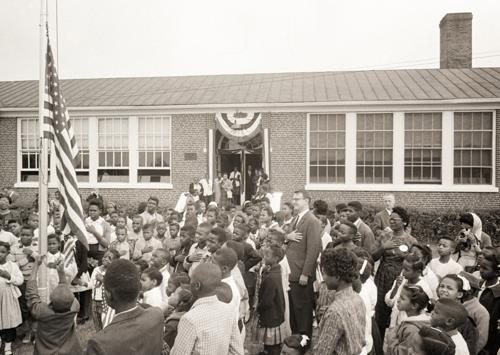
Gregory Coffin and Neil Sullivan discuss civil rights and school integration; part 2
1967 Interviewing school superintendents Gregory Coffin (Evanston) and Neil Sullivan (Berkeley) who discuss school integration and civil rights.
-
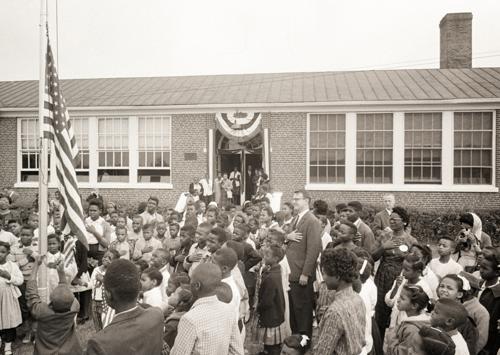
Gregory Coffin and Neil Sullivan discuss civil rights and school integration; part 1
1967 Interviewing school superintendents Gregory Coffin (Evanston) and Neil Sullivan (Berkeley) who discuss school integration and civil rights.
-

Gore Vidal discusses his book “Myra Breckinridge”
Apr. 3, 1968 Writer Gore Vidal discusses his book “Myra Breckinridge,” the central characters of the book, and some of his previous work. Vidal reads excerpts from “Myra Breckinridge.” The songs “Crucifixion” by Jim & Jean and “Prisoner Numero 9” by Volutia are played. Additionally, Lily Kraus performs the 3rd Movement from Mozart’s Allegro number 15.
-
Gordon Zahn talks with Studs Terkel
1970 Terkel interviews Gordon Zahn about war and peace.
-
Gordon Zahn discusses his book "In Solitary Witness" ; part 1
Jan. 15, 1965 One's conscience, morals and religion are all apart of Gordon Zahn's book, "In Solitary Witness: The Life and Death of Franz Jagerstatter". Zahn talks about who Jagerstatter was and what made him decide to say "No" to Hitler's army. Jagerstatter chose to lay with the community of saints rather than kill Jewish people.
-
Gordon Zahn discusses his book "In Solitary Witness" ; part 2
Jan. 15, 1965 Gordon Zahn continues to talk about his book, "In Solitary Witness: The Life and Death of Franz Jagerstatter". When doing his research for the book, it puzzled Zahn to find out that very few young people in Jaggerstatt's home village knew who Franz Jaggerstatt was. Zahn explained Jaggerstatt knew he was doing the right thing by objecting to Hitler's army because a Catholic priest had done the same thing.
-
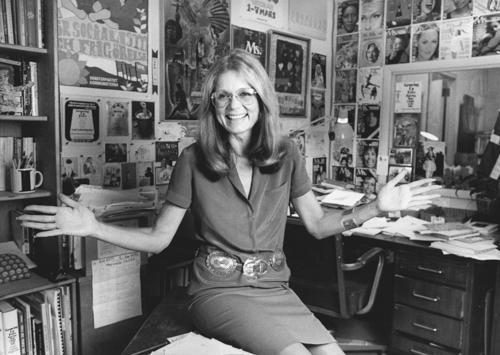
Gloria Steinem discusses the 10th anniversary of "Ms." magazine
Jun. 17, 1982 According to Gloria Steinem, "Ms." magazine is not only a national feminist magazine, but it's also a portable friend. A regular feature of the magazine is to celebrate found women, women who are not celebrities but who should be celebrated for what they do. This interview also includes an excerpt of Aunt Molly Jackson.
-
Gilbert Moses discusses The Free Southern Theater and his play "Blues for Mister Charlie" with Studs Terkel ; part 2
Aug. 10, 1966 Studs interviews Gilbert Moses about his play, "Blues for Mister Charlie" and The Free Southern Theater. They discuss a variety of plays that include, "White America," "Roots," and "Blues of Mister Charlie."
-
-
George Nelson discusses industrial design and the effects on people; part 4
Jan. 16, 1962 George Nelson discusses the importance of education, teachers, and how we learn as society changes.
-
George Nelson discusses industrial design and the effects on people; part 3
Jan. 16, 1962 George Nelson discusses what this generation will leave behind, the role of the individual in society, and the belief in things.
-
George Nelson discusses industrial design and the effects on people; part 2
Jan. 16, 1962 George Nelson discusses consumerism, business in war and peacetime, destruction leading to creation, and what culture looks like.
-
George Nelson discusses industrial design and the effects on people; part 1
Jan. 16, 1962 George Nelson discusses his impression of industrial design in Brasilia ,Russia, and American Main Street and how business is prioritized over what is better for people.
-
George Drossos, The Thacker Family, Mrs. Webb and Benny Bearskin discuss living in Chicago
1968 The third program of "Division Street: America" features four profiles: George Drossos, an elderly, Greek man, the Thacker family who recently moved to Chicago, Mrs. Webb, a corner store owner and Native American Benny Bearskin. George Drossos talks about first moving to Chicago and getting acclimated to the city. He recalls visiting other states for a month and then having that feeling of "nostos," or wanting to return home to Chicago. A mother of 15 children and 21 grandchildren, Mrs. Thacker said she doesn't like all the hoodlum business that goes on in Chicago.