Listen to New Voices on Studs Terkel our partnership with 826CHI-here! Read the Story


Showing 91 - 105 of 105 results
-

Claudia Cassidy discusses her career as a critic ; part 2
Nov. 30, 1966 Claudia Cassidy discusses being a critic of theater and opera etc. Includes about 1.5 minutes of another interview.
-
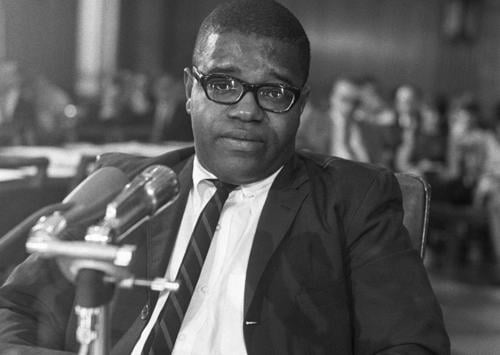
Claude Brown talks with Studs Terkel
Sep. 13, 1965 Discussing the book "Manchild in the Promised Land" with Claude Brown. Brown also discusses growing up in Harlem, New York as an African American man. Includes a clip of a man speaking from the county jail. Includes a song sung by Mahalia Jackson. Includes a clip of children singing.
-
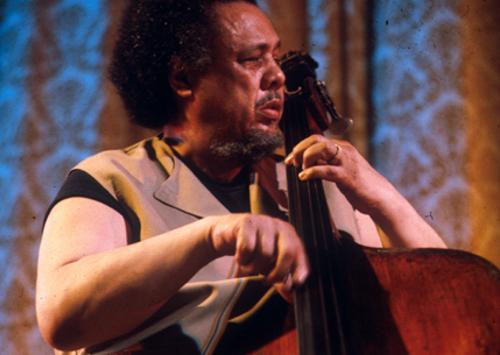
Charles Mingus discusses his book "Beneath The Underdog"
May. 20, 1971 Studs Terkel speaks with Charles Mingus about his life and work in the context of his autobiography "Beneath The Underdog".
-
Brownie McGhee and Sonny Terry discuss their careers as blues musicians
Jan. 28, 1970 Brownie McGhee and Sonny Terry discuss their careers as blues musicians and longtime collaborators. The close relationship between Terry and McGhee is apparent as they perform a number of original and traditional songs during the interview. Songs have been removed due to copyright.
-
Brick Top discusses her career, her colleagues, and the jazz scene
May. 6, 1975 Brick Top discusses her career, her colleagues, and the jazz scene.
-
Bobby Short discusses his career as a vocalist, pianist, and song writer
Feb. 20, 1974 Studs interviews Bobby Short, an African American composer, vocalist, and pianist. Short describes his performances and interpretations of songs by Ira Gershwin, Cole Porter, Noel Coward, and George Gershwin. Studs reads a letter written to short from Coward requesting that Short sing his songs. Studs and Bobby discuss composer and singer styles. The musical pieces are removed from this edited version of the original recording.
-
Blind John Davis discusses Chicago blues
Sep. 20, 1977 Blind John Davis, Chicago blues pianist, discusses his time playing in Germany and at the Blue Note jazz club, chitlin' parties, growing up on the West side of Chicago. He also recalls meeting and working with musicians like Tampa Red and Big Bill Broonzy. Music has been removed from this recording for copyright reasons.
-
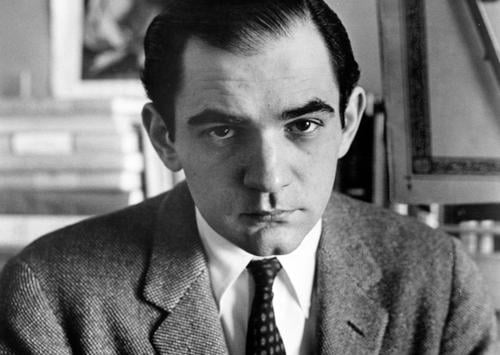
Bill Russo discusses his commedia dell'arte production
Jul. 26, 1974 Bill Russo talks about the commedia dell'arte production being staged at the Center for New Music at Columbia College Chicago. The production includes two pieces, "Pedrolino's Revenge" and "Isabella's Fortune".
-
Big Bill Broonzy discusses the blues ; part 2
Jul. 22, 1953 Big Bill Broonzy discusses the blues and growing up in Arkansas with parents who were former slaves. He talks about the family dynamic and sings: "Willie Mae", "Crawdad song", "Going down this road feeling bad" and "John Henry".
-
Big Bill Broonzy discusses the blues ; part 1
Jul. 22, 1953 Big Bill Broonzy discusses the blues and growing up in Arkansas with parents who were former slaves. He talks about the family dynamic and sings: "Crying Joe Turner", "C.C. Rider", "Make my get away", and " You've got to stand your test in judgement" . Part 1
-

Bernard Asbell discusses his book "The Plll"
Jun. 14, 1995 Scientists, women, birth control, religion and ethics are among the topics covered in Bernard Asbell's book, "The Pill: A Biography of the Drug that Changed the World"
-
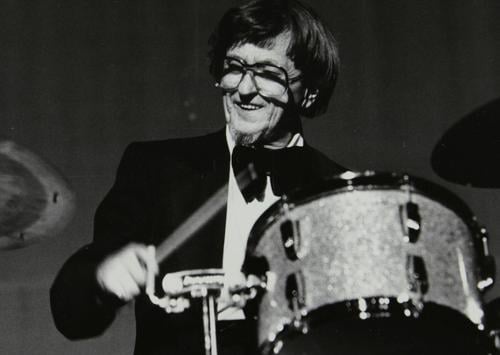
Barrett Deems discusses jazz drumming
Mar. 27, 1979 Barrett Deems discusses his upbringing where he began drumming at age 4 and recalls touring with Louis Armstrong and other musicians. He also talks about meeting drummers in Africa. Music is played throughout: "Flip"- Joe Venuti, "Shine"- Barrett Deems Hottet, "Now You Has Jazz"- Bing Crosby and Louis Armstrong (from "High Society"), "Muskrat Ramble"- Louis Armstrong, "Struttin' with Some Barbecue"- Louis Armstrong, "Slipped Disc"- Benny Goodman, "Stompin' at the Savoy"- Louis Armstrong. Music has been removed from this recording for copyright reasons.
-
-

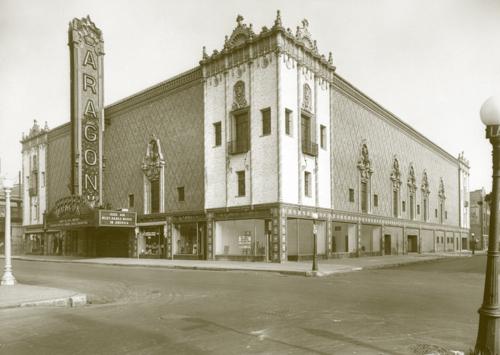
Aaron Copland discusses his career
Mar. 10, 1961 Aaron Copland discusses his music, his colleagues, contemporaries, musicians, and composers.
-
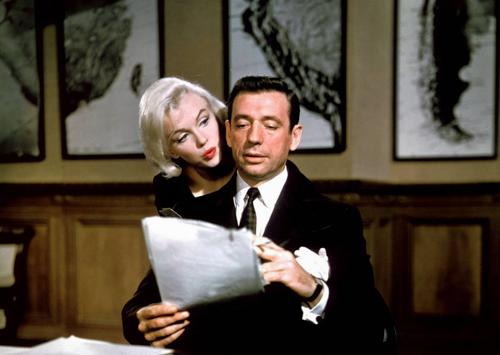
A French taxi driver and actor/singer Yves Montand
1962 While waiting to see Yves Montand, Studs speaks with a taxi driver through an interpreter, Michelle [Viande?]. Also speaks to Yves Montand.