Listen to New Voices on Studs Terkel our partnership with 826CHI-here! Read the Story


Showing 991 - 1005 of 3671 results
-
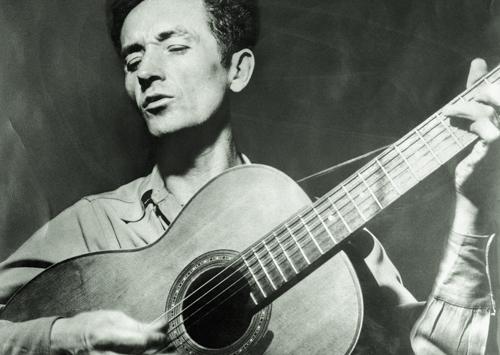
Marjorie Guthrie discusses Huntington's disease and Woody Guthrie
Marjorie Guthie, the widow of folk singer of Woody Guthrie is in town for a fundraiser, raising money for Huntington's disease. Woody Guthrie died of the disease, which was passed down from his mother. Marjorie Guthrie also reflects on her courtship with Woody and she also talks about his music.
-

Marion Clark and Rudy Maxa discuss their book, "Public Trust, Private Lust: Sex, Power, and Corruption on Capitol Hill"
Jul. 12, 1977 Marion Clark and Rudy Maxa, investigative journalists, discuss their book, "Public Trust, Private Lust: Sex, Power, and Corruption on Capitol Hill." The two recall how Elizabeth Ray contacted them about an affair she was having with U.S. Representative Wayne Hays, who was using taxpayer's money to pay her. The journalists also discuss Koreagate and other corruptions going on in Washington D.C. in the 1970s.
-
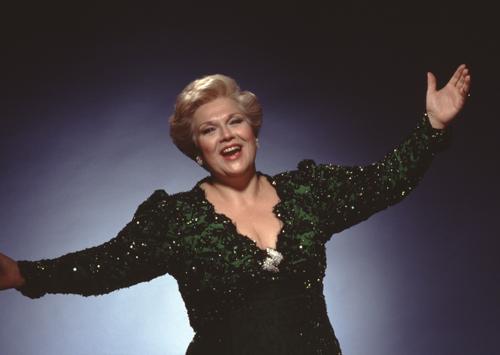
Marilyn Horne talks about her music career and her upcoming performance in "Rinaldo" at the Chicago Opera Theater
May. 2, 1984 Marilyn Horne talks about her music career and her upcoming perfomance in "Rinaldo" at the Chicago Opera Theater
-
Marilyn Horne and Henry Lewis discuss their careers and opera music, part 1
Jun. 1, 1966 Marilyn Horne and Henry Lewis discuss their careers, opera music, and their operatic roles. They also discuss cross-gender roles in opera and Marilyn Horne's role as Romeo in the opera "Capuleti e i Montecchi" by Vincenzo Bellini. Includes clips of Marilyn Horne singing an opera song at the beginning, an opera song by Gioachino Rossini, and a song from Charles Gounod's opera "Sapho."*Please note: some sections have been edited out from the original recording due to copyright considerations
-
Marilyn Horne and Henry Lewis discuss their careers and opera music ; part 2
Jun. 1, 1966 Marilyn Horne and Henry Lewis discuss their careers, roles, and opera. Includes Marilyn Horne singing a song from Ludwig von Beethoven's "Fidelio".
-
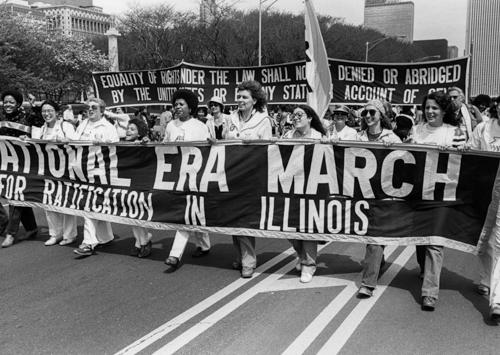
Marianne Bell, Shirley Wallace and Illinois Rep. Susan Catania discuss the Equal Rights Amendment
Jun. 2, 1982 Interviewing Equal Rights Amendment activists, Marianne Bell and Shirley Wallace, who were fasting as a political statement, and Illinois state representative and outspoken advocate of ERA, Susan Cantania.
-
Marian McPartland discusses her career as a Jazz pianist
Feb. 22, 1978 Studs interviews Marian McPartland, who is in Chicago to perform at Rick's Cafe and the Chicago Public Library. They discuss her various performances and recorded albums. McPartland shares techniques of playing Jazz with a piano. She discusses people and events that influenced her music. The musical numbers are removed from this edited version of the original recording.
-
Marian McPartland discusses her career
Apr. 13, 1977 Marian McPartland discusses jazz music, her husband Jimmy McPartland, and her career.
-
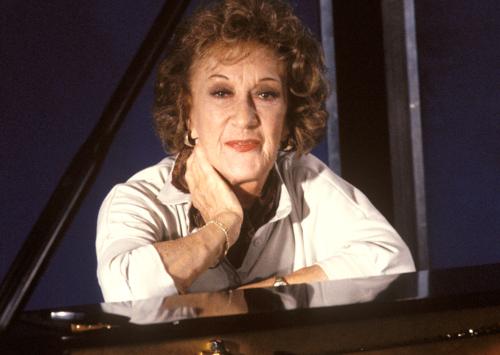
Marian McPartland discusses her career
May. 6, 1982 Marian McPartland discusses her career, the role of women in jazz, and jazz music.
-
Marian McPartland and Jimmy McPartland discuss their Jazz careers
Sep. 27, 1973 Studs interviews Jimmy and Marian McPartland. The McPartlands reflect on the people who influenced their music in Jazz. Studs quotes Jimmy McPartland and reads part of a critic's column about Marian in the Chicago Sun Times. Marian shares a little about what it is like to be a female musician in Jazz. Both discuss their past career and their futures. Jimmy reflects on his hard times in the 1920s-1930s. The musical numbers are removed from this edited version of the original recording.
-
Marian McPartland and Jimmy McPartland discuss their careers in Jazz
Aug. 9, 1978 Studs interviews Marian and Jimmy McPartland. The McPartlands reflect on those in Jazz who have influenced them. Studs talks to Marian about women in Jazz. They discuss the Jazz audience. The musical numbers are removed from this edited version of the original recording.
-
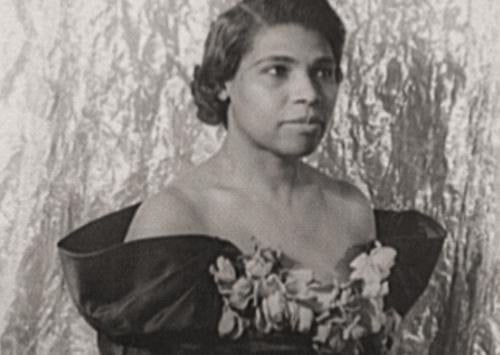
Marian Anderson discusses her career, and how she interprets songs
Feb. 20, 1960 Marian Anderson talks about her singing career, including her singing in Sunday School and her first singing experience in 4th grade. She shares how she interprets the songs she sings. Includes Studs reading the poem "Gertrude" by Gwendolyn Brooks. The interview takes place in Anderson's suite in the Sheraton Blackstone in Chicago.
-
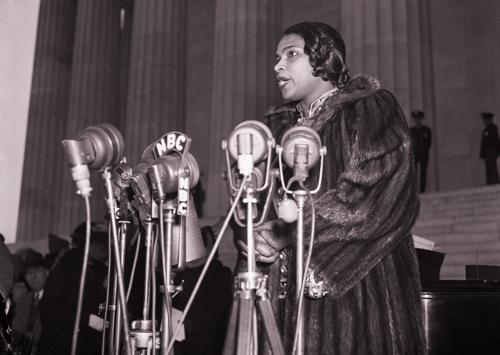
Marian Anderson and James DePreist discuss their experiences in music ; part 1
1966 Marian Anderson recalls singing on stage for the first time at the Metropolitan Opera House in 1957 and how it was the realization of a dream come true. Marion's nephew, James DePreist remembers being able to conduct a piece of music he had never conducted before because his aunt Marion had exposed him to it when he was a child. James said when his aunt Marion sung spirituals, he couldn't help but feel religious and he's an atheist.
-
Maria Kuncewicz, Polish writer and novelist, discusses her book, "Don Quixote and the Nannies"
May. 25, 1965 An interview with Maria Kuncewicz about her book of fiction, "Don Quixote and the Nannies" and how this book reflects her travels to Spain and her personal observations, memories, and experiences. The story reflects the freedom and beauty that people want today post WWII. Kuncewicz tells her experience as a child with nannies and a particular event that helped inspire her writing. She speaks about authority and author, Miquel de Cervantes. Kuncewicz also talks about the people of Spain and how they reflect different Don Quixote characters.
-
Maria Cerda and Dick Simpson discuss Chicago: An Agenda for Change, with a focus on education ; part 3
Oct. 8, 1974 Chicago: An Agenda for Change. Part 3 of 5. Maria Cerda is a former Chicago Board of Education member.