Listen to New Voices on Studs Terkel our partnership with 826CHI-here! Read the Story


Showing 46 - 60 of 185 results
-
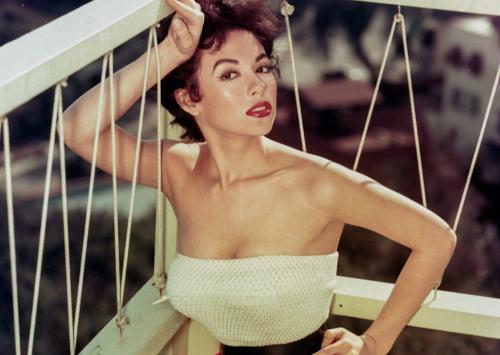
Rita Moreno discusses her role in West Side Story ; part 2
Jun. 13, 1962 Rita Moreno talks about her own Puerto Rican ethnicity and how it relates to her role as Anita in West Side Story.
-
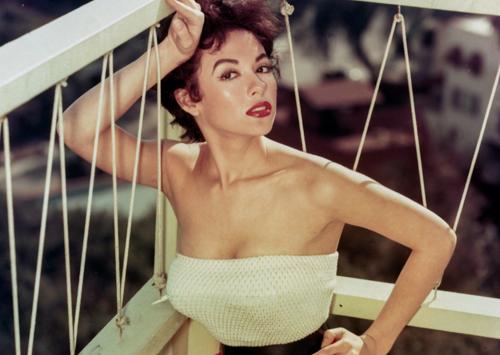
Rita Moreno discusses her role in West Side Story ; part 1
Jun. 13, 1962 Rita Moreno talks about her own Puerto Rican ethnicity and how it relates to her role as Anita in West Side Story.
-
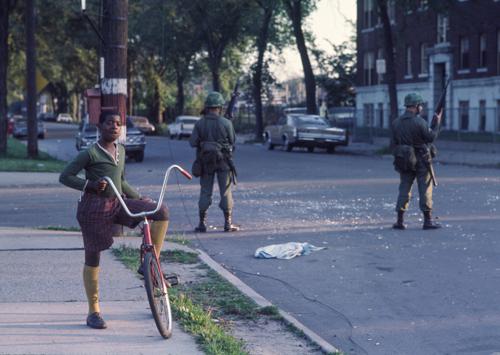
Rita Buscari interviews inner-city youth in Chicago
1968 Rita Buscari interviews inner-city youth in Chicago in the aftermath of the 1968 riots. Several pre-teen and teenaged African American youth are featured, discussing their experiences during the Chicago riots of April 1968. Topics include: Relationships between children and adults, relationships between police and civilians, relationships between blacks and whites, and the impact that Martin Luther King Jr.
-
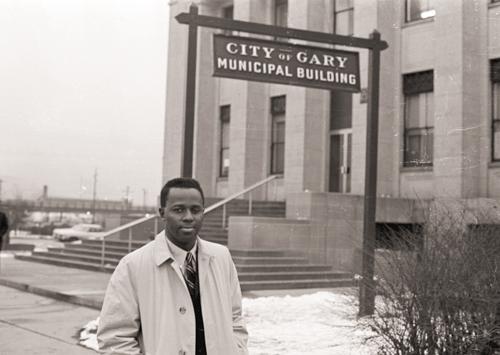
Richard G. Hatcher and Alexander Poinsett discuss Gary, Indiana, their book "Black Power: Gary Style," and politics
Jan. 18, 1971 Richard G. Hatcher and Alexander Poinsett discuss Gary, Indiana, their book "Black Power: Gary Style," politics, and race relations. They discuss the corruption in Gary, Indiana and Gary politics. Includes Richard G. Hatcher reading his old speech from his book "Black Power: Gary Style."
-
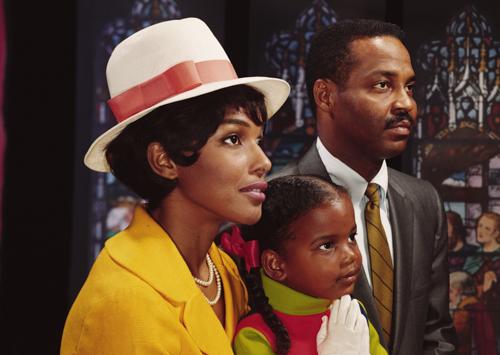
Reverend Albert B. Cleage, Jr. discusses his book "the Black Messiah"
1967 Discussing the book "the Black Messiah" with the author Reverend Albert B. Cleage, Jr. He discusses the African American church and theology. He also discusses broader topics such as civil rights and African American history. Includes a clip of an interview with a woman named Mrs. Alexander at the beginning. Includes a clip of the song "Beulah Land" sung by the Georgia Sea Island Singers.
-
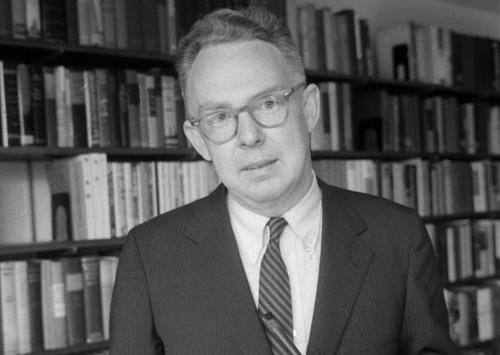
Rev. W. Alvin Pitcher and Dr. Richard Wade discuss race relations, civil rights, and socio-economic differences
Aug. 23, 1965 Reverend W. Alvin Pitcher and Dr. Richard Wade discuss how violence and civil disobedience intertwine with civil rights, economic differences, and the importance of education.
-

Reporter and author John L. Spivak talks with Studs Terkel ; part 1
1967 Studs and Spivak talk all things labor: unions, strikes, and spies. Spivak's work reporting on Fascism and Socialism is also discussed.
-
Reporter and author John L. Spivak talks about his autobiography with Studs Terkel ; part 2
1967 Several aspects of Spivak's career are discussed in detail, including his exposure of chain gangs, a Depression-era Communist forgery, investigating the anti-Nazi underground in Germany and how to exploit the insecurities of vigilantes.
-
Renault Robinson and Robert McClory, author of "The Man Who Beat Clout City" discuss the the Chicago Police Department and race relations
Jul. 24, 1978 Renault Robinson, founder of the African American Patrolman's League in Chicago, and Robert McClory, journalist and author of a biography of Robinson, "The Man Who Beat Clout City," discuss Robinson's life and court case, Robinson v. Chicago Police Department. Robinson recalls how he was seen as a model policeman until he created the Afro-American Police League, when the Police Department started treating him differently.
-
Presenting "In Africa" ; part 1
Studs Terkel recounts a trip to Africa.
-
Playwright August Wilson, actor James Earl Jones, and director Lloyd Richards discuss their play "Fences"
Feb. 7, 1986 The Goodman Theatre cast of the play “Fences” discuss some of the major themes from the play, including the African-American experience and race relations, particularly in Major League Baseball.
-
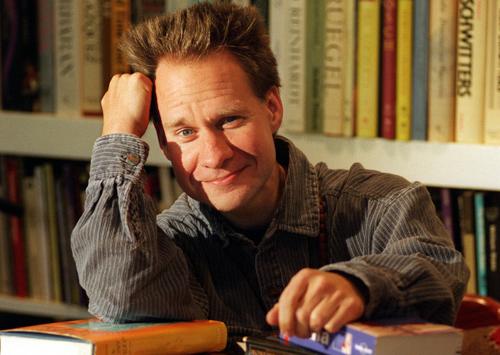
Peter Sellars discusses his production of "The Merchant of Venice"
Sep. 14, 1994 Peter Sellars talks about his production of "The Merchant of Venice." Peter Sellars also compares Los Angeles California to the world of "The Merchant of Venice". Sellars also discusses the history of the Jewish people, immigrants, the ghetto, and race relations.
-
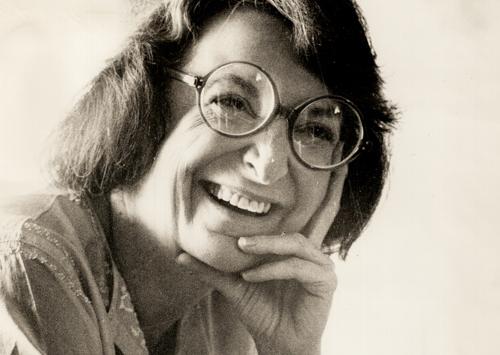
Pauline Kael discusses her book "Kiss Kiss Bang Bang" and her career, part 2
1966 Part 2 of celebrated fim critic Pauline Kael discussing her book "Kiss Kiss Bang Bang" as well as Laurence Olivier, Sidney Poitier, safe roles, older actors, distortion of women's contributions, and Lillian Hellman's frustrations.
-
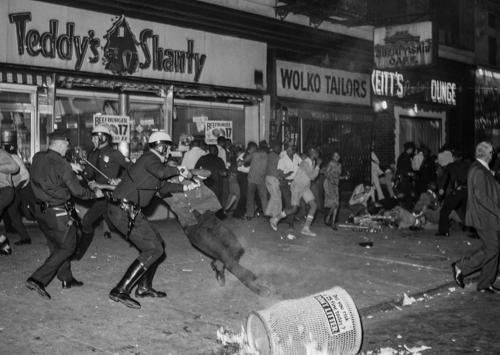
Paul Chevigny discusses his book "Police Power"
According to Paul Chevigny’s book, “Police Power: Police Abuses in New York," disobeying the police is what precipitated violence. Chevigny explained some of the police felt if they had to deal with the undesirables, whether they were criminals or not, anything goes on the street to get these guys and anything goes in court to make a conviction stick.
-
Ouida and Paul Lindsey discuss their book "Breaking the Bonds of Racism"
Sep. 30, 1974 Public housing is a major topic covered in Ouida and Paula Lindsey's book, "Breaking the Bonds of Racism." Ouida Lindsey tearfully explains that white people can't always understand Black people's troubles.Content Warning: This conversation includes racially and/or culturally derogatory language and/or negative depictions of Black and Indigenous people of color, women, and LGBTQI+ individuals. Rather than remove this content, we present it in the context of twentieth-century social history to acknowledge and learn from its impact and to inspire awareness and discussion.