Listen to New Voices on Studs Terkel our partnership with 826CHI-here! Read the Story


Showing 151 - 165 of 558 results
-
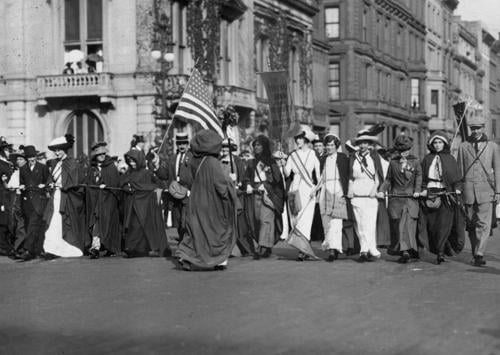
Paul Angle, historian and writer, and Win Stracke, folk musician, discuss "Crossroads: 1913," part 3
Jul. 1, 1963 Paul Angle discusses his book "Crossroads: 1913," and Win Stracke provides a musical review. The three gentlemen talk in depth about the book with live and recorded music interspersed. Music: "Water--Oh!, Water For Me" and "The Rosary." "The Voice of Vienna" (a waltz).
-
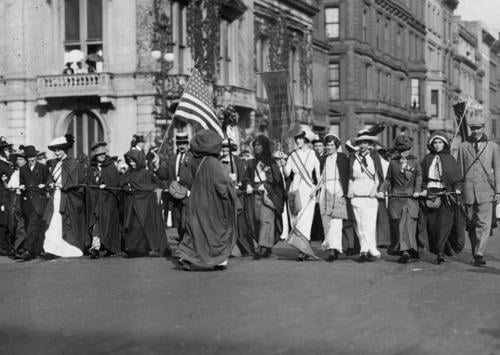
Paul Angle, historian and writer, and Win Stracke, folk musician, discuss "Crossroads: 1913," part 2
Jul. 1, 1963 Paul Angle discusses his book "Crossroads: 1913," and Win Stracke provides a musical review. The three gentlemen talk in depth about the book with live and recorded music interspersed. Songs include: "Casey Jones - The Union Scab," "Sweet Adeline," "We Shall Overcome," "Oh, Dear, What Can the Matter Be," and "Immortality" by William Jennings Bryan (1908).
-
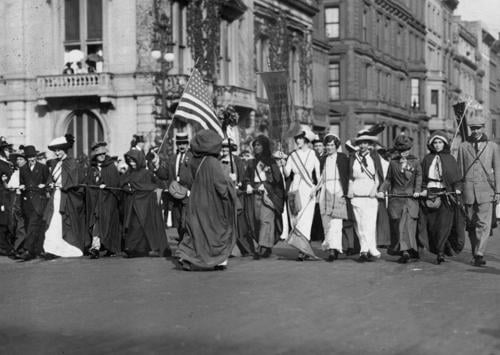
Paul Angle, historian and writer and Win Stracke folk musician discuss "Crossroads: 1913," ; part 1
Jul. 1, 1963 Paul Angle, director of the Chicago Historical Society, discusses his new book "Crossroads: 1913." Win Stracke, musician, provides a musical review of Angle's book.
-

-
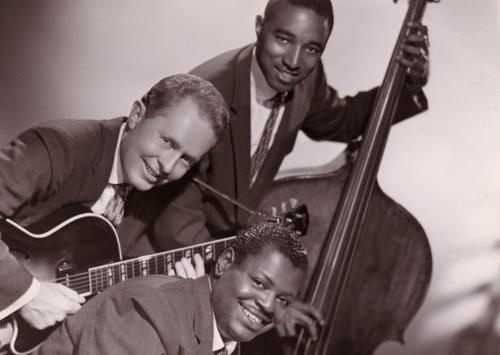
Oscar Peterson plays and discusses jazz
Sep. 8, 1961 Jazz pianist Oscar Peterson sits down with Studs Terkel to discuss historical developments in jazz piano, his own personal development as a pianist, and his experience directing a youth jazz piano school. Includes Peterson playing short excerpts from "Chicago (that toddlin' town)," "Soon," Chopin's Nocturne in E flat Major to demonstrate musical concepts.
-
Oscar Ghiglia discusses the history of classical guitar music in different cultures
Feb. 14, 1977 Oscar Ghiglia discusses studying under Andres Segovia and reviews different types of guitars and composers through history, including Weiss, Villa-Lobos, and Scarlatti. Music is played throughout: "Prelude, Fugue and Allegro in E-Flat Major, BWV 998 (Arr. for Guitar) : I. Prelude" composed by J.S. Bach, "Canarios (Air De Danse)","La Maja De Goya", "Fantasia in E-Minor" composed by S.L. Weiss, "Five Preludes, W. 419: No. 1 in E Minor (Andantino expressivo)" composed by Heitor Villa-Lobos, "Sonata In G, L.79" composed by Domenico Scarlatti, and "Tarantella, Op.
-
Ollie Gilbert and Jimmie Driftwood discuss music ; part 2
May. 25, 1964 Ollie Gilbert, folk musician, and Jimmie Driftwood, folk songwriter and musician, discuss and folk music. They also discuss instruments such as banjos, guitars, and musical bows. The two musicians also talk about how music evolves over time and as it is passed through generations.
-
Ollie Gilbert and Jimmie Driftwood discuss music ; part 1
May. 25, 1964 Ollie Gilbert, folk musician, and Jimmie Driftwood, folk songwriter and musician, discuss music including how Gilbert's family has passed down music through the generations.
-
Oliver W. Sacks discusses his book "Awakenings"
1985 In the of first of many appearances on Studs' radio show, Oliver Sacks discusses his book "Awakenings" and recounts several patient profiles from his groundbreaking treatment application of L-DOPA to sufferers of Sleeping sickness and Parkinson's disease. They explore his work in the context of Studs' concept of Feeling Tone and Sacks tells of a remarkable scene with aphasic patients reacting to a speech of then President Ronald Reagan.
-
Ola Belle Reed, Sonny Miller & Bud Reed discuss their career and history with music
Mar. 17, 1977 Ola Belle Reed folk singer, songwriter and blue grass musician talks about her childhood in the Appalachians as well as her musical influences that inspire her musical career.
-
Odetta talks about her music career with Studs Terkel
1956 Odetta (often referred as "The Voice of the Civil Rights Movement") talks about her music career and sings to Studs Terkel. The interview segments are between songs. This record is part of the Studs Terkel Almanac.
-
Odetta discusses her music career
Mar. 12, 1970 Folk singer Odetta joins Studs to talk about her life and music, including her songs "Riding in My Car (Car Song)," "Gallows Pole," and "Sometimes I Feel Like a Motherless Child," among others.*Please note: some sections have been edited out from the original recording due to copyright considerations
-
Norman Wallace discusses his music career
Jun. 8, 1980 Norman Wallace discusses his music career. Norman Wallace discusses his occupations as a pianist and a songwriter.
-
Ned Rorem discusses his writing and compositions
1966 Ned Rorem discusses the differences between writing books and writing compositions, his book "The Paris Diary of Ned Rorem", and how he uses poetry in his compositions.
-
Ned Rorem discusses his career as a composer and his memoir "An Absolute Gift"
Nov. 20, 1980 Studs interviews Ned Rorem about his work and book "An Absolute Gift." Rorem discusses his work and how his Quaker background has influenced his work. He reflects on poets and other composers. Rorem shares the people and events that have influenced him and the arts. The musical recordings are not included in this edited version of the original.