Listen to New Voices on Studs Terkel our partnership with 826CHI-here! Read the Story


Showing 121 - 135 of 352 results
-

John Hammond and John McDonough discuss music
1970 Music producer John Hammond and jazz critic for Down Beat magazine John McDonough discuss: Hammond's career; the artists he worked with; the artists he was the first to sign; social reform; and more. The following musical excerpts are played: "7 Come 11"; "Sauce"; "Talking Union"; "Blowing In the Wind"; "Today I Sing The Blues"; and "Live Embers".
-
John Dinges discusses his book "Assassination on Embassy Row"
Sep. 6, 1980 Because there' s murder, torture, prison terms and terrorism involved, Studs Terkel, mentions that this book reads like a crime novel. "Assassination on Embassy Row," is John Dinges' account of what happened to Orlando Letelier in Washington, D.C. in 1976.
-
-
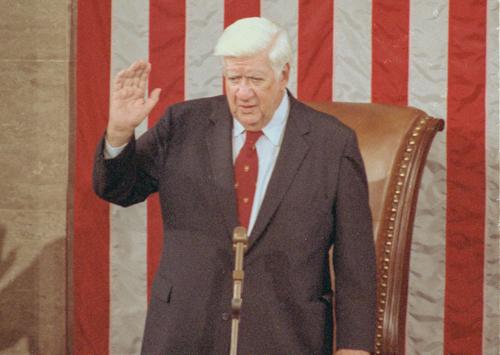
Jimmy Breslin, journalist and author discusses his book about the Watergate Affair
May. 22, 1975 Discussing "How the Good Guys Finally Won : Notes from an Impeachment Summer" and interviewing Jimmy Breslin.
-
-
Jean Shepherd discusses his career ; part 2
Aug. 9, 1962 Storyteller, humorist, and radio personality Jean Shepherd joins Studs for a wide-ranging discussion of his career up that point.*Please note: some sections have been edited out from the original recording due to copyright considerations
-
Jean Shepherd discusses his career ; part 1
Aug. 9, 1962 Storyteller, humorist, and radio personality Jean Shepherd joins Studs for a wide-ranging discussion of his career up that point.*Please note: some sections have been edited out from the original recording due to copyright considerations
-
Jean Davies discusses life and culture in Australia ; part 1
Aug. 10, 1966 Australian journalist Jean Davies discusses life and culture in Australia.
-
James Weinstein discusses the independent socialist magazine “In These Times”
Jul. 14, 1997 Weinstein states how at the time of creation for this magazine, most newspapers were bipartisan, intended to serve and satisfy as many people as possible, which allowed for less and less variation of opinion; Weinstein sought to combat this by producing a magazine that was very assured in its views. Studs plays "We Shall Not Be Moved" - Pete Seeger (1955).
-
James Mills discusses his book "Report to the Commissioner," his newest publication
Oct. 3, 1972 James Mills, a novelist and journalist, talks to Studs about his book "Report to the Commissioner". Mr. Mills and Studs discuss the story and Mr. Mills goes in depth into the process of police detectives working a case. Studs plays an excerpt of a Chicago policeman talking about working on the tactical squad on the police force. The policeman tells of how they go into a neighborhood as civilians to stop crime.
-
James David Barber discusses his book, "The Pulse of Politics: Electing Presidents in the Media Age," with the author James David Barber
May. 30, 1980 James David Barber, author and political scientist, discusses his book, "The Pulse of Politics: Electing Presidents in the Media Age." He explains the premise of his beliefs that presidential elections run a cycle of "conflict, conscience, conciliation," and how media affects this. He uses examples of elections from Teddy Roosevelt to Jimmy Carter. Presidential campaign songs are played throughout the interview. A record is played to hear the voices of Teddy Roosevelt and Franklin D. Roosevelt.
-
James Cameron discusses journalist responsibility and expectations of political leaders with Studs in Ashburn Gardens, London ; part 2
1970 Studs Terkel interview with James Cameron, Brittish journalist. They discuss the objective truth and facts of journalism. Cameron shares his experience with a dying Winston Churchill and his views on science and human values. Politics, youth, and the atomic bomb are also topics in this interview. Studs quotes Albert Einstein and Sidney Burnstein, while Cameron quotes Oliver Cromwell. James Cameron's book, "Point of Departure" is also mentioned in the interview.
-
James Cameron discusses his experiences as a Brittish Journalist and his political and social beliefs ; part 4
Jun. 4, 1973 Studs Terkel interview with James Cameron, Brittish journalist. They discuss a variety of topics with politics and young people's attitudes the majority of the interview. This interview is done in Chicago, while the other three parts were done at Lewis and Clark College.
-
James Cameron discusses his experiences as a Brittish journalist and his book "Point of Departure" ; part 3
Jun. 4, 1973 Studs Terkel interviews James Cameron about his experiences as a journalist that includes thoughts about Cameron's book, "Point of Departure." They talk about his relationships with Winston Churchill, Lord Beaverbrook, Charlie Templeton, and Bertrand Russell. Cameron discusses his education, poverty, and the depression during his youth. They talk about Cameron's career with the "News Chronicle" and his home of Dundee, Scotland. This is part 3 of a total of 4 parts. The interview takes place at Lewis and Clark Community College.
-
James Cameron discusses his career ; part 1
Jun. 4, 1973 James Cameron reflects on his life in journalism and his near death experience in India which led to his heart operation in London. Cameron turned that near death experience into a BBC play called "The Pump". Cameron discusses that with Terkel as well as his autobiography, "Points of Departure". Cameron also discusses the June War or Six Day War with Terkel. Cameron reflects on the role youth play in society whether in Israel or Northern Ireland and how they should understand they possess a greater potential. The interview breaks at 27:18 and continues.