Listen to New Voices on Studs Terkel our partnership with 826CHI-here! Read the Story


Showing 436 - 450 of 460 results
-

Art Hodes discusses his career as a jazz and blues pianist
Jun. 17, 1981 Art Hodes discusses his history and influences on his career as a jazz and blues pianist. He tells stories of musicians he has worked with and how he keeps his performances fresh after playing for so many years. Music by Art Hodes is played throughout: "Chimes Blues", "Tennessee Waltz", "Grandpa's Spells", "Just a Closer Walk with Thee","Cakewalkin' Babies from Home", "Blues 'N Booze", and "Riverside Blues".
-
Art Farmer, Ira Sullivan and Joe Segal discuss their upcoming Jazz Showcase concert
Apr. 16, 1992 With an upcoming show put together by Joe Segal, Art Farmer and Ira Sullivan talk about their jazz careers and early lives.
-
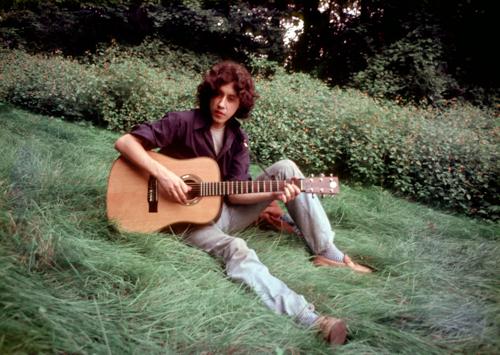
Arlo Guthrie discusses his career
Oct. 31, 1980 Arlo Guthrie discusses his approach to songwriting and how storytelling in song writing has changed. He also talks about what it's like to become known for performing works written by others. Arlo Guthrie's music is played and discussed throughout the interview: "Manzanillo Bay", "Week on the Rag", "Buffalo Skinners", "City of New Orleans", "Darkest Hour", "Massachusetts", and "Last Train to Glory". Music has been removed for copyright reasons.
-
Antonia Brico discusses her life as a conductor
Nov. 5, 1975 Antonia Brico discusses her life as a conductor, her education as a pianist, and her studies to become a conductor. Studs plays an excerpt of the 1974 documentary on Antonia Brico entitled “Antonia: A Portrait of the Woman.”*Please note: some sections have been edited out from the original recording due to copyright considerations
-
Anthony Davis discusses his opera "X The Life and Times of Malcolm X: an Opera in Three Acts"
Nov. 9, 1992 Composer and Pulitzer Prize winner for music Anthony Davis discusses his latest work focusing on the topic of the life and assassination of Malcolm X.
-
Anthony Braxton discusses his music and jazz
Aug. 24, 1989 Musician Anthony Braxton speaks with Studs Terkel about his music and the various musicians who have influenced him.
-
-
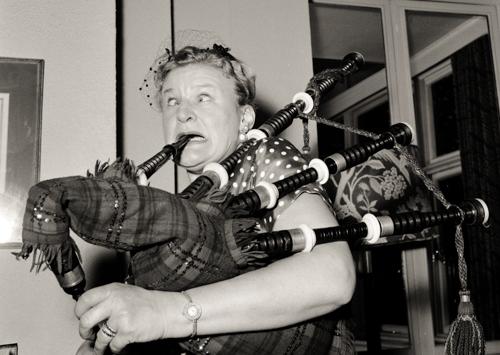
Anita O'Day discusses her career
May. 21, 1975 Studs Terkel interviews jazz musician Anita O'Day.
-
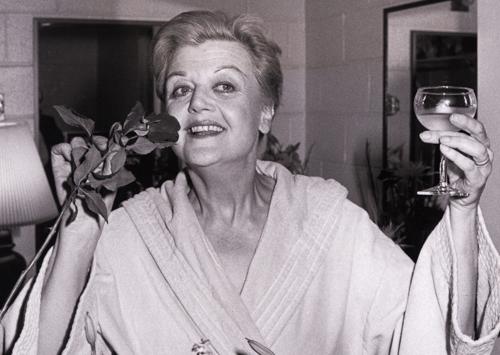
Angela Lansbury discusses her work on "Sweeny Todd"
Feb. 19, 1981 Angela Lansbury, actress and singer, talks about her work on the play, "Sweeny Todd." Lansbury also talks about her early career, work on Mame, and her family.
-
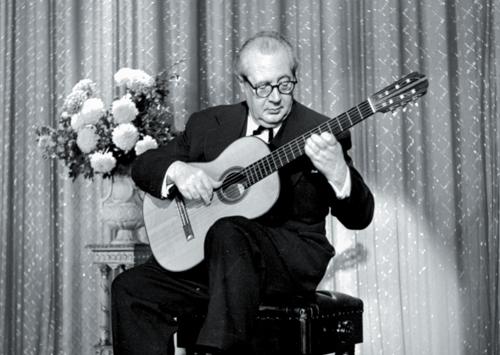
Andres Segovia discusses his life and career as a classical guitarist
Feb. 2, 1978 Studs interview with Andres Segovia about his life in Grenada and how he came to play the guitar as an orchestra instrument. Segovia speaks to the history of the guitar and other instruments as classical musical instruments. They discuss Segovia's choice of instrument, how he gives back to his genre, how he stays vibrant at his age, and how he and his audiences relate. Segovia explains his desires for the guitar in the philharmonic world. Studs notes how Segovia has had to teach composers how to write for guitars.
-
American Conservatory Theater actors talk with Studs Terkel ; part 1
1967 Terkel interviews actors from the American Conservatory Theater: Richard A. Dysart, Robin Gammell, Rene Auberjonois, Janis Young, and William Ball. This is an interview done in two parts.
-
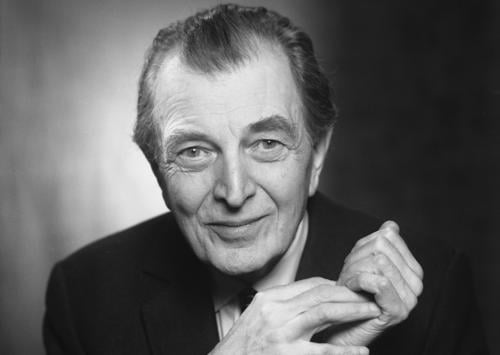
Alexander Tcherepnin discusses his childhood and career as a composer
Mar. 8, 1977 Studs interview with Alexander Tcherepnin about his compositions for opera and a variety of instrumentals. Tcherepnin shares his childhood in Saint Petersburg born into a family with a rich musical background. He also shares his opinion about how Hitler affected the opera in Europe. This edited version does not include the musical recordings played in the original version.
-
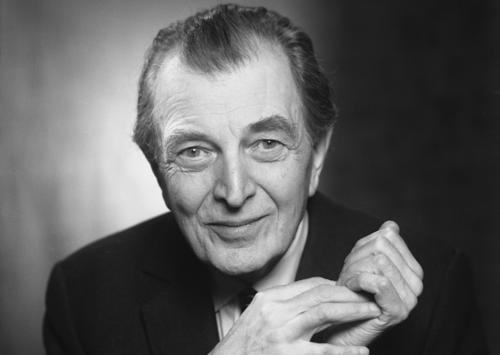
Alexander Tcherepnin discusses his career
Nov. 10, 1959 Russian composer Alexander Tcherepnin discusses his early upbringing, training, and composing bagatelles in Saint Petersburg, as well as the influence of his composer father, Benois family relatives, Russian/Asian/European cultural influence, electronic music.
-
Alan Stone, Steven Larson and Judith Erickson, members of the Chicago Opera Theater, discuss the opera "Regina"
Mar. 29, 1982 Studs interviews Alan Stone, Steven Larson, and Judith Erickson about the opera, "Regina," playing at the Chicago Opera Theater. They describe the variety of music and dances in the opera. Stone, Larson, and Erickson name the cast and their roles and describe the characters. Each share how they came to be in theater. Stone explains how the company started. Larson describes the orchestra and the chorus. Erickson reads some of the lyrics of the aria, "The Best Thing of All," at the end of act one. Stone, Larson, and Erickson read various lines from the opera.
-
Adam Makowicz discusses his career
Jan. 18, 1982 This is an interview with Adam Makowicz (Polish musician) in which he talks about the formation of his music career on jazz.