Listen to New Voices on Studs Terkel our partnership with 826CHI-here! Read the Story


Showing 61 - 75 of 302 results
-

Raymond T. Exum and Marguerite Klimkowski discuss the merits of the Equal Rights Amendment
Nov. 22, 1978 Rev. Raymond Exum and Marguerite Klimkowski discuss the merits of the Equal Rights Amendment by comparing the 14th amendment, reviewing other federal and state laws, and considering gender based discrimination.
-
Priscilla McDougall and Teri Teper discuss names and the Center for Woman's Own Name.
Feb. 17, 1975 Reasons why a woman would want to change her last name are discussed with Priscilla McDougall and Teri Teper. Establising a professional identity and establishing one's own line of credit are among some reasons. The ladies also explain that a woman is not rejecting a name but rather choosing her own identity.*Please note: some sections have been edited out from the original recording due to copyright considerations
-
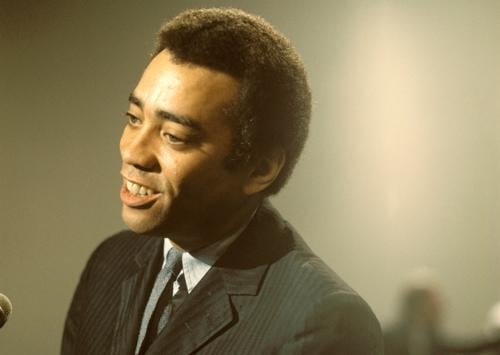
Presenting music with Oscar Brown, Jr
Jun. 6, 1977 Music performance by Oscar Brown, Jr.
-
Presenting a performance of the one-man play "Presenting Mr. Frederick Douglass," with actor Fred Morsell
Feb. 3, 1995 Terkel comments and presents a performance by Fred Morsell
-
Phyl Garland discusses her book "Sound of Soul" and the history of black music in America ; part 2
Nov. 25, 1968 Studs interviews Phyl Garland about her book "Sound of Soul." They discuss various musicians that she mentions in her book and their influence on black music. Garland explains the music of young black artists and how commercialization of music gave blacks an opportunity that they would not have had otherwise. Garland talks about how Fannie Lou Hamer used music to express her message in the Civil Rights Movement and as a women's rights activist. Studs and Garland discuss various black female artists and their music.
-
Petra Karin Kelly, Gert Bastian in conversation with Studs Terkel
Jan. 19, 1985 Interviewing peace activist and founder of the West German Green Party, Petra Kelly, and Gert Bastian (program 2 of 2).
-
Petra Karin Kelly, Gert Bastian in conversation with Studs Terkel
Jan. 19, 1985 Interviewing peace activist and founder of the West German Green Party, Petra Kelly, and Gert Bastian (program 1 of 2).
-

Paul Wellstone reads from and discusses his book "Powerline"
Aug. 17, 1981 Farmer Jim Nelson from Minnesota was the impetus of Paul Wellstone's book, "Powerline: The First Battle of America's Energy War". Topics of the book include U.S. energy policy, civil disobedience, corporate power, the role of American family farmers in the democratic process, and the possible dangers of electric power lines.
-
Paul Watson discusses his book "Sea Shepherd: My Fight for Whales and Seals"
Jan. 22, 1982 In not saving the whales, there are no healthy oceans, and we, as humans, doom ourselves. Paul Watson expands on this in an interview about his book "Sea Shepherd: My Fight for Whales and Seals."*Please note: some sections have been edited out from the original recording due to copyright considerations
-
Patricia O'Brien, Nieman Fellow, discusses her book, "The Woman Alone" and the women's movement strike
Jul. 6, 1973 Studs interview with Patricia O'Brien about her book, "The Woman Alone" and a large variety of issues of the women's movement. Studs includes parts of interviews he did with a middle-aged man and woman on the day of the women's strike. He also included an excerpt from his interview with Peggy Terry. O'Brien reads excerpts from her book including a poem by May Sarton. Studs quotes Jane Howard, Jane Kennedy, and the wife of Senator Birch Bayh.
-
Pat Duncan discusses Apartheid and South Africa ; part 1
1963 South African anti-apartheid activist Pat Duncan discusses Apartheid and South Africa, part 1.
-
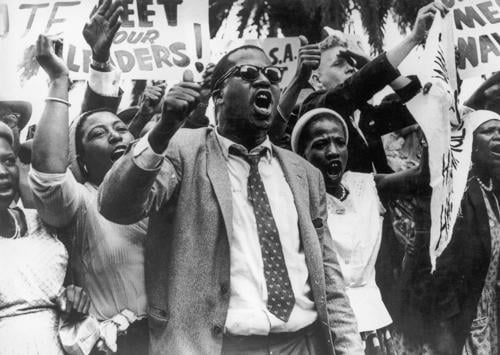
Pat Duncan and Deborah Cowan discusses Apartheid and South Africa ; part 2
1963 Pat Duncan and Deborah Cowan discusses Apartheid and South Africa, part 2. Duncan's portion of the program concludes at 00:14:20, and the rest of the program features Cowan.
-
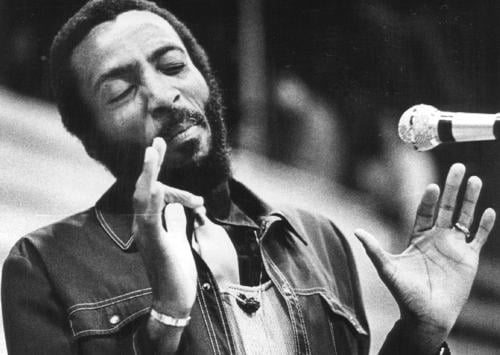
Panel at University of Chicago Law School discuss ending capital punishment, part 3
Feb. 19, 1965 Dick Gregory satirizes capital punishment in the United States, calls for the churches to take action, and talks about potential actions from "demonstrators." Other panel members answer audience questions (Father James Jones, Norval Morris, Hans W. Mattick, and Arthur Wineberg). Hosted by the University of Chicago. (Part 3 of 3)
-
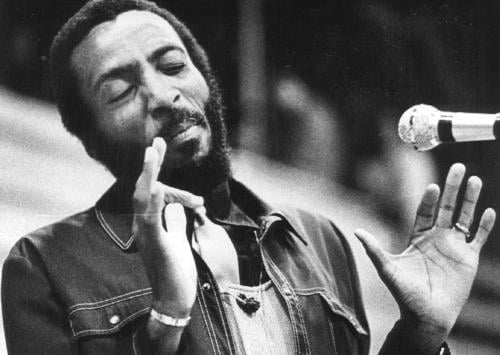
Panel at University of Chicago Law School discuss ending capital punishment, part 2
Feb. 19, 1965 A panel at University of Chicago Law School discuss ending capital punishment (tapes A and B) and with Dick Gregory (tape C). Includes presentations by Father James G. Jones and Norval Morris. (Part 2 of 3)
-
P. David Finks discusses his book "The Radical Vision of Saul Alinsky"
Sep. 7, 1984 Before he became an author, P. David Finks was a priest and he met Saul Alinsky in Rochester in 1964. Finks' book, "The Radical Vision of Saul Alinsky," covers Alinsky's plans of reorganizing community groups and being an outsider agitator. Alinsky, explained Finks, knew the importance of getting people involved. Two excerpts of interviews with Saul Alinsky are included.