Listen to New Voices on Studs Terkel our partnership with 826CHI-here! Read the Story


Showing 796 - 810 of 5186 results
-

Riane Eisler discusses her book "The Chalice and the Blade: Our History, Our Future"
Mar. 3, 1988 Riane Eisler, anthropologist and historian, discusses the history of gender roles, religious influences, and cultural mythology.
-
Reverend William Bell Glenesk discusses his ministry
Becoming a preacher was the last thing Reverend William Bell Glenesk ever had in mind. Glenesk found ministers and their sermons to be long and boring. The church, Glenesk said is very much like theatre and he wanted people to attend church or the gymnasium of God and to be a part of lots of music and dance.
-
Reverend Theo Kotze and Helen Kotze discuss South Africa
Sep. 21, 1980 Reverend Theo Kotze and Helen Kotze discuss race relations, religion, and their lives in South Africa. Includes an interview with Albert Luthuli. Includes a 35 second testing tone.
-
Reverend Grant Gallup discusses his time spent in Nicaragua
Jan. 13, 1992 Even though unemployment is at 60% in Nicaraqua, and the people are very poor, Father Grant Gallup would rather live in Manaqua, Nicaraqua than in the United States. Gallup explained there are 600,000 shacks in Nicaraqua. In the US, police tear down shacks that the homeless build. According to Gallup, the press is freer in Nicaraqua as opposed to self-serving in the United States.
-
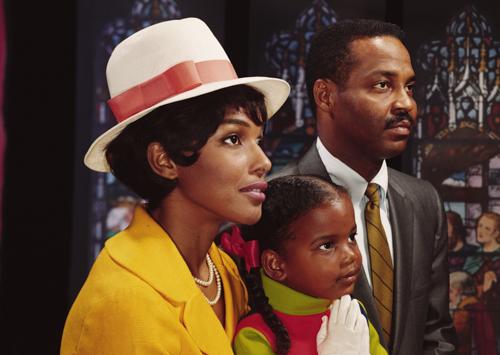
Reverend Albert B. Cleage, Jr. discusses his book "the Black Messiah"
1967 Discussing the book "the Black Messiah" with the author Reverend Albert B. Cleage, Jr. He discusses the African American church and theology. He also discusses broader topics such as civil rights and African American history. Includes a clip of an interview with a woman named Mrs. Alexander at the beginning. Includes a clip of the song "Beulah Land" sung by the Georgia Sea Island Singers.
-
Rev. Will D. Campbell in conversation with Studs Terkel
Feb. 1, 1978 The Southern Baptist minister and civil rights activist joins Studs to talk about his book, Brother to a Dragonfly, and to reflect on the loss of his brother Joe.*Please note: some sections have been edited out from the original recording due to copyright considerations
-
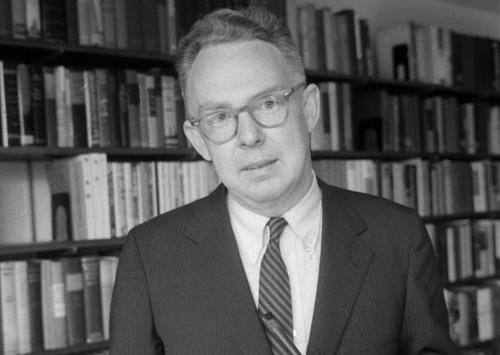
Rev. W. Alvin Pitcher and Dr. Richard Wade discuss race relations, civil rights, and socio-economic differences
Aug. 23, 1965 Reverend W. Alvin Pitcher and Dr. Richard Wade discuss how violence and civil disobedience intertwine with civil rights, economic differences, and the importance of education.
-
Rev. George Morey and Jim Osborne continue their discussion with Studs Terkel about the War on Poverty; part 2
Jul. 29, 1966 Interview with Rev. Georg Morey and Jim Lee Osborne. They discuss Jim's work and involvement with the War on Poverty and the reason the Chicago Commission fired him after the War on Poverty conference in Washington, DC.
-
Rev. George Morey and Jim Lee Osborne discuss life in the Appalachas compared to life in Chicago; part 1
Jul. 29, 1966 Interview with Rev. George Morey and Jim Lee Osborne. They discuss southern country living and compare it to urban life and stereotypes. Studs reads a short excerpt from an article written by Mike Royko, columnist from the Chicago Tribune, who also interviewed Jim Lee Osborne. Also includes a short excerpt from an interview with Billy Jo Gatewood, another Appalachian transplant to Chicago.
-
-
Rev. Arthur C. Bryant discusses his works and his congregation
Jul. 16, 1974 Rev. Arthur C. Bryant talks about changing the conditions of the modern farm worker because they work in dehumanizing conditions. Bryant also discusses the charges against him - the neglect of duty and the inability to conduct pastoral office duties.*Please note: some sections have been edited out from the original recording due to copyright considerations
-
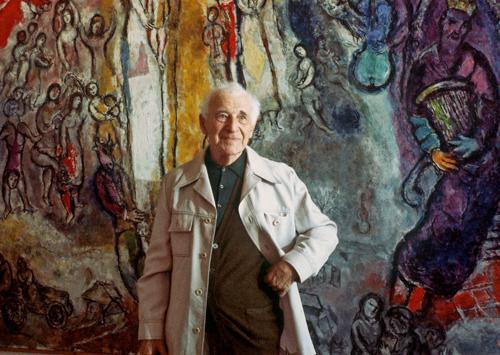
Representatives discuss the Center for Human Understanding ; part 2
May. 5, 1963 Representatives discuss the Center for Human Understanding (part 2 of 2). Center for Human Understanding conference in Washington D.C. Includes interview with [Raghav Heer]. Interviews [Chaumont Hosie]. Note: lengthy interviews in French (translated).
-
Reporter and author John L. Spivak talks with Studs Terkel ; part 1
1967 Studs and Spivak talk all things labor: unions, strikes, and spies. Spivak's work reporting on Fascism and Socialism is also discussed.
-
Reporter and author John L. Spivak talks about his autobiography with Studs Terkel ; part 2
1967 Several aspects of Spivak's career are discussed in detail, including his exposure of chain gangs, a Depression-era Communist forgery, investigating the anti-Nazi underground in Germany and how to exploit the insecurities of vigilantes.
-
Renny Golden, Michael McConnell and Peggy Hutchison discuss the book "Sanctuary"
Jun. 16, 1986 Eye witness testimonies of rape, torture, abductions and murder are all included in "Sanctuary: The New Underground Railroad". Renny Golden, Michael McConnell and Peggy Hutchison all work with Sanctuary groups because of the hardships brought onto the refugees.