

-

-
-
Harry Jackson discusses his bronze cowboy sculptures
Mar. 19, 1981 Harry Jackson discusses his career as a singer, painter, and sculptor and the inspiration he took from fellow contemporaries and Italian sculpture. Between 10:00 and 11:00, Jackson remarks that Mary Wright "from the south fork of the Shoshone River" is in the studio with them.
-
Harry Edwards discusses the sociology of sports
May. 12, 1983 In his class, Edwards points out that the chances of becoming the next Kareem Abdul-Jabbar or Michael Jordan are extremely rare. According to Edwards, collegiate sports players spend 55 to 60 hours a week playing their sport, leaving little or no time for book learning. For many, after training and competing for four years, they're not able to secure good jobs because they didn't have time for studying while at the college.*Please note: some sections have been edited out from the original recording due to copyright considerations
-
Harry Chapin discusses his career as a writer and singer and reflects on the stories behind his music
Mar. 31, 1975 Studs interviews Harry Chapin about his music and career. They discuss Chapin’s style of writing songs. Chapin describes some of his songs such as “Cats In the Cradle,” “Sniper,” “WOLD,” and “Mr. Tanner.” He stresses that his songs tell stories and often are influenced by real-life events. For example, “30,000 Bananas Pounds of Bananas” came from a trip he took on a Greyhound bus through Pennsylvania where there was a truck accident.
-
Harry Belafonte discusses jazz and folk music ; part 2
Jan. 6, 1955 The conversation continues with Belafonte talking about his album, "Belafonte Sings of the Caribbean". The songs, explained Belafonte, were both reflections of his childhood and things he was exposed to as an adult. Belafonte believed both Louis Armstrong and Jack Teagarden played important roles in jazz music.
-
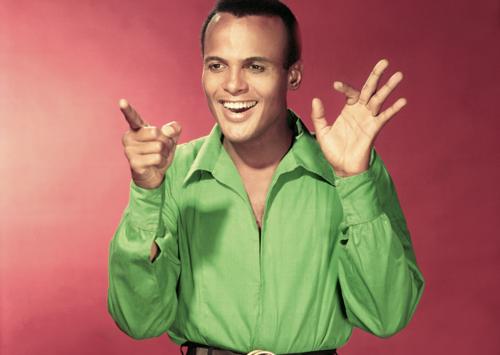
Harry Belafonte discusses jazz and folk music ; part 1
Jan. 6, 1955 Singer Harry Belafonte discusses Black music including spirituals and jazz and how it has contributed to American culture.
-
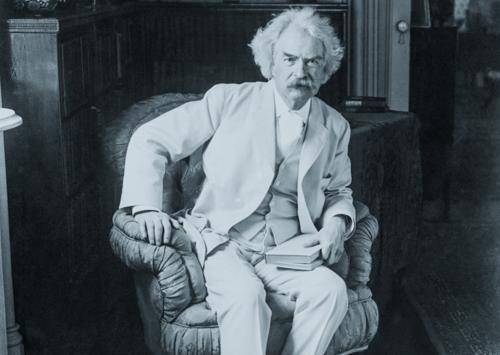
Harry Barnard discusses life as a teacher, writer and biographer
1967 Mr Barnard discusses being a writer and biographer. He strongly discusses the theory, What is literature? and states, "If the work(writing) enriches the person reading and causes deep thought it is literature." He is working, at the time of broadcast, on the papers, notes manuscripts of Upton Sinclair preparing to . He was also writer in residence at Roosevelt University at the time of broadcast.
-
Harrison Salisbury discusses the book "The New Emperors: China in the Era of Mao and Deng", and his time in China
Mar. 31, 1992 American author, journalist, and one time New York Times correspondent in Moscow, Harrison Salisbury, discusses his book "The New Emperors: China in the Era of Mao and Deng" They discuss the politics of China and Mr Harrison shares stories of the politicians, and Chinese people he spent time with. Studs shares an excerpt of an interview with physician George Hatem regarding China and her people. The interview closes with; "Che lai" performed by Paul Robeson
-
Harrison Salisbury discusses his views on the constantly changing world of Russia ; part 2
Jun. 8, 1962 Salisbury continues talking about the artists like writers, musicians and dancers being national assets to Russia. In a country with its history of tyranny, Russian society is becoming more permissive and relaxed, explained Salisbury. Khrushchev keeps the peace right now, says Salisbury but wonders, like the title of a new book he's working on, is this "A New Russia?".
-
Harrison Salisbury discusses his views on the constantly changing world of Russia ; part 1
Jun. 8, 1962 Being a correspondent for the New York Times in Moscow gave others the chance to see Russia through Harrison Salisbury's reporting. Inside their country, the people, says Salisbury, they have started to loosen up and they have started to talk to one another. The freedoms of the arts have come back, too.
-
Harrison Salisbury discusses his book "The Long March"
Oct. 15, 1985 "The Long March: The Untold Story" is a piece of history that took place but wasn't reported by anyone until Harrison Salisbury wrote his book. Salisbury was 75 when he returned to China to talk to people who marched back in October of 1934. Most of the boys and some girls who went on the 6,000 mile/march were peasants.
-
Harrison Salisbury discusses his book "The 900 Days: The Siege Of Leningrad" and Isabella Zorina discusses a trip to mass graves
Jul. 1, 1982 Harrison Salisbury discusses his book “The 900 Days: The Siege Of Leningrad” and the lasting impact of the siege on the Soviet Union and life in Leningrad during the siege. Salisbury reads a poem by Olga Bergholz.Isabella Zorina discusses a trip to mass graves, including the many young people who were also visiting, some as part of wedding ceremonies, and the music played at the graves. Terkel plays Beethoven's Symphony No. 3, conducted by Leonard Bernstein, at the end of the program.
-
-