Listen to New Voices on Studs Terkel our partnership with 826CHI-here! Read the Story


-

John Keyes in conversation with Studs Terkel
Jan. 23, 1990 Discussing the Regal Theater with actor and theater historian John Keyes.
-
John Kenneth Galbraith in conversation with Studs Terkel
1980 Interviewing author and economist John Kenneth Galbraith.
-
John Kenneth Galbraith in conversation with Studs Terkel
Oct. 17, 1983 Discussing the book "The Anatomy of Power" (published by Houghton Mifflin) with the author, economist John Kenneth Galbraith.
-
John Kenneth Galbraith in conversation with Studs Terkel
Dec. 28, 1987 Focus of the interview is Galbraith's book Economics in Perspective: A Critical History.
-
John Kenneth Galbraith in conversation with Studs Terkel
Apr. 1, 1992 Discussing the book "The Culture of Contentment" (published by Houghton Mifflin) with the author, economist John Kenneth Galbraith. This program is a dub from a master cassette.
-
John Kenneth Galbraith discusses his book, "The Age of Uncertainty"
Apr. 8, 1977 John Kenneth Galbraith, economist and diplomat, discusses his book, "The Age of Uncertainty," which was being made into a PBS documentary. Galbraith talks about some of the most well-known economists and explains their writings. He explains how many of their ideas have long lasting effects on capitalism the US has today.
-
John Kenneth Galbraith and Stanislav Menshikov discuss their book "Capitalism, Communism and Coexistence"
May. 24, 1988 Discussing the book "Capitalism, Communism, and Coexistence: From the Bitter Past to a Better Prospect" (published by Houghton Mifflin) with the authors, economists John Kenneth Galbraith and Stanislav Menshikov.
-
John Jacob Niles talks with Studs Terkel
Nov. 13, 1964 The American folksinger and archivist joins Studs in the studio to share stories and songs discovered in his youth and through his years of research.*Please note: some sections have been edited out from the original recording due to copyright considerations
-
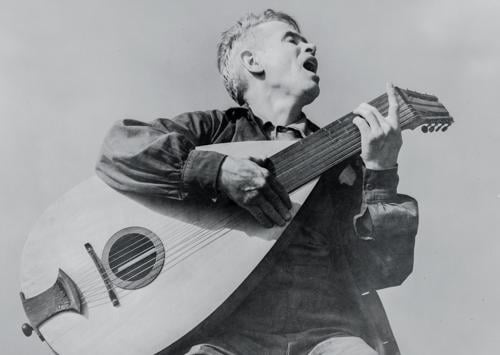
John Jacob Niles discusses his music
May. 10, 1957 The dulcimer is not only a musical instrument that John Jacob Niles plays, but he builds them too. Playing some scales, Niles gives a brief demonstration of the dulcimer, Niles explained people often requested he play his love songs. Niles believed love is something that is easily relatable to many people.
-
John Hope Franklin discusses racial inequality in America
Mar. 15, 1979 John Hope Franklin, historian, discusses his life and the racial inequality he witnessed. He also talks about John Hope and W. E. B. Du Bois. Dr. Franklin also talks about his Jefferson Lectures, Thomas Jefferson, and slavery.
-
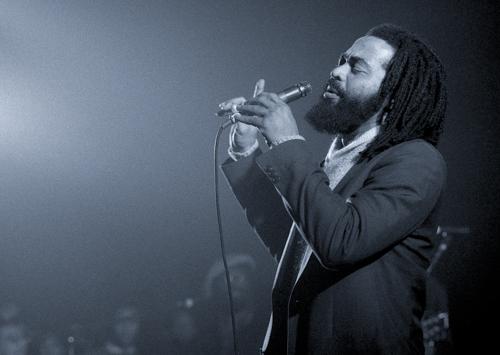
John Holt discusses his book "Never Too Late: My Musical Life Story"
Nov. 17, 1978 Interviewing John Holt about education.
-
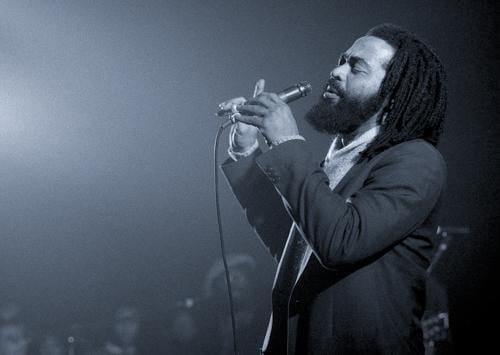
John Holt discusses his book "Escape from Childhood"
Jul. 11, 1974 Discussing education and interviewing John Holt.
-
John Hirsch discusses his production of "Hamlet"
Jan. 1, 1969 Director John Hirsch discusses and analyzes his interpretation of Shakespeare’s “Hamlet” with Studs Terkel during a party for the Stratford Theater Company. Hirsch calls “Hamlet” a pessimistic play, commenting on Shakespeare’s depiction of society and the nature of the characters. He also says that the play’s complexities allow for several interpretations and understandings of the work, which contributes to his bare and simple production of Hamlet. The two discuss Hirsch’s production of “Mother Courage” and how current events and personal experiences influence Hirsch’s work.
-
John Henry Faulk talks with Studs Terkel
Oct. 8, 1975 The American radio host discusses his part in the popularization of folk music, the fight against the blacklisting of the 1950s, and the corporatization of media outlets.*Please note: some sections have been edited out from the original recording due to copyright considerations
-