Main navigation

  • Home
  • Explore
  • Interact
      • Clips Explore themed playlists of audio clips from the Archive.
      • Reuse Listen to creative reuses of Studs’ interviews.
      • Remix Combine audio from the Archive to create entirely new works.
  • Podcast
  • Classroom
  • Donate

00 / 00

Authors/Writers

  • Lt. Col Anthony Herbert talks with Studs Terkel ; part 1

    1970
  • Oliver W. Sacks discusses deaf experiences as detailed in his book "Seeing Voices"

    Oct. 26, 1990
  • Arthur Miller discusses working in China

    Jan. 22, 1984
  • Terkel comments and Ronald Blythe reads Report from an English village ; part 2

    Sep. 19, 1986
  • William Least Heat-Moon discusses his book "PrairyErth: (A Deep Map)"

    Nov. 5, 1992
  • Madeleine L'Engle discusses her novel "A Severed Wasp"

    Jan. 30, 1983
  • Carlos Fuentes discusses his books "Burnt Water" and "Distant Relations"

    Jun. 6, 1982
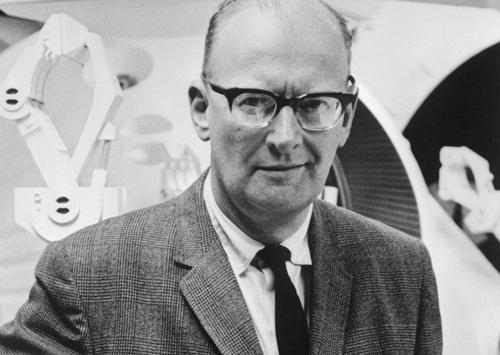
  • Arthur Charles Clarke

    Arthur Charles Clarke discusses science fiction

    Jan. 27, 1959
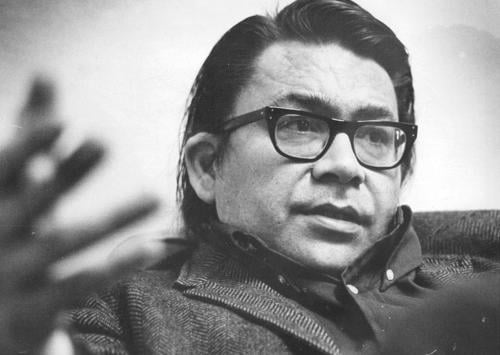
  • Vine Deloria

    Vine Deloria discusses his book "The Metaphysics of Modern Existence"

    Oct. 12, 1979
  • William Gibson discusses writing plays

    1969
  • Peggy Nelson, Arnaud d'Usseau, and Olivier Bernier

    1962
  • Tennessee Williams talks with Studs Terkel

    Dec. 1961
‹‹
of 150
››
Major Support Provided By
The Becca Kopf Memorial Circle of Friends
WFMT Radio Network & Chicago History Museum

This site is being managed by WFMT in partnership with the Chicago History Museum.

Library of Congress

In-kind digitization services of the Studs Terkel Radio Archive are provided by the Library of Congress.

National Endowment for the Humanities

The Studs Terkel Radio Archive has been made possible in part by a major grant from the National Endowment for the Humanities: Exploring the human endeavor.

Studs Terkel Radio Archive

All Programs About The Archive About Studs Supporters Contact

©2026 WFMT Radio Network | Site by Jell Creative

Any views, findings, conclusions, or recommendations expressed in this web resource do not necessarily represent those of the National Endowment for the Humanities.