

-

Anders Bodelsen discusses the Danish and their outlook on life
Oct. 1, 1968 Anders Bodelsen discusses the differences between the different Scandanavian cultures and one of his literary rolemodels Patricia Highsmith.
-
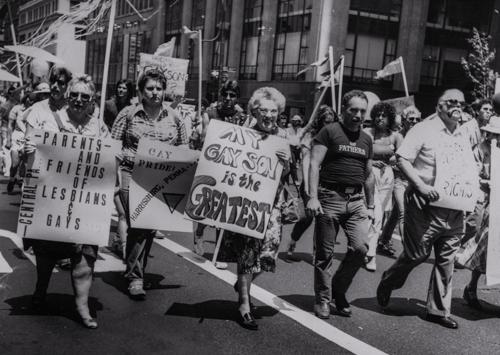
1982 Group members of Parents and Friends of Gays and Lesbians, talk with Studs Terkel
Feb. 10, 1982 Although the title of the group specifies gays lesbians are also included in this heartfelt, 1982, discussion with four parents who are active in Parents and Friends of Gays and how this group offers support to parents and children coming out. Discussions cross race and class boundaries on coming out and include issues of repercussions, acceptance, guilt, stigma, and how trust and love can offer a bridge to a larger understanding of sexual identity. Learn of the courage, self-knowledge, and self-acceptance required of both parents and children in the process of coming out.
-
Studs Terkel discusses "How I Won the War" with the film's creator, Richard Lester, in London, England
Studs Terkel and Richard Lester discuss the impact of "How I Won the War" on both audiences and critics. Insight is offered on the unjustness of even just wars like World War Two. The film offers insight into the mindless acceptance of death. Terkel then closes the show with his impressions of London during his stay that includes a mention of race, culture, nightlife, and sports.
-
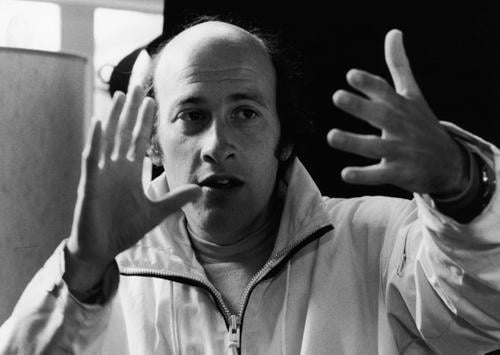
Dick Lester Impressions of London with Studs Terkel
Studs Terkel interviews film producer Dick Lester and receives Lester's impression of London.
-

Studs Terkel discusses the rugby match between England and Wales live from Twickenham Stadium, London, England
The England vs. Wales rugby rivalry is brought to life live from Twickenham Stadium by Studs Terkel. Surrounded by 65,000 fans, Studs Terkel with David Thomson interview fans during the pregame show offering the traditions and spirit of this passionate sport.
-
Kelly Swenson and kids discuss the Arts Lab Movement created by Jim Haynes ; part 1
The Arts Lab Movement was created by Jim Haynes in 182 Drury Lane, London. Studs Terkel interviews Kelly Swenson.
-
Kelly Swenson and kids discuss the Arts Lab Movement created by Jim Haynes ; part 2
The Arts Lab Movement was created by Jim Haynes in 182 Drury Lane, London. Studs Terkel interviews Kelly Swenson and the kids.
-
Joan Crawford, Robert Louis Shayn, Upper U Girl
Interviewing at the Salisbury Pub with the very "u" girl at the establishment (part 2) with a cleaning lady's reply to the "very 'u' girl" while Studs was in England.
-
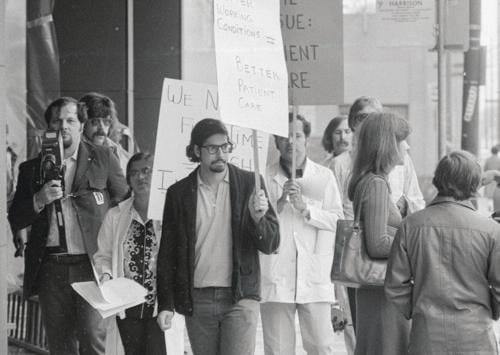
Studs Terkel interviews three Cook County Hospital doctors about their 1975 strike
Nov. 12, 1975 Studs interviews three Cook County Hospital doctors: Dr. Tessa Fischer Dr. Mark Bonnell Dr. David Moore Main topic of conversation is the 18-day residents and interns strike at Cook County Hospital, Chicago, October-November 1975. At the time it was the longest doctors’ strike in U.S. history. Topics include: Patient care, benefits and wages, and working conditions. The distinction is made between a "strike" and what the doctors call a "job action".
-
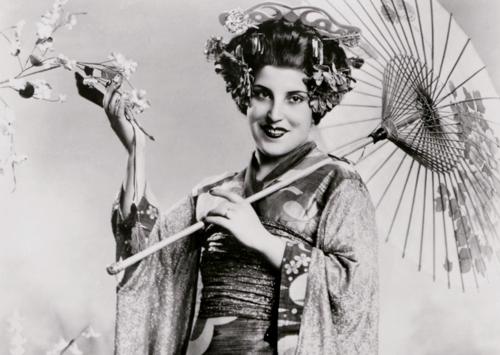
Licia Albanese discusses her opera performances
Feb. 27, 1960 Licia Albanese discusses her performance preparations, advice to young new opera singers, the conductor techniques from Fausto Cleva, and the late Arturo Toscanini.