

-
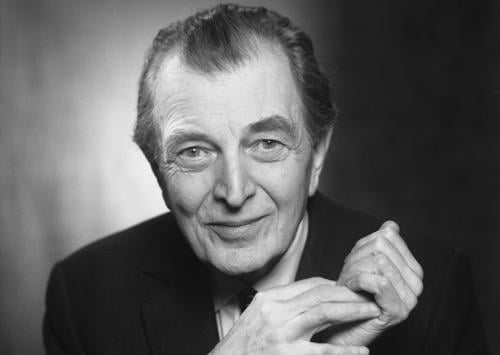
Alexander Tcherepnin discusses his career ; part 2
May. 21, 1962 Russian composer Alexander Tcherepnin discusses his travels to China & Japan and their influence on his music, composing for non-traditional instruments, electronic music, teaching young composers, and his "Concerto No. 2".
-
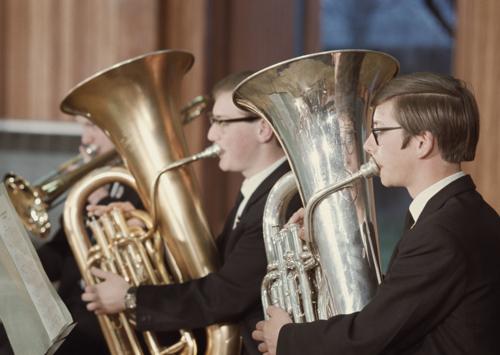
Presenting music and discussing the tuba with tubists Arnold Jacobs, Harvey Phillips, Fritz Kaenzig, and Richard Frazier
Feb. 20, 1987 Presenting music and discussing the tuba with tubists Arnold Jacobs, Harvey Phillips, Fritz Kaenzig, and Richard Frazier. This mixdown includes recorded and live music in the last three minutes.
-
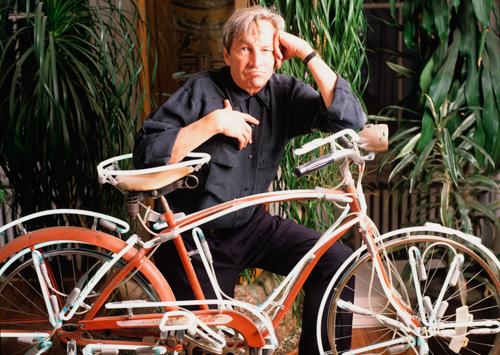
Mary Lynn Kotz discusses her book "Rauschenberg, Art and Life"
Oct. 29, 1991 In Mary Lynn Kotz's book, "Rauschenberg, Art and Life," Kotz recounts the works and story of 20th century art pioneer Robert Rauschenberg. They survey his career beginning in Port Arthur, TX, discussing his Depression-era upbringing which caused him to reuse and salvage virtually any object and transform it into art, his studies in Paris, made possible by the G.I.
-

Rita Streich discusses her upcoming recital and Studs plays selections ; part 2
Feb. 17, 1962 Studs Terkel interviews Rita Streich about her recital coming up. He also plays selections from her work for viewers to listen to. She also talks about music during World War II.
-
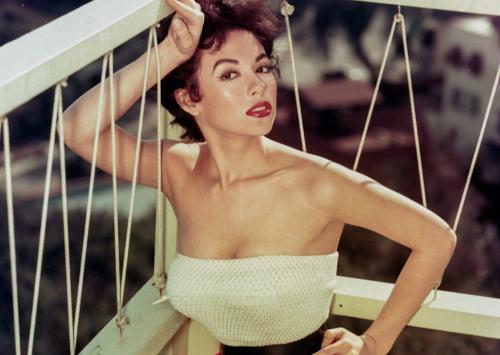
Rita Moreno discusses her role in West Side Story ; part 2
Jun. 13, 1962 Rita Moreno talks about her own Puerto Rican ethnicity and how it relates to her role as Anita in West Side Story.
-
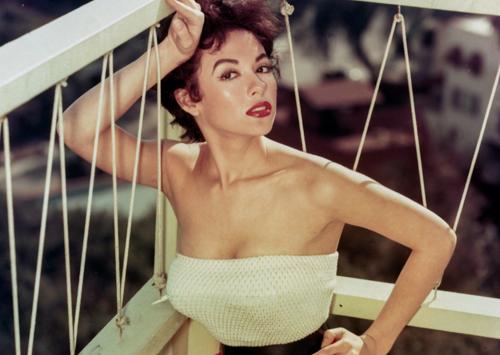
Rita Moreno discusses her role in West Side Story ; part 1
Jun. 13, 1962 Rita Moreno talks about her own Puerto Rican ethnicity and how it relates to her role as Anita in West Side Story.
-
Birgit Nilsson during her time playing Leonore in Fidelio at the Lyric Opera of Chicago ; part 2
Nov. 15, 1961 Studs Terkel interviews Birgit Nilsson about her role Leonore in Fidelio at the Lyric Opera. This is an inverview done in two parts.
-
Lotte Lehmann discusses her opera roles and how opera has changed
Apr. 18, 1960 Interviewing Madame Lotte Lehmann about her opera roles and how the genre of opera has changed.
-
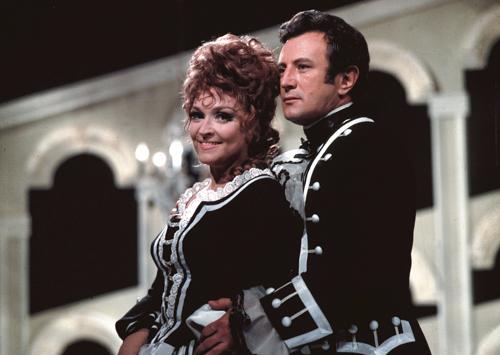
Teresa Stich-Randall talks with Studs Terkel ; part 2
Dec. 1, 1964 Studs Terkel interviews soprano Teresa Stich-Randall. This is an interview done in two parts.
-
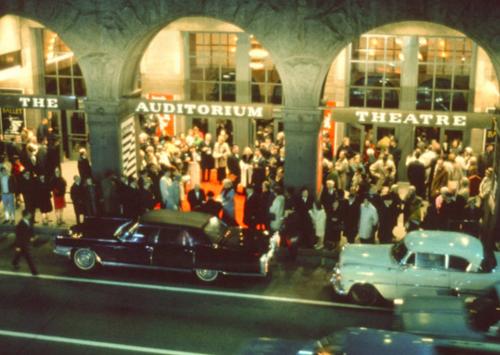
Studs Terkel discusses the Auditorium Theater with friends ; part 2
Jun. 1, 1967 Studs Terkel sits down with three guests who convey their memories of the Auditorium Theater in Chicago. Mary Garden, John Glickman and architect Harry Weese all agree that the theater's acoustics were extraordinary and there wasn't a bad seat in the house. Weese helped Chicago rediscover the Auditorium.